A Few Words from Archana Bhat
“The lines of the palm are like the main roads on a map. They help us find our way around the hand before we look at the smaller lanes and markings. In this conversation, I want readers to be able to look at their own palm and confidently say, ‘This is my heart line, this is my head line.’ Once you can identify them, the traditional meanings become much easier to understand.”
The Conversation
Question 1: Archana, what are the major lines found on our palms?
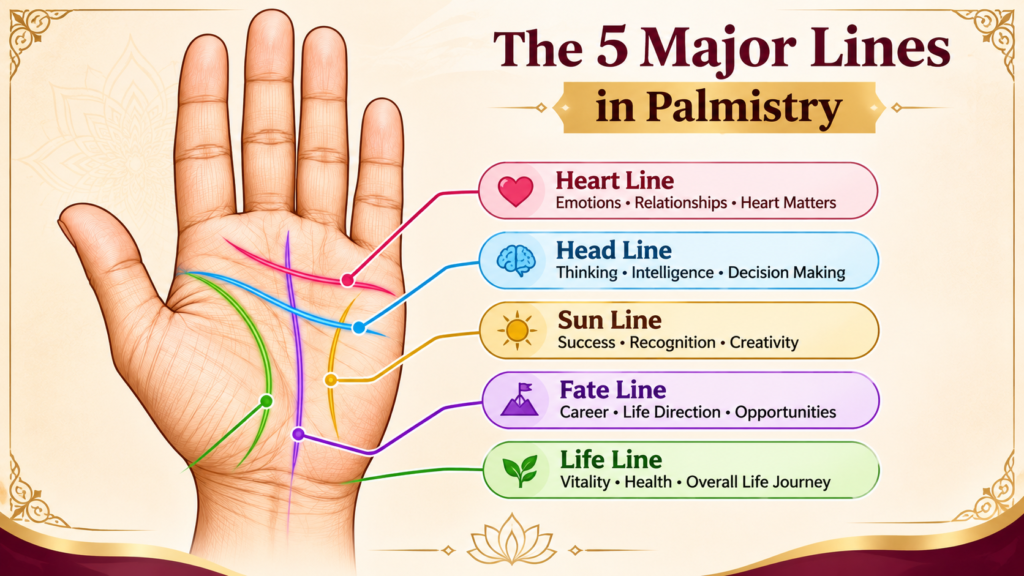
Archana Bhat: In traditional palmistry, five lines are usually discussed as the major lines: the heart line, the head line, the life line, the fate line and the sun line.
The first three, the heart, head and life lines, are found on almost every hand. They are sometimes called the “principal lines”. The fate line and the sun line are not present on everyone, or they may appear faint, short or broken.
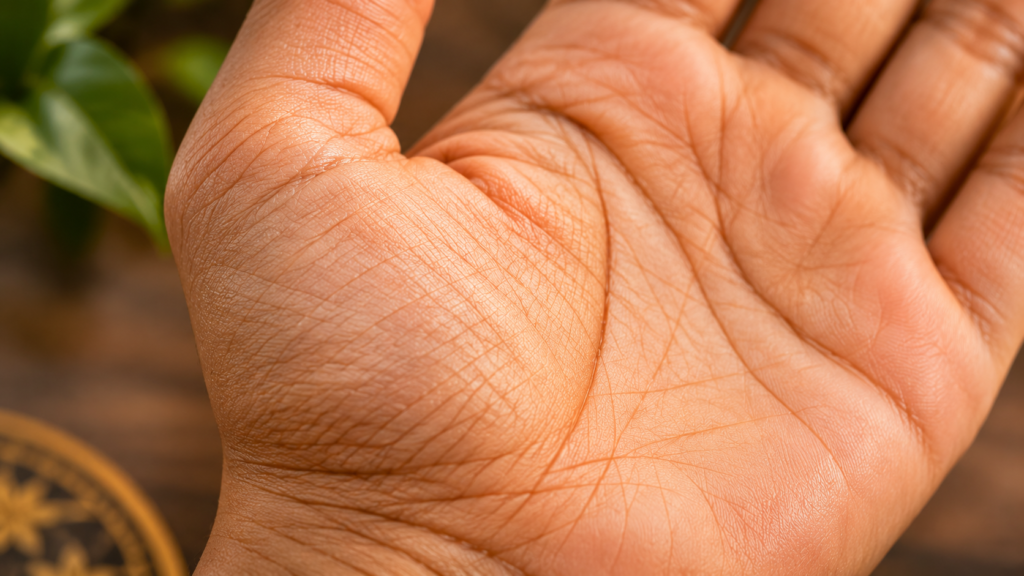
Here is a simple way to locate them with your palm facing you:
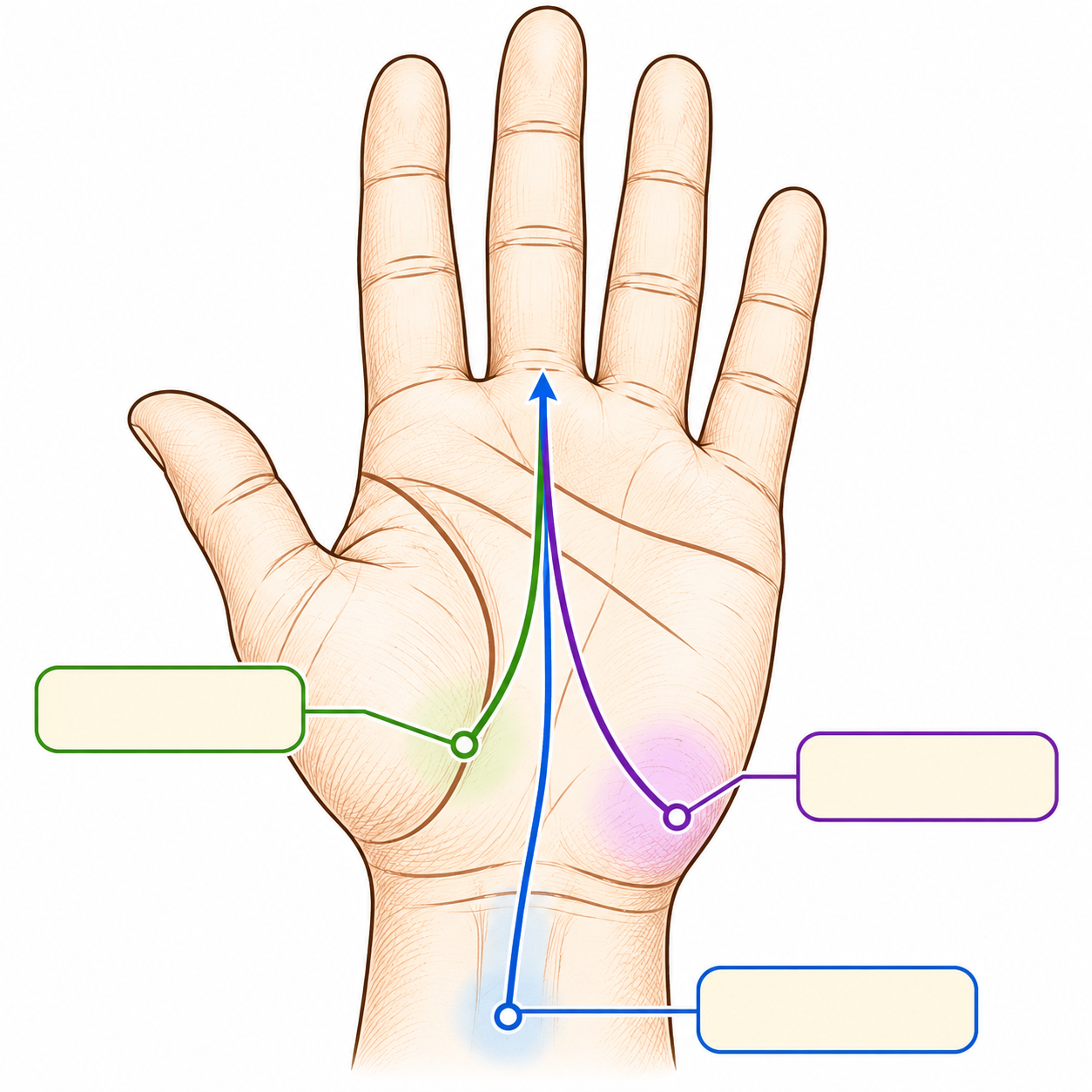
- Heart line: the upper horizontal line, running across the palm just below the fingers.
- Head line: the second horizontal line, just below the heart line, usually starting near the life line.
- Life line: the curved line that sweeps around the base of the thumb.
- Fate line: a vertical line running up the centre of the palm towards the middle finger.
- Sun line: a shorter vertical line running towards the ring finger.
Question 2: What does the heart line traditionally represent?
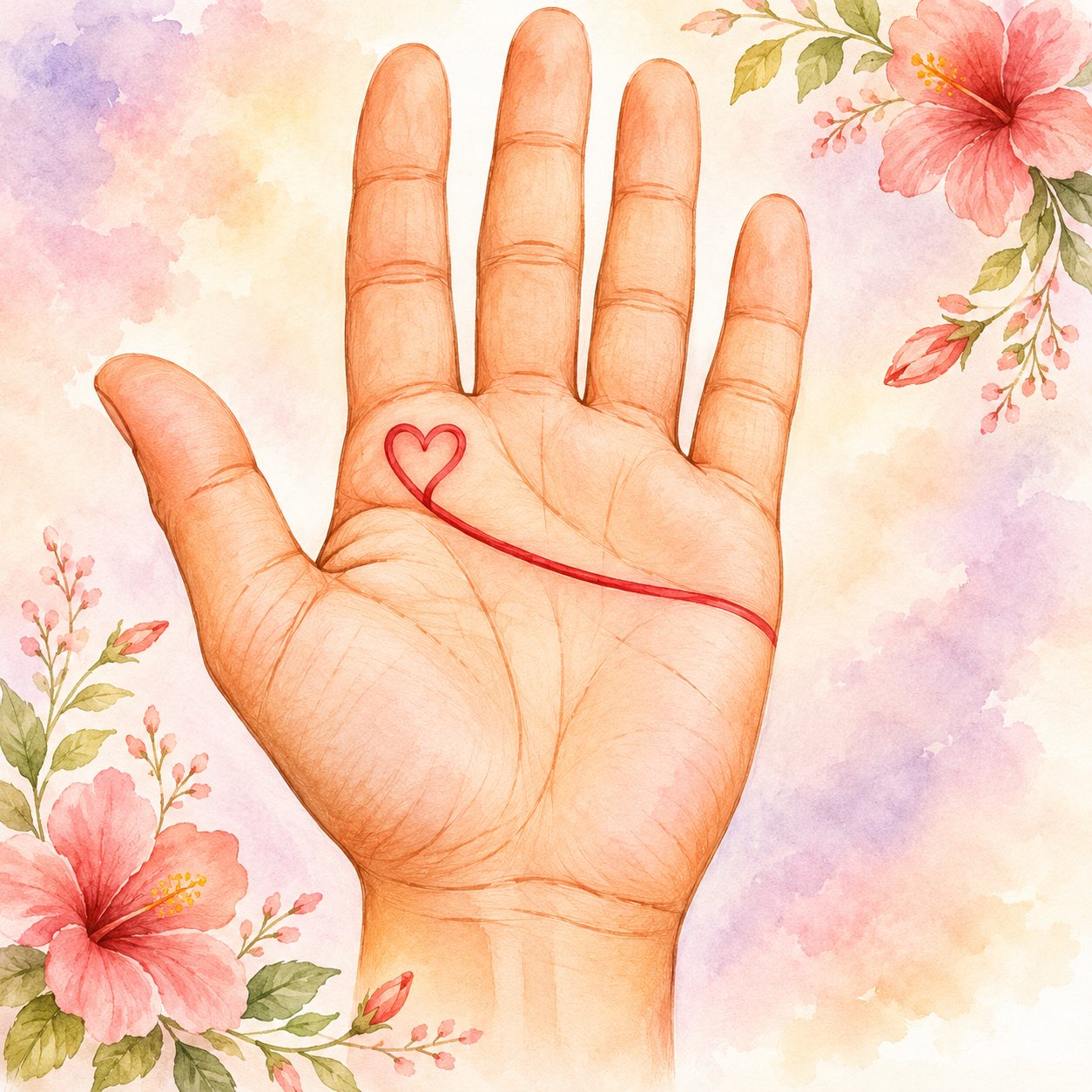
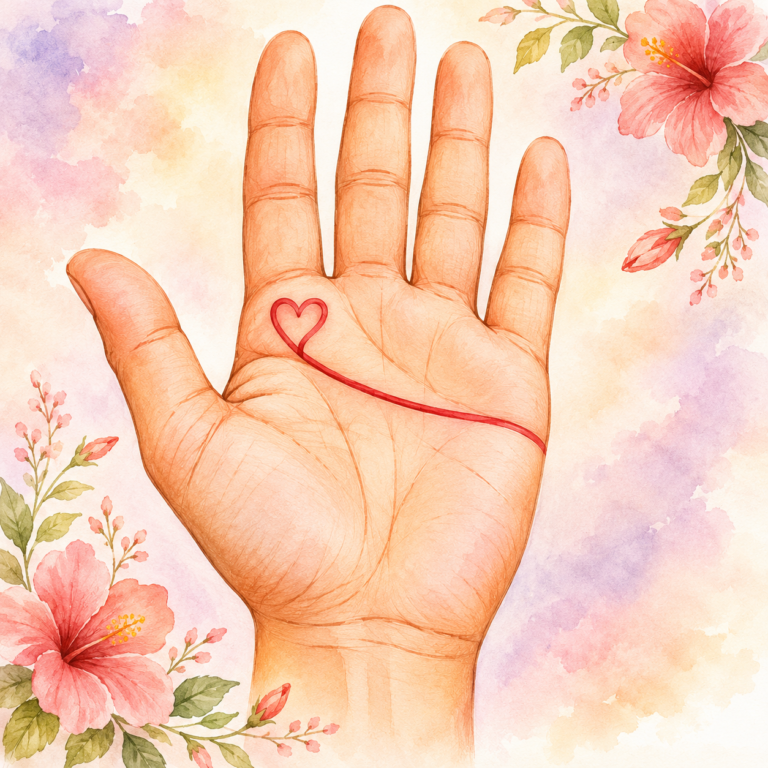
Archana Bhat: The heart line is traditionally associated with emotions, feelings and the way a person expresses affection. It runs across the top of the palm, starting from the edge below the little finger and moving towards the index or middle finger.
In traditional readings, a long and curved heart line is often described as belonging to someone who is warm and openly expressive. A straighter, shorter heart line is sometimes associated with a more private or practical emotional style.
Where the line ends is also considered. A heart line ending under the index finger is traditionally linked with idealism in relationships, while one ending under the middle finger may be described as more self-focused or reserved.
Question 3: What is the significance of the head line?
Archana Bhat: The head line is traditionally linked with thinking style, mental approach and the way a person processes information. It usually begins between the thumb and index finger and runs across the palm.
A long head line is often associated with thoroughness and careful thinking, while a shorter head line may be described as quick, direct and practical. A straight head line is traditionally linked with logical, structured thinking. A head line that slopes downwards towards the base of the palm is associated with imagination and creativity.
It is important to remember that a short head line does not mean a person is less intelligent. Traditional palmistry describes styles of thinking, not levels of intelligence.
Question 4: Why is the life line one of the most discussed lines?
Archana Bhat: The life line is probably the most talked-about line in palmistry, mostly because of a very common misunderstanding. Many people believe that the length of this line shows how long a person will live. That is not the traditional meaning, and there is no evidence to support such a claim.
The life line curves around the base of the thumb. Traditionally, it is associated with vitality, energy, enthusiasm for life and major life experiences or changes.
A deep, wide curve is often described as showing energy and an outgoing nature. A line that stays close to the thumb may be linked with a more cautious or reserved approach. A short life line simply means a short line. Please never let anyone frighten you about it.