Question 5: Can palmistry help people think about their strengths and challenges?
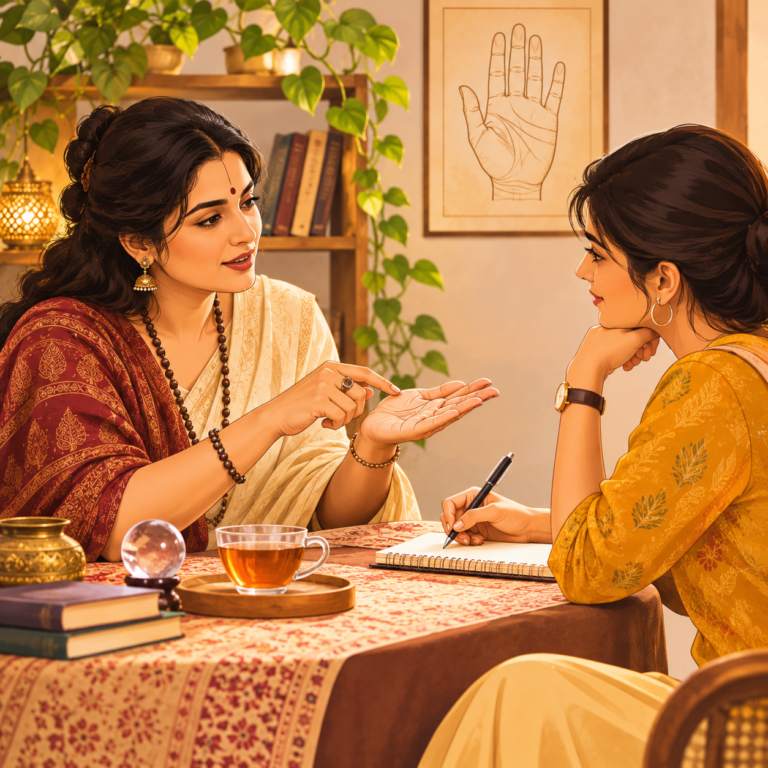
Archana Bhat: It can, in a reflective way. Traditional palmistry has a rich vocabulary for describing personality: ambition, discipline, creativity, communication, warmth, imagination, courage. Hearing these qualities described can help people put words to their own strengths and areas they might want to work on.
But it is important to keep the arrow pointing the right way. Your strengths are not real because your palm shows them; they are real because of what you do and who you are. Palmistry is simply one of many lenses, along with honest feedback from friends, personal experience and professional guidance, that may help you think about them.
Question 6: What are the most common misconceptions about palmistry?
Archana Bhat: There are several, and we have discussed many of them during this series. The most important ones are:
- That palmistry is a proven science. It is a traditional practice.
- That your future is fixed in your palm. Lines can change, and so can lives.
- That the life line shows how long you will live. It does not.
- That a single line or sign tells the whole story. Interpretations always depend on the whole hand.
- That “bad” signs need costly remedies. No line on your hand needs to be fixed.
Question 7: Can palmistry predict health, lifespan or financial outcomes scientifically?
Archana Bhat: No. There is no scientific evidence that palmistry can predict health conditions, how long someone will live or financial outcomes. I want to be completely clear on this point, because these are areas where false beliefs can cause real harm.
It is true that doctors sometimes notice certain physical features of the hands, such as nail changes or skin colour, as part of a medical examination. That is medicine, based on clinical knowledge and tests. It is not palmistry, and the two should never be confused.
For health, please see a qualified doctor. For money, speak to a qualified financial adviser. For legal matters, consult a lawyer. Palmistry has no place in these decisions.
Question 8: Should people make major life decisions based on palm readings?
Archana Bhat: No. Decisions about education, career, marriage, health, investments or moving to a new place deserve careful thought, real information and, where appropriate, professional advice. Basing them on palm readings can lead to missed opportunities, unnecessary fear or poor choices.
If you enjoy palmistry, let it be something that adds curiosity and reflection to your life. But keep it in its place. You are the author of your decisions, not the lines on your hand.
Question 9: Archana, what would you recommend to someone exploring palmistry for the first time?
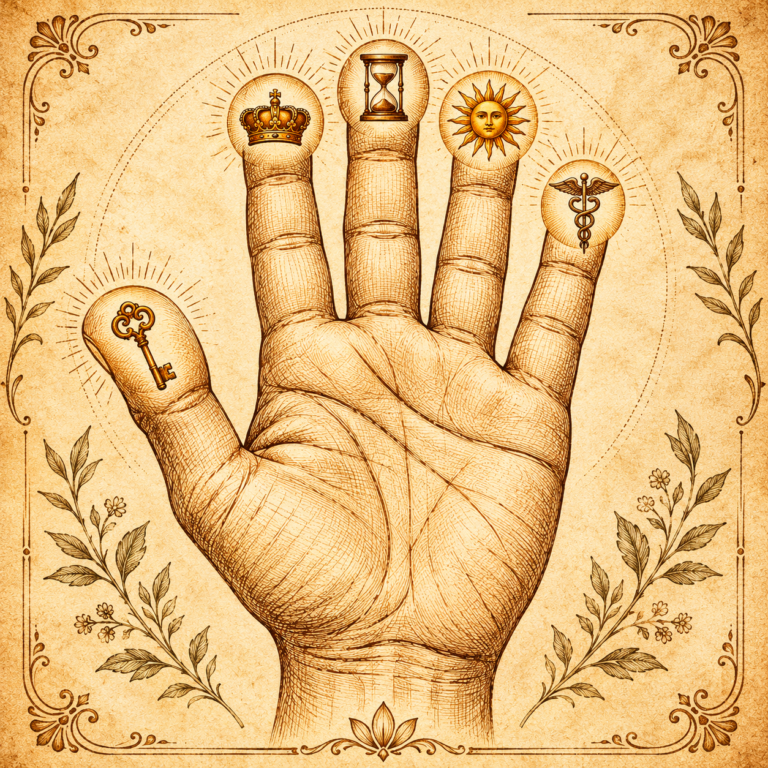
Archana Bhat: Start with curiosity and enjoy the learning. Begin with the basics: hand shape, the major lines, the mounts, the fingers and then special signs. Practise by observing your own hands and those of willing friends and family. Read from more than one source, and notice where traditions agree and differ.
Above all, stay balanced. Appreciate palmistry as a rich cultural tradition, use it as an invitation to reflect, and never let it replace your own judgement or professional advice. If you approach it this way, palmistry can be a fascinating and rewarding subject to explore.
Common Myths and Misconceptions
- “Palmistry decides your destiny.” Traditional interpretations describe tendencies, not fixed outcomes.
- “A palmist can diagnose illness.” Only qualified medical professionals can assess health.
- “Remedies can change your lines and luck.” There is no evidence that rituals or purchases change your future.
- “If a reading feels accurate, it must be true.” General descriptions can feel personal to many people, so reflect thoughtfully.
- “Palmistry is only superstition with no value.” As a cultural tradition and reflective exercise, it can still be meaningful when used responsibly.
Key Takeaways
- People are drawn to palmistry through curiosity, culture and the search for meaning.
- Its most positive use is as a prompt for self-reflection.
- Approach consultations with clear boundaries, and avoid fear-based predictions and costly remedies.
- Palmistry cannot scientifically predict health, lifespan or finances.
- Major life decisions should rest on careful thinking and professional advice.
A Closing Note from Archana
“Thank you for joining me in this series. My hope is that you now look at your hands with a little more curiosity and a little less fear. Palmistry is an old and beautiful tradition, and like all traditions, it is best enjoyed with an open mind and a wise heart. Discover yourself beyond the lines.”
About the Author
Archana Bhat is a palmistry expert who shares the traditional knowledge of hand reading in simple, accessible language for beginners and curious readers. Through “The Wisdom of Palmistry” series, she encourages readers to approach palmistry as a cultural tradition and a tool for self-reflection, never as a substitute for professional advice.
Consultations
Discover insights into your personality, strengths, relationships, career and life journey through personalised palmistry consultations.
Consultations Available In: Telugu, Hindi, Marathi & English.
🌍 Special Consultations for NRI Clients – Flexible appointment timings according to your country and time zone.
For Appointments & Enquiries:
📞 +91 8977118552
📞 +91 9082650679