Question 5: What if someone is naturally left-handed?
Archana Bhat: Then the left hand is their dominant hand, and it is read accordingly. Palmistry does not treat left-handed people any differently; it simply follows which hand is actively used.
Things become slightly more interesting with people who are ambidextrous, or who write with one hand but do most other tasks with the other. In such cases, a palmist will usually ask a few questions: Which hand do you write with? Which hand do you use to throw a ball, hold a cup or use a tool? The hand used for the most skilled, deliberate tasks is generally treated as dominant.
If you are unsure, simply read both hands carefully and compare them. That is good practice for everyone anyway.
Question 6: Should men and women follow different hand-reading approaches?
Archana Bhat: This is an old belief that you will still hear: “Read the right hand for men and the left hand for women.” Some older traditions did follow such a rule, and it still appears in certain regional practices.
However, most modern palmists base the choice on which hand is dominant, not on gender. That approach is simpler, more consistent and more respectful of the individual. A right-handed woman and a right-handed man would both have the right hand treated as dominant.
My suggestion for beginners is to follow the dominant-hand approach and to be aware that other traditions exist.
Question 7: Can changes in our lifestyle influence the appearance of our hands?
Archana Bhat: Yes, to some extent. Our hands are living, working parts of the body. Manual work can thicken the skin and make some creases deeper. Typing, playing an instrument, gardening or cooking can all leave their mark. Age, hydration, weather and skin conditions also affect how lines appear.
Traditional palmistry interprets changes in the hands, especially in the dominant hand, as reflecting changes in a person’s life and choices. From a practical point of view, it is good to remember that some changes are simply physical and have nothing to do with symbolism.
This is also why I advise people not to read too much into small changes they notice from week to week.
Question 8: What should beginners look for when comparing both palms?
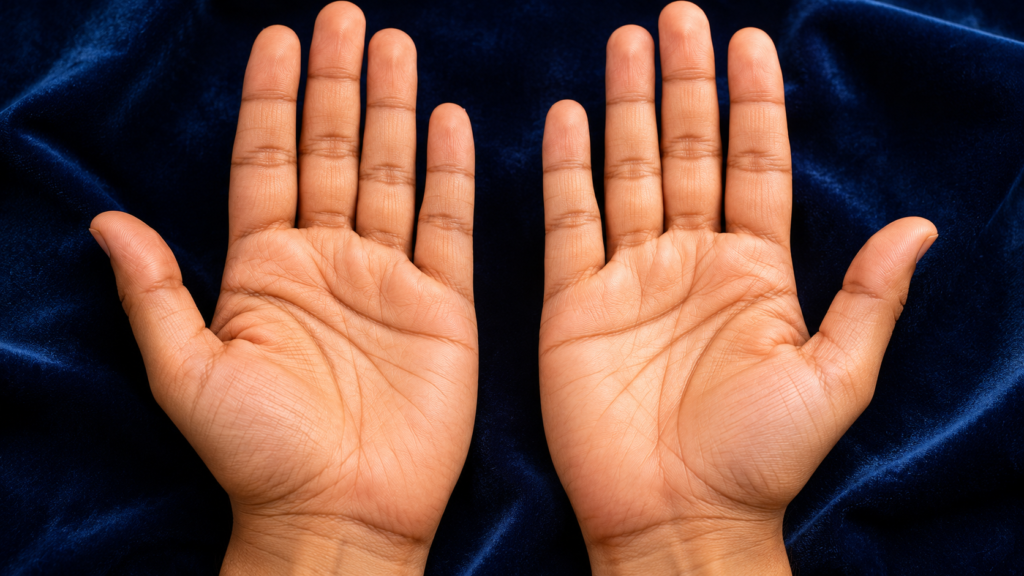
Archana Bhat: Keep it simple. Place both hands side by side, palms up, in good natural light. Then look at a few things in order:
- The overall shape of each palm and the length of the fingers.
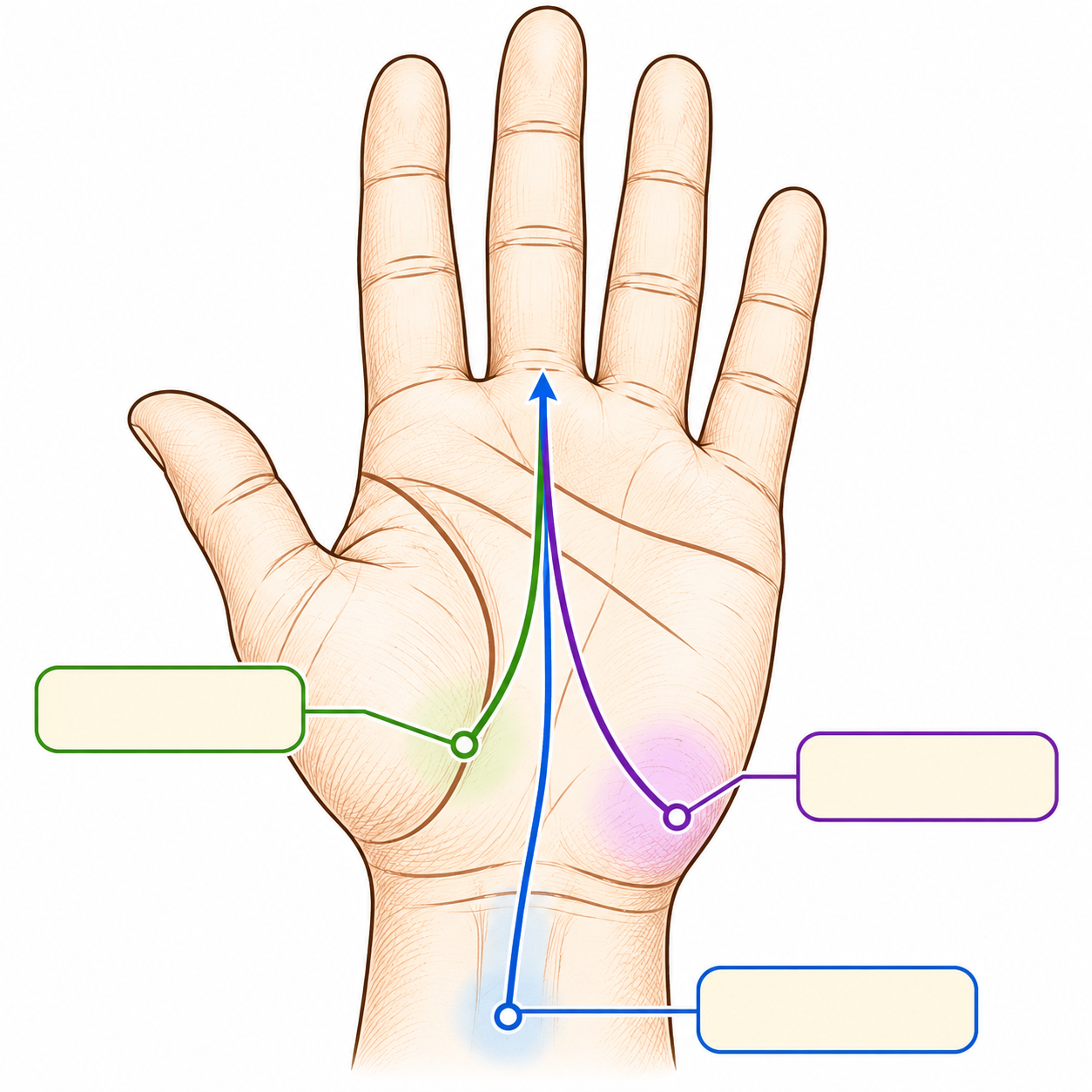
- The three principal lines (heart, head and life) and whether they are similar in length, depth and direction.
- The presence or absence of the fate and sun lines on each hand.
- Any noticeable difference in the number of fine lines.
Write down what you notice for each hand. Do not try to interpret everything at once. Just observing the similarities and differences is already a valuable first step, and it trains your eye for later lessons.
Common Myths and Misconceptions
- “The left hand shows the past and the right hand the future.” This is a simplified version of an older belief. Most traditions speak of potential and action, not literal past and future.
- “Women should always show the left hand.” Most modern palmists read the dominant hand, regardless of gender.
- “If the hands are different, something is wrong.” Different hands are very common and are traditionally read as signs of growth or change.
- “Only one hand matters.” A complete traditional reading always looks at both.
- “Every change in a line has meaning.” Many changes are simply physical, caused by skin, age or work.
Key Takeaways
- Traditional palmistry looks at both hands because each tells a different part of the story.
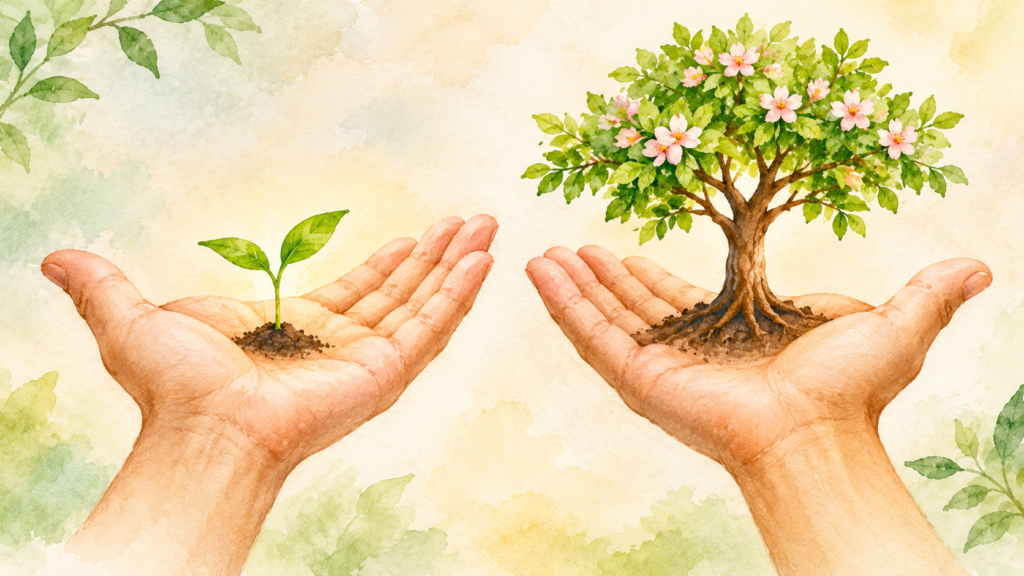
- The dominant hand is associated with present action and effort; the non-dominant hand with natural tendencies and potential.
- Left-handed people read their left hand as dominant; the rule follows use, not side.
- Differences between the hands are normal and are traditionally linked with growth and change.
- Compare both hands side by side in good light, one feature at a time.
A Closing Note from Archana
“The next time you look at your palms, look at them together. Notice where they agree and where they differ. Let those differences remind you that people grow, change and make choices. In our next conversation, we will move from lines to shapes and explore the four traditional hand types.”
About the Author
Archana Bhat is a palmistry expert who shares the traditional knowledge of hand reading in simple, accessible language for beginners and curious readers. Through “The Wisdom of Palmistry” series, she encourages readers to approach palmistry as a cultural tradition and a tool for self-reflection, never as a substitute for professional advice.Palmistry Consultations
Discover insights into your personality, strengths, relationships, career and life journey through personalised palmistry consultations.
Consultations Available In: Telugu, Hindi, Marathi & English.
🌍 Special Consultations for NRI Clients – Flexible appointment timings according to your country and time zone.
For Appointments & Enquiries:
📞 +91 8977118552
📞 +91 9082650679