Question 3: How did palmistry become popular across different cultures?
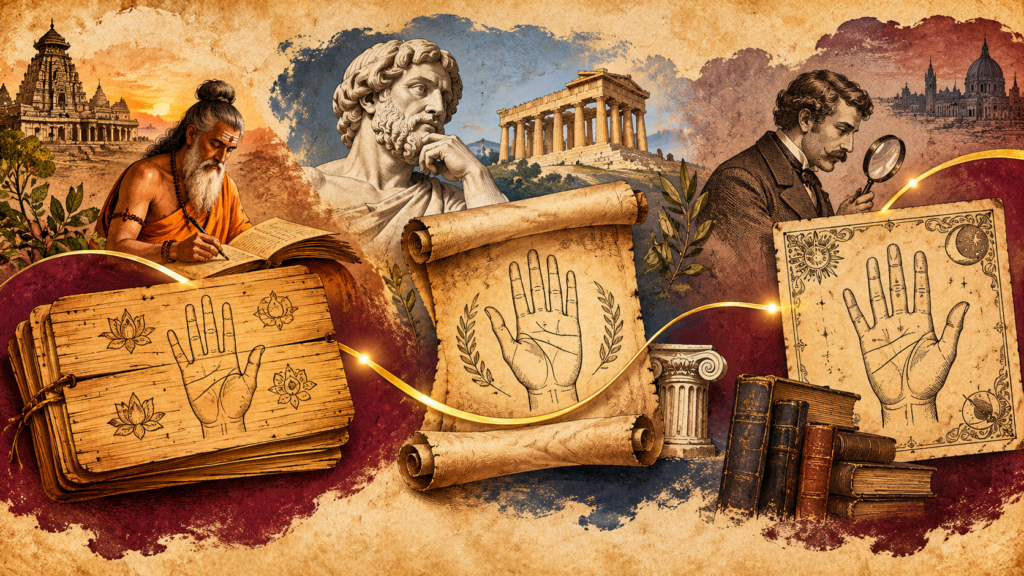
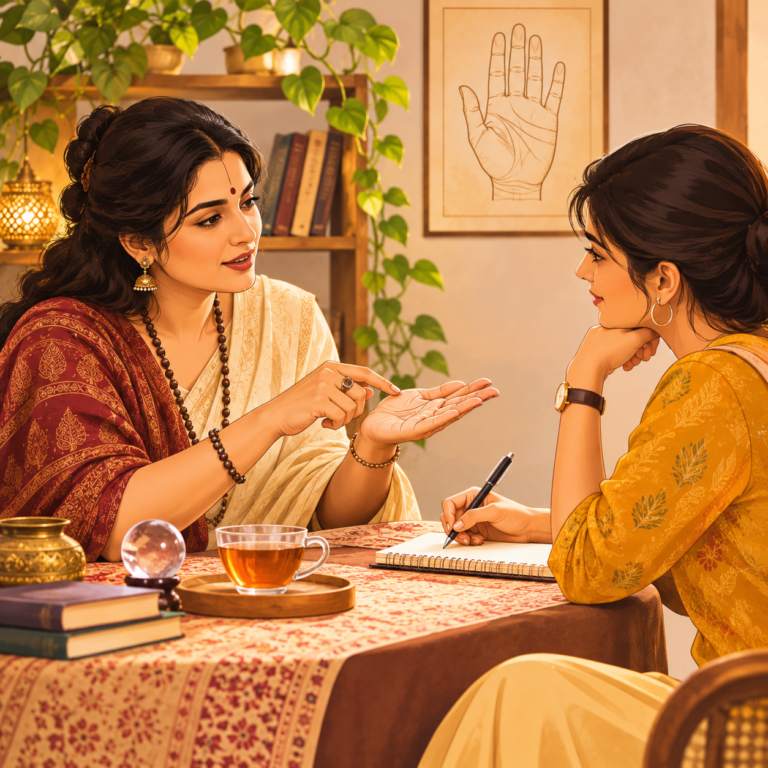
Archana Bhat: Palmistry travelled the same way many ideas travelled in the ancient world: with traders, scholars, travellers and storytellers. As people moved between regions, they carried their customs and beliefs with them, and hand reading was one of those customs.
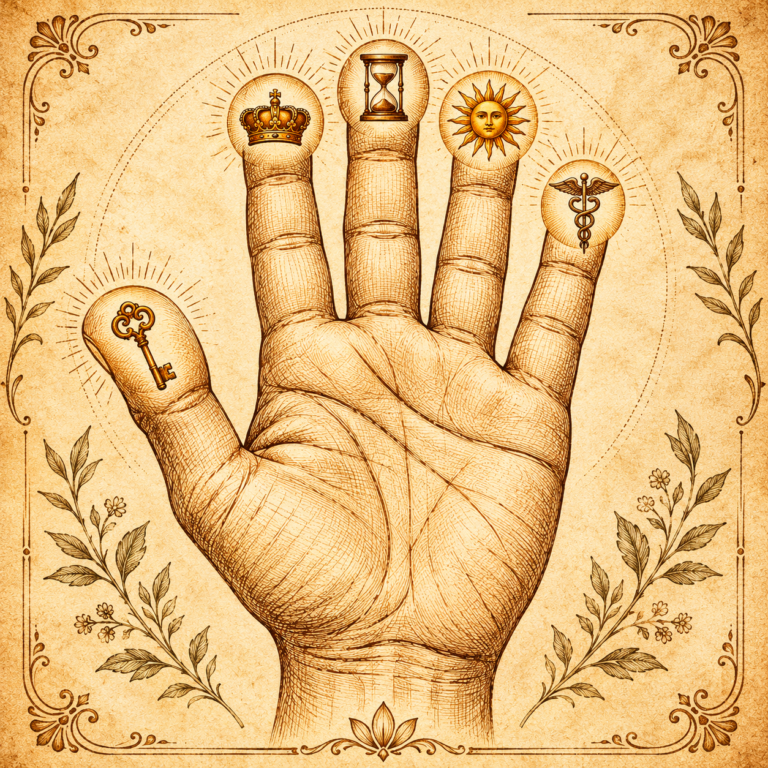
Each culture added its own flavour. Indian traditions linked the hand to broader systems of thought, while European palmists in later centuries connected the mounts of the palm to planets named in Roman mythology, such as Jupiter, Saturn and Venus. In the nineteenth and twentieth centuries, popular books and well-known palmists brought the subject to a wide public audience.
That is why today you can find small differences between one school of palmistry and another. The basics are shared, but the details and the emphasis can vary.
Question 4: Can the lines and shapes of our hands have different interpretations?
Archana Bhat: Yes, and this is one of the most important things for a beginner to understand. In palmistry, a single feature is rarely read in isolation. A line’s meaning is traditionally shaped by where it starts, where it ends, how deep it is, what crosses it and what kind of hand it sits on.
For example, a long head line on a broad, square hand may be described differently from a long head line on a slender, long-fingered hand. Different schools of palmistry may also give slightly different explanations for the same feature.
So if you read two books and find two different meanings, do not be confused. It simply reflects the fact that palmistry is a living tradition of interpretation, not a fixed rulebook.
Question 5: Does every individual have a unique palm pattern?
Archana Bhat: Yes. Even identical twins do not have exactly the same hands. The combination of lines, creases, skin ridges, hand shape and finger proportions is unique to each person.
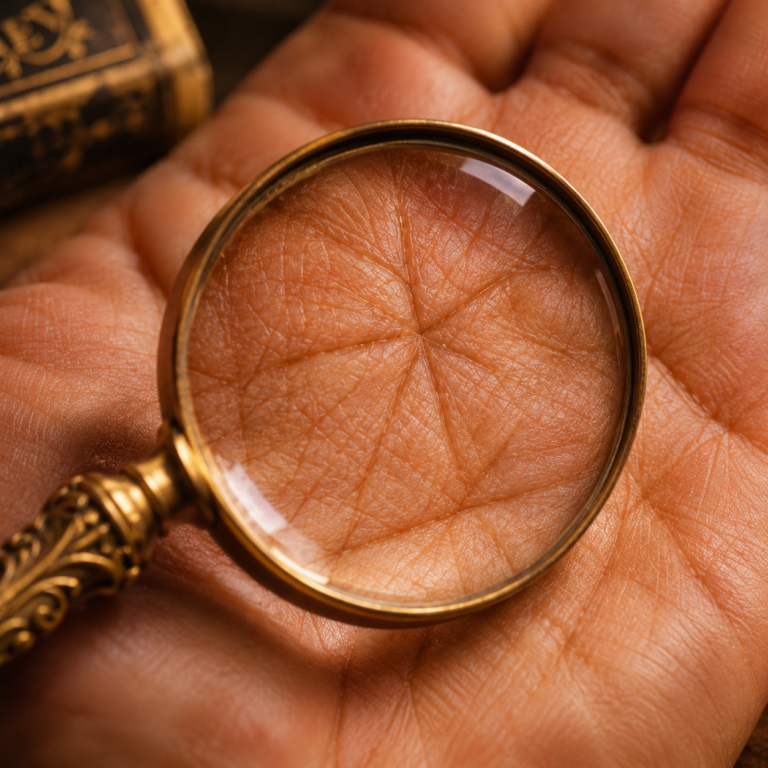
Some people have deep, clear lines, while others have faint or less clearly defined lines. Some palms have only a few lines, while others are covered with fine criss-crossing marks. These differences are part of what makes studying palm patterns so interesting.
It is worth knowing that modern science explains the formation of palm creases and skin ridges through natural development before birth. Palmistry, on the other hand, offers traditional symbolic meanings for these patterns. Both perspectives can be appreciated, as long as we do not confuse one with the other.
Question 6: Can someone learn to understand their own palm?
Archana Bhat: Absolutely. A beginner can start by understanding the basic structure of the hand, identifying the major lines and learning about the mounts. It is important to learn one concept at a time rather than trying to interpret the entire palm immediately.
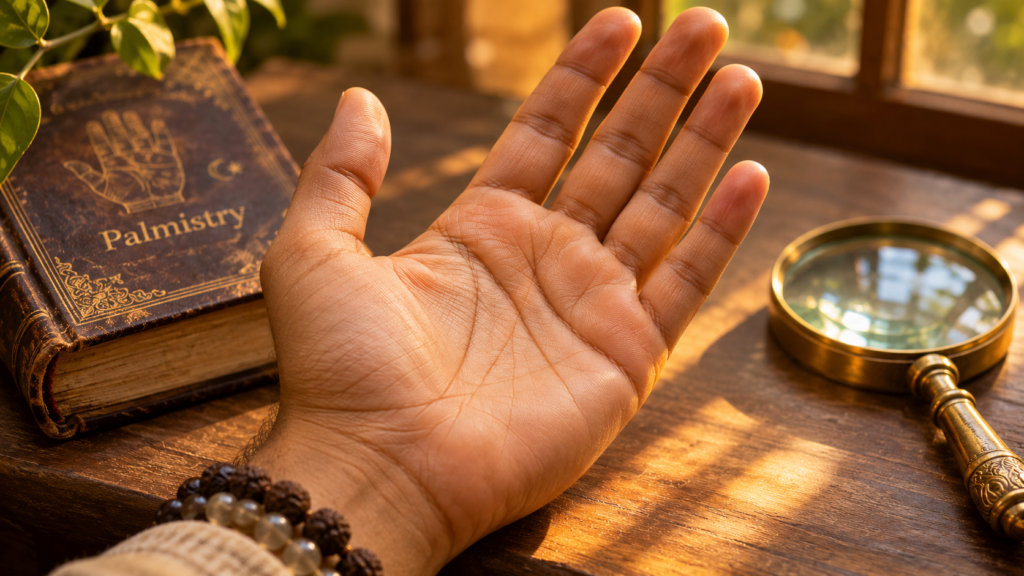
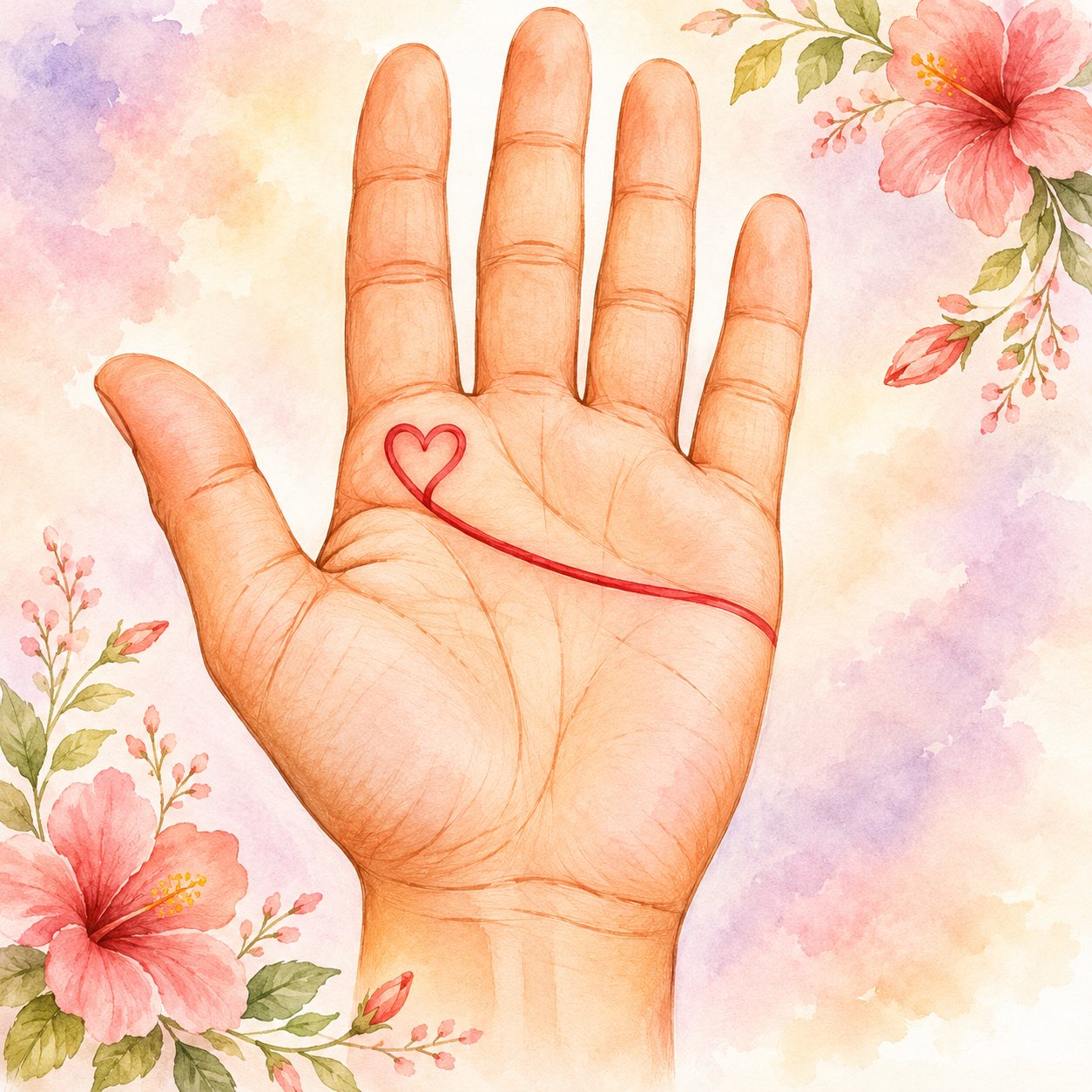
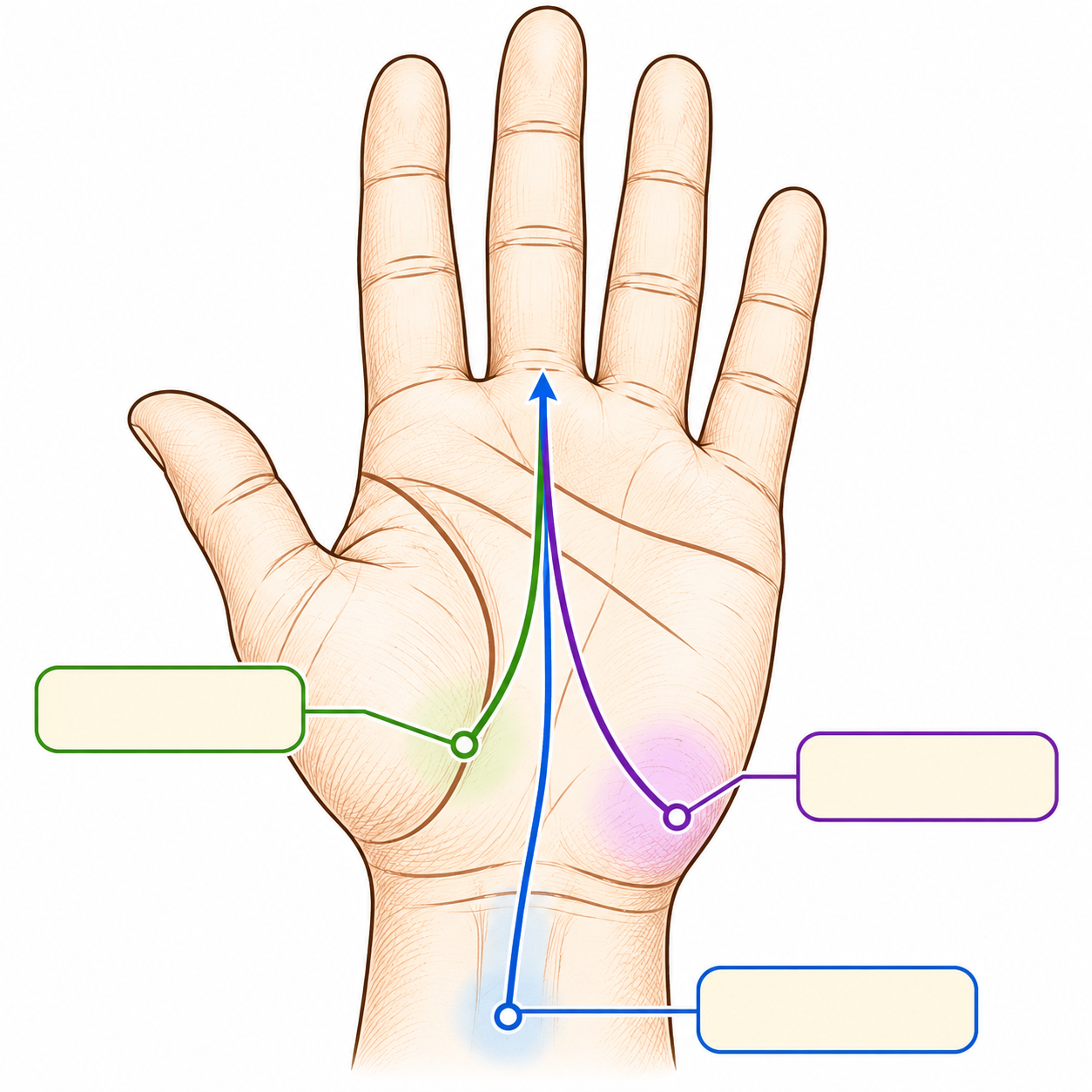
A simple way to begin is to sit in good natural light, relax your hand and look at it with your fingers gently spread. First observe the shape of the palm and fingers. Then find the three lines that most people have: the heart line, the head line and the life line. Only after that should you move on to smaller lines and markings.
Keep a small notebook. Write down what you see and what the traditional meaning is said to be. Over time, you will start to see patterns and the subject will feel far less mysterious.
Question 7: Is palmistry about predicting the future, or about understanding traditional personality interpretations?
Archana Bhat: This is a question I wish everyone would ask before visiting a palmist. Historically, palmistry has been used both ways. Some practitioners focus on “fortune telling”, while others focus on character and temperament.
I encourage readers to approach palmistry as a traditional system of personality interpretation and self-reflection. A reading can prompt you to think about your strengths, your habits and the way you approach life. It should not be treated as a guaranteed prediction of what will happen to you.
There is no scientific evidence that palm lines can foretell specific future events. Keeping that in mind protects you from fear, from false promises and from making important decisions for the wrong reasons.
Question 8: What should a beginner know before exploring palmistry?
Archana Bhat: First, start with curiosity, not anxiety. Many people approach palmistry afraid of what they might “find”. There is no need for that. Palmistry is a tradition to explore, not a verdict to fear.
Second, learn the basics in order: hand shape, major lines, mounts, fingers, and then special markings. Third, remember that interpretations depend on the whole hand, so avoid drawing conclusions from a single line.
Finally, use palmistry responsibly. Never rely on a reading for decisions about health, money, relationships or legal matters. For those, speak to qualified professionals. Use palmistry as a way to reflect, learn and enjoy an ancient tradition.
Common Myths and Misconceptions
- “A short life line means a short life.” This is perhaps the most common fear. Traditionally, the life line is associated with vitality and life experiences, not the length of a person’s life.
- “Palmistry is a proven science.” Palmistry is a traditional practice. Its interpretations are not scientifically proven.
- “Only gifted people can read palms.” Anyone can learn the traditional basics with patience and practice.
- “Your palm is fixed forever.” Fine lines on the hands can change over time with age, work and lifestyle.
- “One line tells the whole story.” Traditional readings always consider the hand as a whole.
Key Takeaways
- Palmistry studies the lines, shapes, mounts and features of the hand within a traditional framework.
- It has ancient roots in India and has developed across many cultures.
- Every palm is unique, and interpretations depend on the entire hand.
- Beginners should learn step by step: shape, lines, mounts, fingers, markings.
- Palmistry is best used for reflection and curiosity, not for predictions or major decisions.
A Closing Note from Archana
“Your hands are with you in every moment of your life: when you work, when you create, when you greet someone and when you rest. Looking at them closely is a lovely way to pause and reflect. Explore palmistry with an open heart and a thoughtful mind, and let it be a journey of learning rather than a search for certainty. In the next conversation, we will look at the five major lines of the palm.”
About the Author
Archana Bhat is a palmistry expert who shares the traditional knowledge of hand reading in simple, accessible language for beginners and curious readers. Through “The Wisdom of Palmistry” series, she encourages readers to approach palmistry as a cultural tradition and a tool for self-reflection, never as a substitute for professional advice.
Palmistry Consultations
Discover insights into your personality, strengths, relationships, career and life journey through personalised palmistry consultations.
Consultations Available In: Telugu, Hindi, Marathi & English.
🌍 Special Consultations for NRI Clients – Flexible appointment timings according to your country and time zone.
For Appointments & Enquiries:
📞 +91 8977118552
📞 +91 9082650679