RIA: Building the Intelligent Operating Layer for Distribution
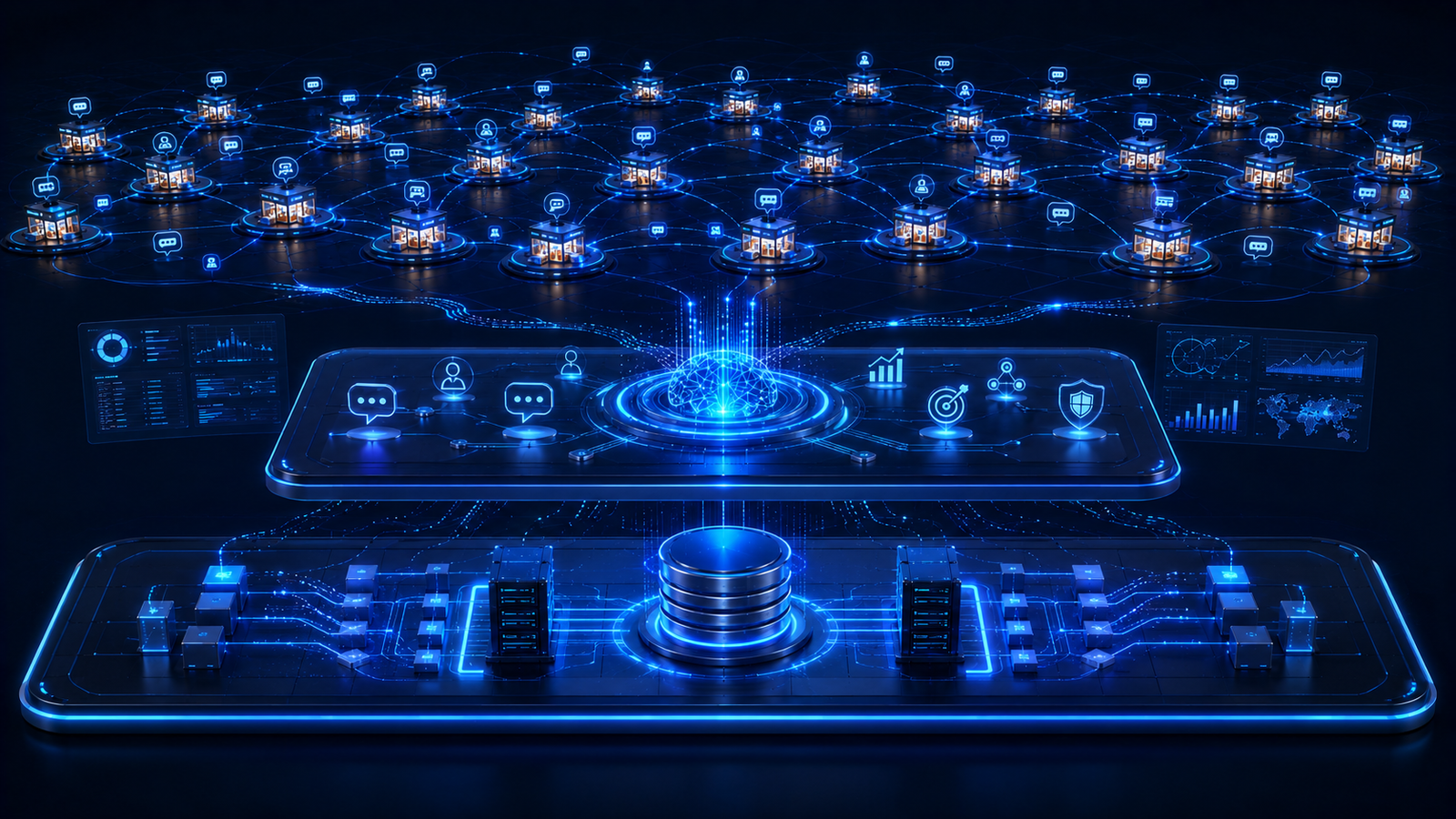
Distribution software has historically been built to record. Orders, invoices, stock movements, receipts — the systems that run distribution businesses are, at their core, extrem
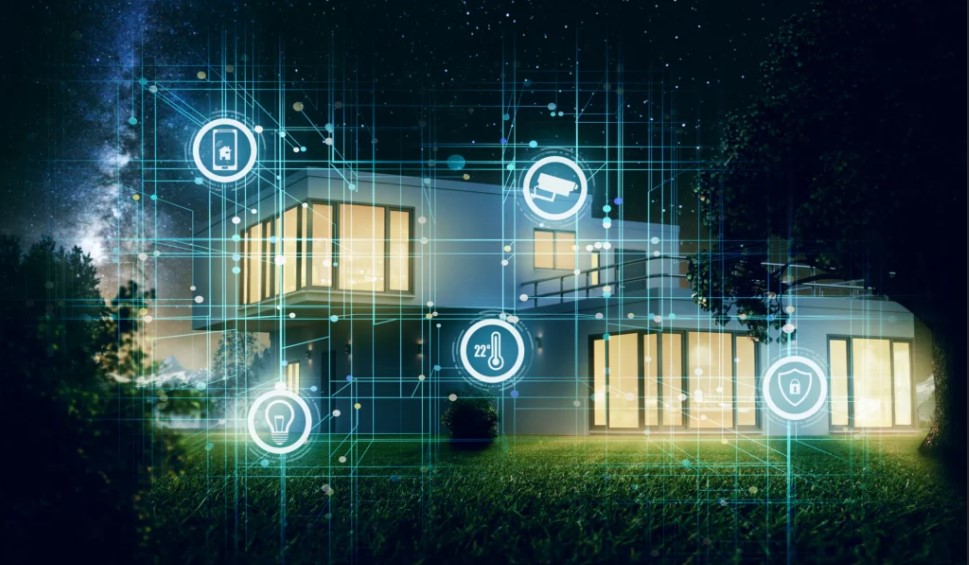
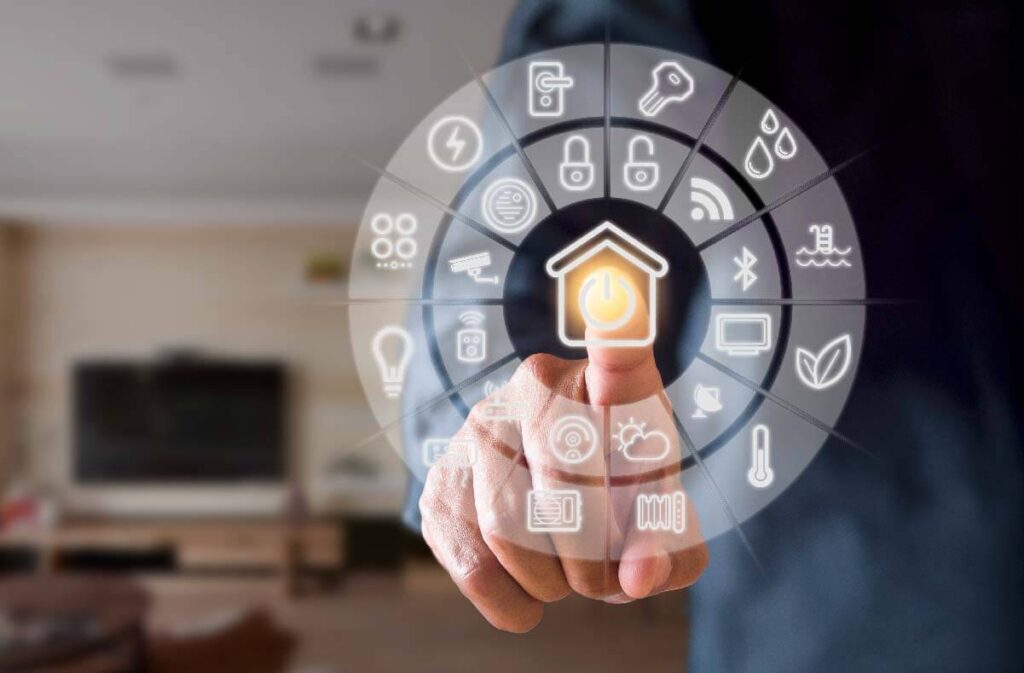
A smart home integrates internet-connected devices to remotely monitor and manage appliances and systems such as lighting and heating. This technology, also known as home automation or domotics, enhances security, comfort, convenience, and energy efficiency for homeowners. Smart homes are part of the Internet of Things (IoT), where devices operate together, sharing usage data and automating actions based on user preferences.
Smart homes are not just a collection of independent devices but a network of interconnected devices controlled by a central hub, often called a smart home hub. This hub, such as Amazon Echo, Google Home, or Wink Hub, acts as the system’s core, processing data and communicating wirelessly. It consolidates various apps into a single interface that homeowners can control remotely. Devices connect using Wi-Fi, Bluetooth, or other wireless protocols like Zigbee or Z-Wave. These devices can be programmed to follow schedules or respond to voice commands via home assistants like Amazon Alexa or Google Assistant.
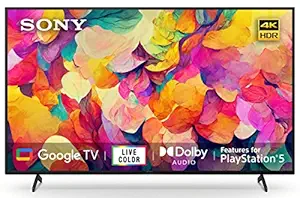
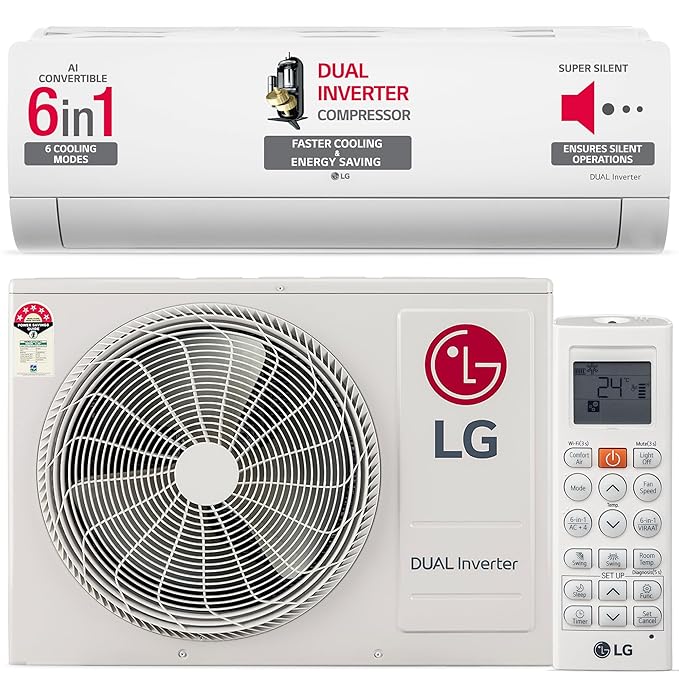
A smart home integrates various devices and appliances into a seamless system, providing homeowners with a high level of control and automation.
Advantages:
Disadvantages:
Smart home technology offers significant benefits in terms of convenience, security, and efficiency but also poses challenges related to complexity, interoperability, security, and cost. As technology advances, efforts to standardize protocols and improve user experience will likely make smart homes more accessible and secure, addressing current drawbacks and enhancing their appeal to a broader audience.
Distribution software has historically been built to record. Orders, invoices, stock movements, receipts — the systems that run distribution businesses are, at their core, extrem
Predictions about the future of any industry tend to be either too timid or too fanciful. The useful version sits in between: identify what is structurally constrained today, ident
Every distributor knows what needs to happen after a retailer says “I will pay on the fifteenth”. Someone should check on the fifteenth. In practice, in most distributi
Most explanations of AI collection software stay at the level of capability — it calls retailers, it captures commitments, it follows up. That is accurate and not especially usef
Ask a distributor how much money will come in next month and the honest answer is usually an estimate built on experience rather than evidence. The outstanding report shows what is
"Enjoyed this post? Don’t miss out on future updates – subscribe now to stay inspired and informed!"