RIA: Building the Intelligent Operating Layer for Distribution
Distribution software has historically been built to record. Orders, invoices, stock movements, receipts — the systems that run distribution businesses are, at their core, extrem
A vegetarian diet mainly includes foods from plants and excludes meat, poultry, and seafood. This diet helps support your immune system because plants provide essential nutrients you can’t get from other foods. These nutrients, including vitamins, minerals, phytochemicals, and antioxidants, keep your cells healthy and your body balanced, allowing your immune system to function at its best.
In the past, vegetarian, vegan, and plant-based diets were seen as niche lifestyles, often associated with hippies and activists. People who followed these diets were sometimes accepted, tolerated, or even met with hostility. Today, however, more people recognize the benefits of a plant-based diet, not just for health, but for many other reasons.
Being a vegetarian can mean different things to different people. For some, it’s simply a way to improve health and wellness. For others, it’s about a deep belief in treating animals ethically, which means not consuming meat and other animal products. Vegetarianism can be part of one’s social identity or a personal, private choice.
People choose vegetarianism for various reasons, including health, environmental concerns, ethics, religion, or economics. There are many types of vegetarianism, and a well-planned vegetarian diet can meet nutritional needs at any stage of life. These diets are low in saturated fat and cholesterol and high in fiber, which can help prevent heart disease, diabetes, kidney stones, and some cancers. Research even suggests that vegetarians have a 40% lower risk of developing cancer compared to meat eaters.
However, to reap the benefits, it’s important to follow a balanced vegetarian diet. Avoiding meat but eating lots of processed foods and sugars, and few vegetables and fruits, won’t provide the full benefits. A proper vegetarian diet can improve heart health, prevent type 2 diabetes, reduce cancer risk, lower blood pressure, decrease asthma symptoms, and promote bone health.
Veganism is a stricter form of vegetarianism. Vegans avoid all animal products and byproducts, including those used in food, clothing, and other products. Veganism aims to eliminate exploitation and cruelty to animals as much as possible.
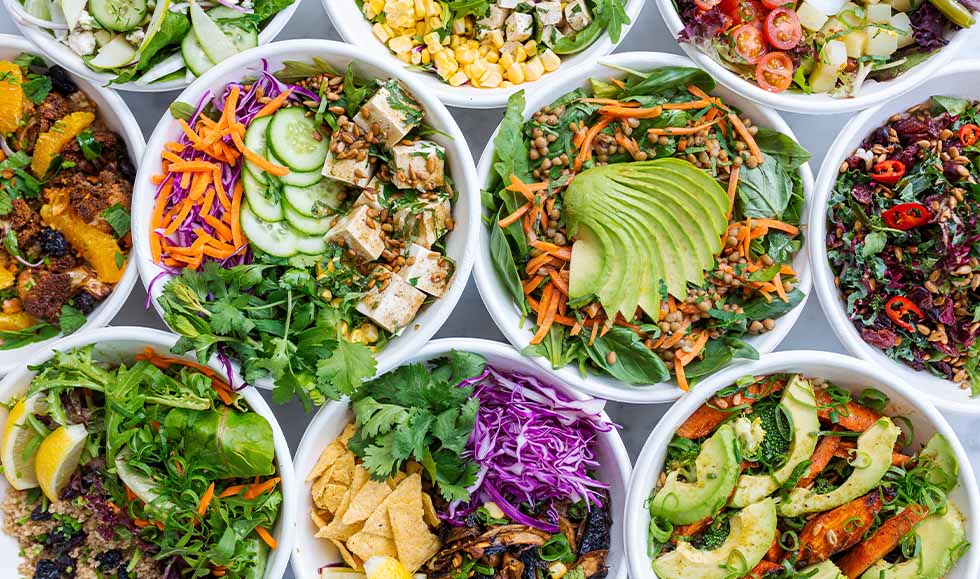
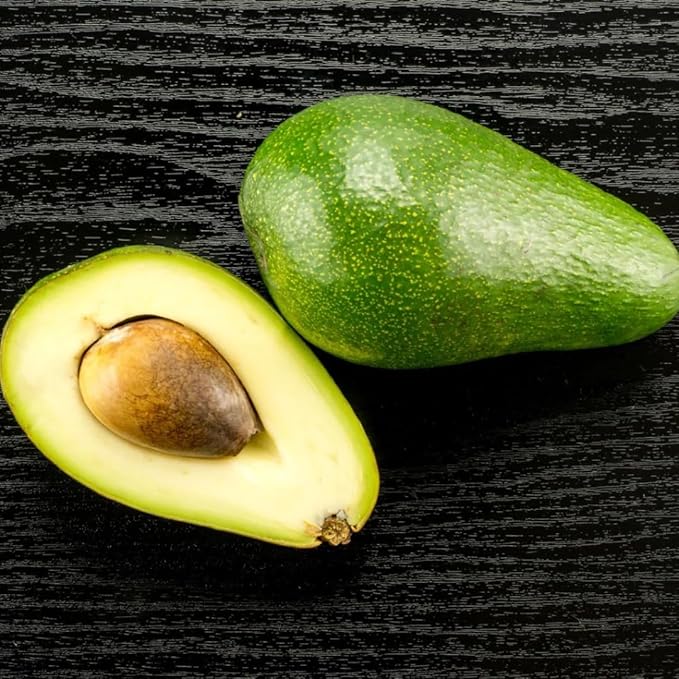
A vegan diet offers many health benefits. It can help with weight loss and maintaining heart health, and may protect against type 2 diabetes and certain cancers. Switching from a typical Western diet to a vegan diet means you’ll cut out meat and animal products and rely more on foods like:
These foods, which make up a larger portion of a vegan diet than a typical Western diet, can increase your intake of beneficial nutrients.
There is ongoing debate about vegetarianism and veganism, even among animal advocates. Reducing your consumption of animal products, in any form, is a positive step. If vegetarianism suits you, that’s great. If veganism fits your lifestyle and ethics, that’s excellent too.
Vegetarians and vegans may have different ethical viewpoints. Even within the vegan community, opinions vary on the most ethical practices. As you explore vegetarianism or veganism, it’s important to read and understand the literature and make choices from a place of compassion. Understanding the ethical debates is valuable, but it’s also essential not to get too bogged down by them.
On a plant-based diet, you’ll avoid meat, chicken, seafood, pork, and dairy, and replace them with beans, legumes, tofu, tempeh, fruits, vegetables, and grains. You can get all the nutrients and proteins you need from whole, plant-based foods without needing meat or animal products. It’s important to eat a wide variety of foods, including lots of dark, leafy greens, to ensure proper nutrition.
Understanding your reasons for shifting away from meat and dairy to a plant-based or vegan diet is important. Whether it’s for personal health, the environment, or animal welfare (or all of these), reminding yourself why you started will help keep you motivated.
Learning about the impacts of the meat and dairy industry can help you make informed decisions. Knowing what’s behind the food on your plate can give you a better understanding of the issues involved.
Transitioning to a plant-based diet doesn’t have to be overwhelming. If quitting meat and dairy all at once sounds daunting, take it step by step. Start by adopting a vegetarian diet to get used to eliminating meat before cutting out eggs and dairy.
Setting goals helps keep you motivated. Start with manageable goals, like eating fewer animal products each week or increasing the number of plant-based meals you have each week. For example, aiming for three plant-based meals a week is a realistic goal.
Eating more fruits and vegetables can boost libido due to increased blood flow from nutrient-rich foods. A balanced diet is also linked to higher levels of testosterone in men, which can improve sex drive.
Switching to a plant-based lifestyle can seem daunting at first, but with some research and dedication, it doesn’t have to be overwhelming. Start small and build up gradually, staying informed and setting achievable goals along the way to keep yourself motivated.
By making informed, compassionate choices, you can find the diet that best suits your needs and values. Whether you choose vegetarianism or veganism, any step towards reducing your consumption of animal products is a positive one.
Distribution software has historically been built to record. Orders, invoices, stock movements, receipts — the systems that run distribution businesses are, at their core, extrem
Predictions about the future of any industry tend to be either too timid or too fanciful. The useful version sits in between: identify what is structurally constrained today, ident
Every distributor knows what needs to happen after a retailer says “I will pay on the fifteenth”. Someone should check on the fifteenth. In practice, in most distributi
Most explanations of AI collection software stay at the level of capability — it calls retailers, it captures commitments, it follows up. That is accurate and not especially usef
Ask a distributor how much money will come in next month and the honest answer is usually an estimate built on experience rather than evidence. The outstanding report shows what is

A distributor with two thousand retail outlets has, in theory, two thousand ongoing commercial relationships. In practice, most of those relationships are dormant between order and
Most distributors evaluating AI telecalling are not starting from zero. They already have a calling function — sometimes a formal team, more often a handful of people who make fo
"Enjoyed this post? Don’t miss out on future updates – subscribe now to stay inspired and informed!"