
The Retailer’s Growth Partner: Why Choosing the Right Distributor Matters
Ask any successful two-wheeler spare-parts shop owner what really made their business grow. Most people expect the answer to be “a good location” or “lots of customers.” Th

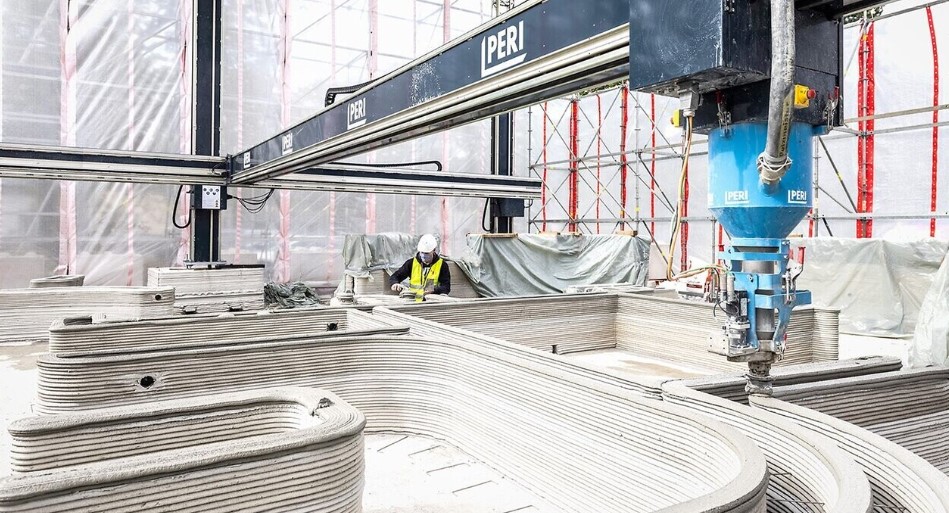
How Can 3D Printing Contribute to the Development of Smart Cities?
As urban areas face mounting challenges like population growth, environmental concerns, and the demand for more efficient infrastructure, smart cities have emerged as a vision for the future. These cities integrate technology and data to optimize services, improve quality of life, and reduce environmental impact. 3D printing, also known as additive manufacturing, is playing a key role in this transformation by offering innovative solutions for sustainable construction, infrastructure development, and resource optimization. This blog will explore how 3D printing can contribute to the development of smart cities, the process involved, the advantages and disadvantages, the challenges faced, and the potential effects on urban landscapes.
3D printing can be a game changer for the development of smart cities in several critical ways:
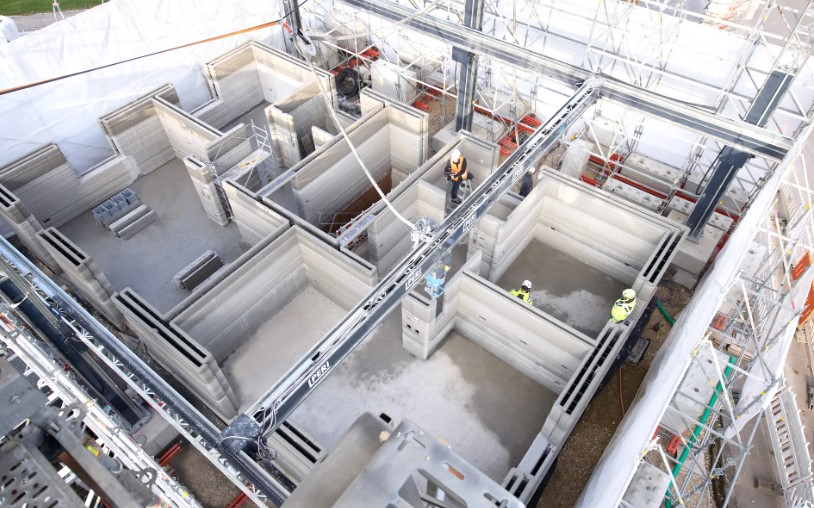
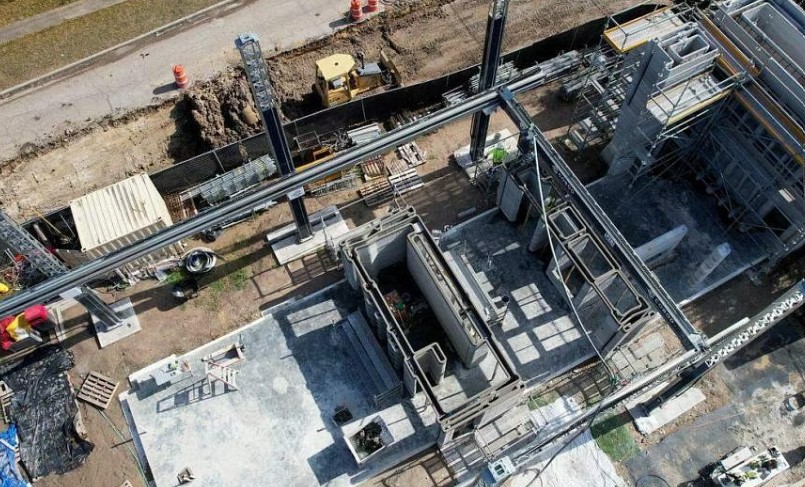
In the context of smart cities, 3D printing follows a systematic process designed to meet urban demands:
3D printing offers numerous advantages in the context of smart city development:
While 3D printing offers numerous advantages, it also presents some disadvantages:
Despite its potential, several challenges must be addressed to fully integrate 3D printing into smart city development:
The future of 3D printing in smart cities holds exciting possibilities:
3D printing is emerging as a transformative technology for the development of smart cities, offering solutions to some of the most pressing urban challenges. By reducing waste, optimizing resource use, and promoting energy efficiency, it plays a vital role in creating eco-friendly architecture and contributing to sustainable urban environments. However, for 3D printing to reach its full potential in smart cities, the challenges of scalability, regulation, and material limitations must be addressed.
The next decade will likely see significant advancements in the integration of 3D printing into smart city development, reshaping urban landscapes and pushing the boundaries of what cities can achieve in terms of sustainability, innovation, and efficiency. The cities that embrace 3D printing as part of their smart city strategies will be better equipped to meet the demands of the future, creating urban spaces that are resilient, adaptable, and designed for the challenges of tomorrow.






Ask any successful two-wheeler spare-parts shop owner what really made their business grow. Most people expect the answer to be “a good location” or “lots of customers.” Th
Hyderabad, September 13, 2026:The National Consumer Rights Commission (NCRC), Telangana, conducted a two-day voluntary Consumer Food Safety & Hygiene Inspection Initiative acro
Distribution software has historically been built to record. Orders, invoices, stock movements, receipts — the systems that run distribution businesses are, at their core, extrem
Predictions about the future of any industry tend to be either too timid or too fanciful. The useful version sits in between: identify what is structurally constrained today, ident
Every distributor knows what needs to happen after a retailer says “I will pay on the fifteenth”. Someone should check on the fifteenth. In practice, in most distributi
"Enjoyed this post? Don’t miss out on future updates – subscribe now to stay inspired and informed!"