Pregnancy Is Power: How Hindu Women Shape Future Generations
In the sacred landscape of Hindu philosophy, pregnancy is not merely a biological event—it is a transformative, spiritual, and deeply societal act. It is a symbol of Shakti, the
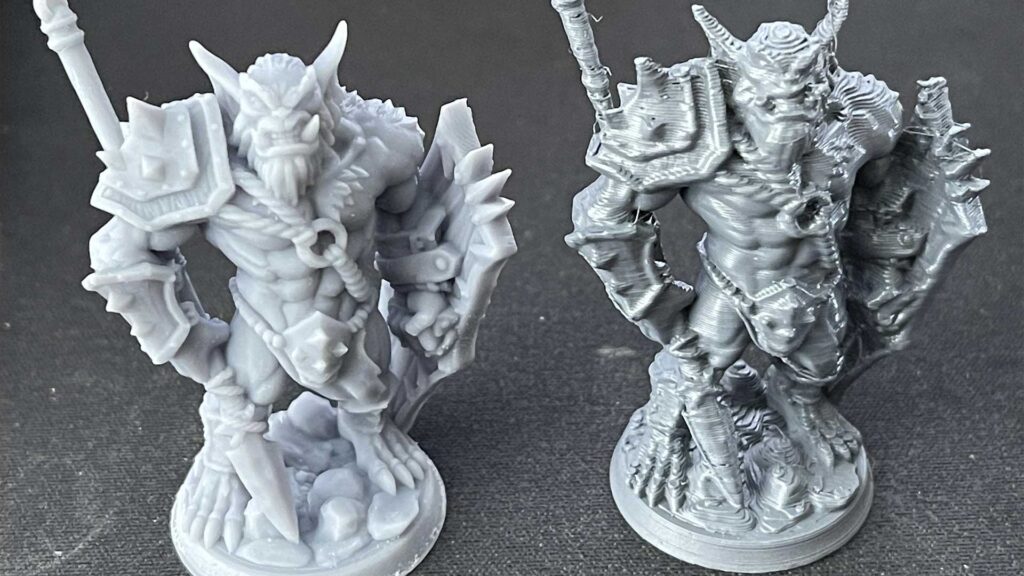
When it comes to 3D printing, two of the most popular technologies are FDM (Fused Deposition Modeling) and SLA (Stereolithography). Each has its advantages and disadvantages, and choosing between them depends on your needs, budget, and the type of parts you want to produce. Let’s dive into the key differences between FDM and SLA 3D printers, how they work, their specifications, and which one might be better for your specific use case.
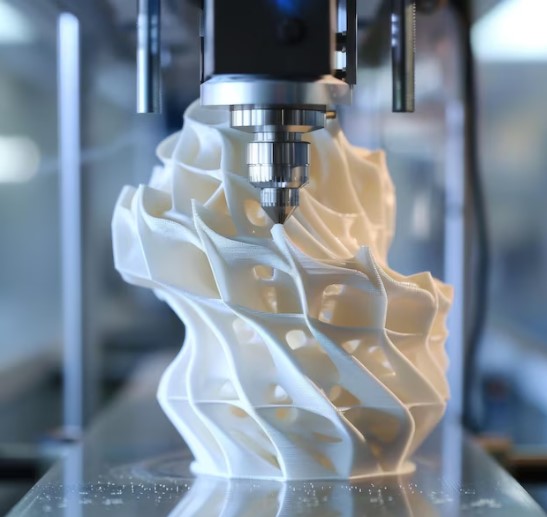
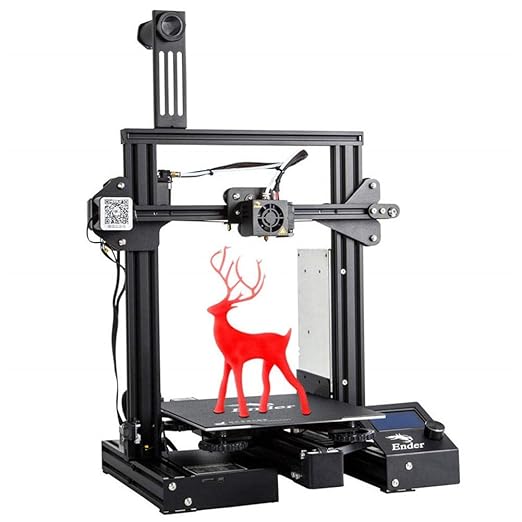
FDM printers work by melting and extruding thermoplastic filament through a heated nozzle, which deposits the material layer by layer to build the object. This process involves moving the print head and the build plate in coordination to create the desired shape.
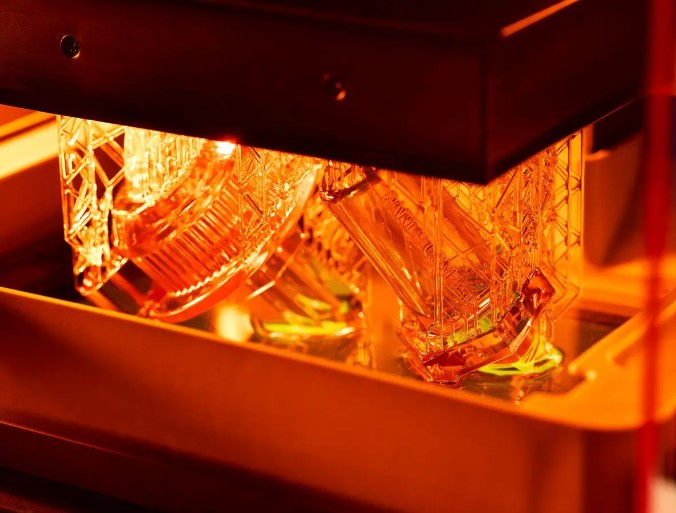
SLA printers use a laser or a light source to cure liquid resin (photopolymer) into hardened plastic. The printer builds the object layer by layer by selectively solidifying the resin in a vat of liquid, based on the design of the 3D model.
Feature | FDM 3D Printers | SLA 3D Printers |
Print Method | Extrusion of thermoplastic filament | Curing of liquid resin via a light source |
Materials | Thermoplastics (PLA, ABS, PETG, etc.) | Photopolymer resins |
Print Accuracy | Medium to High (100-300 microns) | Very High (25-100 microns) |
Build Volume | Larger on average | Typically smaller |
Surface Finish | Rough, may require post-processing | Smooth, with fine detail |
Strength | Stronger due to thermoplastics | Generally weaker, brittle |
Print Speed | Moderate | Slower, but more accurate |
Material Cost | Lower cost for filaments | Higher cost for resins |
Printer Cost | Typically cheaper ($200 – $3,000) | More expensive ($1,000 – $10,000+) |
Post-Processing | Minimal, usually just support removal | Required: washing, curing |
Ease of Use | Beginner-friendly | Requires more skill and safety precautions |
The question of which 3D printing technology is better depends on your specific needs:
Both FDM and SLA 3D printing technologies have their place in the world of additive manufacturing. FDM is the go-to for functional, durable parts at a lower cost, while SLA is unmatched in producing highly detailed, smooth-surfaced objects. Understanding the strengths and limitations of each will help you choose the right printer for your projects. Whether you need rapid prototyping, small detailed models, or large, durable parts, there’s a 3D printing solution tailored to your needs.
In the sacred landscape of Hindu philosophy, pregnancy is not merely a biological event—it is a transformative, spiritual, and deeply societal act. It is a symbol of Shakti, the
In the vast and timeless tradition of Hinduism, one of the most profound recognitions is this: The mother is the first guru. She is not only the giver of life but the sculptor of t
In the rich tapestry of Indian cultural and spiritual heritage, one timeless tradition stands out for its vision, depth, and sensitivity: Garbh Sanskar. This ancient Vedic practice
In a world constantly searching for righteous leaders, visionaries, and changemakers, it is easy to overlook where such greatness truly begins — in the lap of a mother. Hindu phi
In the rich tapestry of Hindu philosophy, life is seen not just as a personal journey but as an intricate part of a grand cosmic design. Among the many sacred responsibilities one
"Enjoyed this post? Don’t miss out on future updates – subscribe now to stay inspired and informed!"