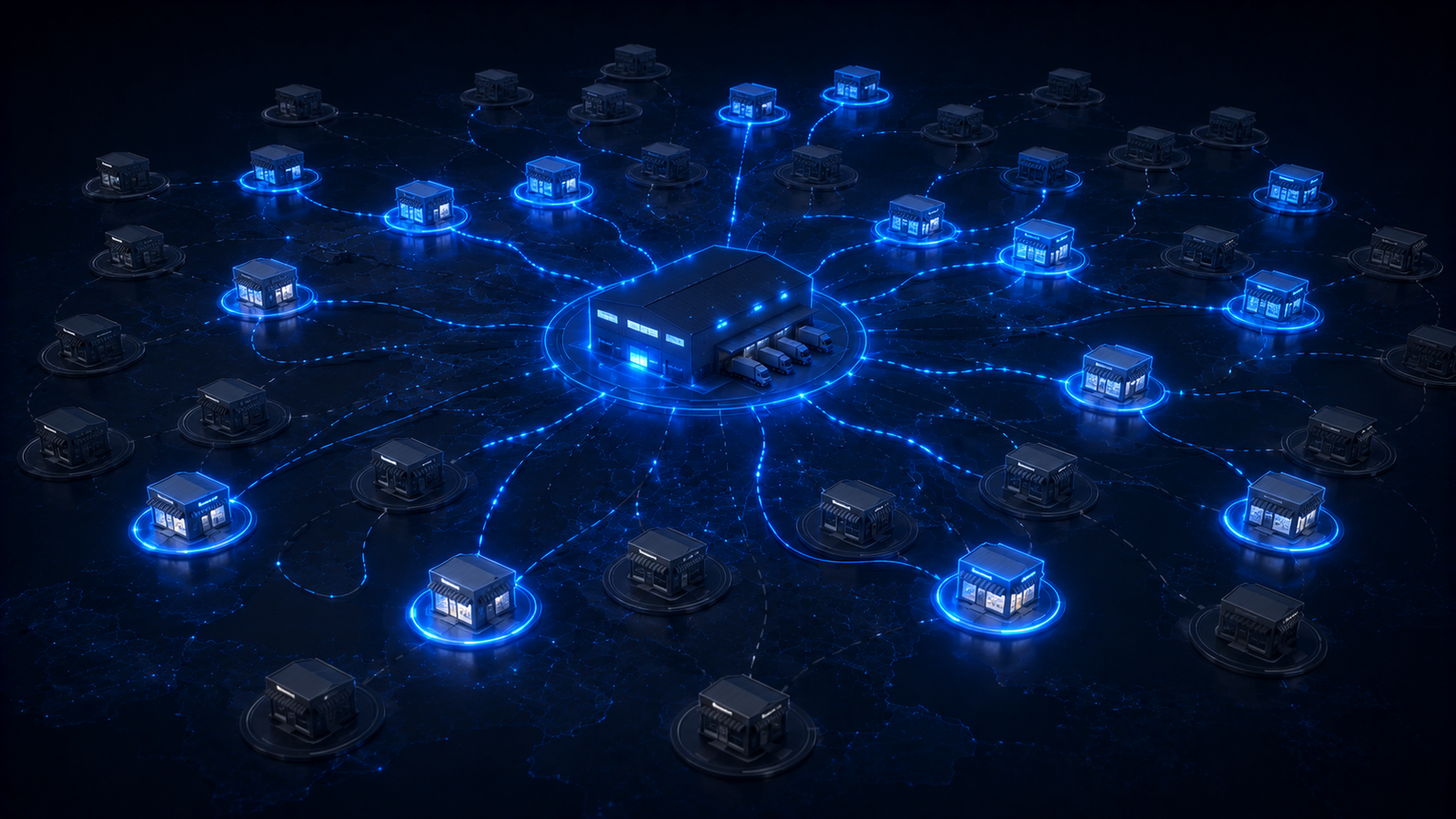
RIA: Building the Intelligent Operating Layer for Distribution
Distribution software has historically been built to record. Orders, invoices, stock movements, receipts — the systems that run distribution businesses are, at their core, extrem
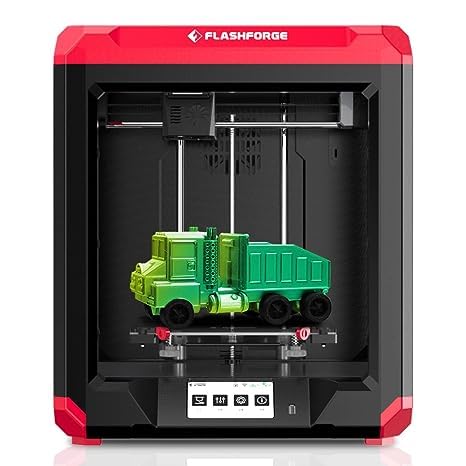
Automatic bed leveling (ABL) is a feature that has revolutionized the way 3D printers operate, significantly improving print accuracy and quality. In traditional 3D printing, bed leveling was a manual process that required careful calibration to ensure the printing surface was flat and even. Any small errors in bed leveling could lead to problems such as poor adhesion, layer shifting, or even failed prints. ABL simplifies and automates this process, eliminating much of the guesswork and reducing the likelihood of printing issues.
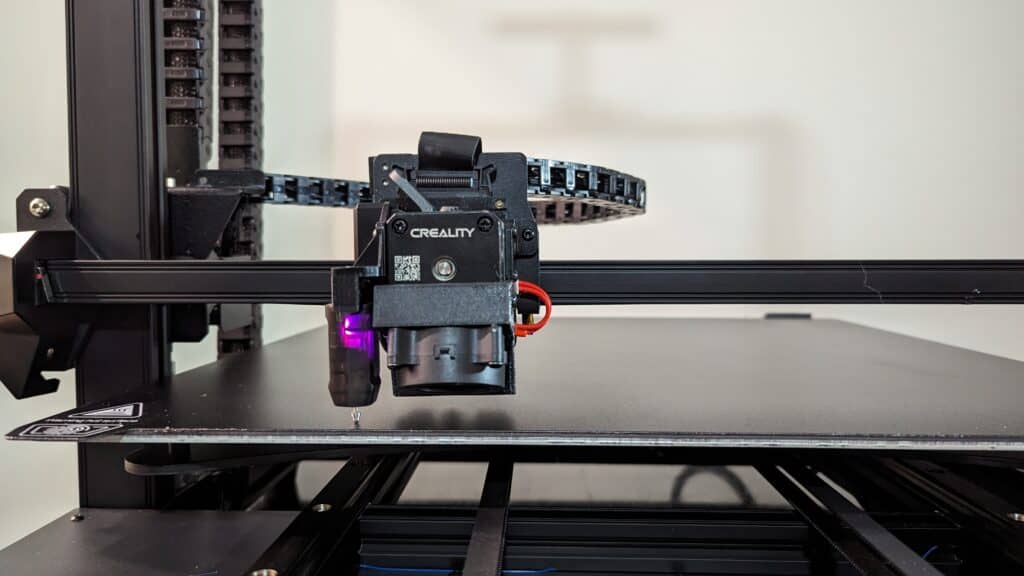
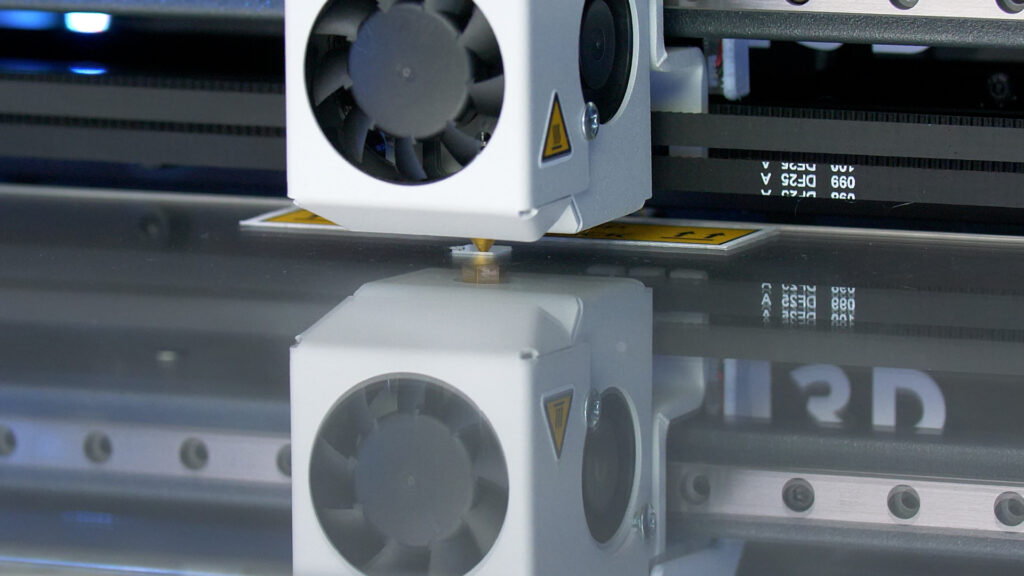
ABL is a technology used in 3D printers that utilizes sensors or probes to measure the height and curvature of the print bed. These sensors help the printer automatically adjust the bed’s height and the nozzle’s position during the printing process. The primary goal is to maintain an optimal distance between the nozzle and the print bed to ensure the filament adheres correctly, thus improving the overall print quality.
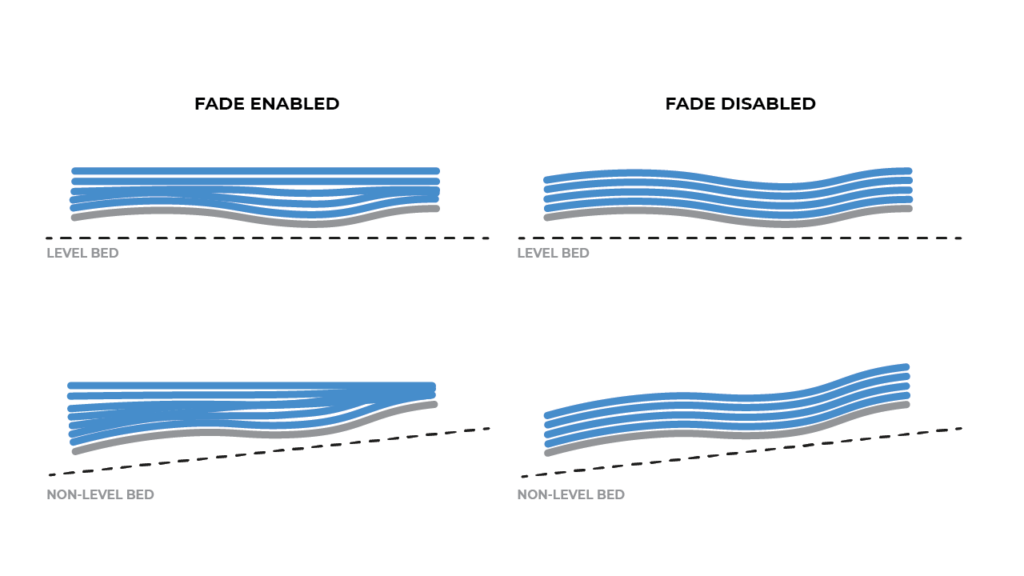
ABL systems use probes, often load cells or inductive sensors, to create a digital map (mesh) of the bed’s surface. This mesh represents the contours and any imperfections in the bed’s flatness, allowing the printer to make real-time adjustments. Here’s how ABL improves the accuracy of 3D printing:
Automatic bed leveling (ABL) has made a significant impact on the world of 3D printing by improving accuracy, print quality, and user experience. By automating the bed leveling process, ABL systems reduce the chance of human error and save valuable time, making 3D printing more efficient and reliable. Whether you’re a seasoned professional or a beginner, ABL can enhance your 3D printing experience by ensuring that every print starts off on the right foot, ultimately leading to fewer failures and higher-quality results.
Distribution software has historically been built to record. Orders, invoices, stock movements, receipts — the systems that run distribution businesses are, at their core, extrem
Predictions about the future of any industry tend to be either too timid or too fanciful. The useful version sits in between: identify what is structurally constrained today, ident
Every distributor knows what needs to happen after a retailer says “I will pay on the fifteenth”. Someone should check on the fifteenth. In practice, in most distributi

Most explanations of AI collection software stay at the level of capability — it calls retailers, it captures commitments, it follows up. That is accurate and not especially usef
Ask a distributor how much money will come in next month and the honest answer is usually an estimate built on experience rather than evidence. The outstanding report shows what is
"Enjoyed this post? Don’t miss out on future updates – subscribe now to stay inspired and informed!"