Pregnancy Is Power: How Hindu Women Shape Future Generations
In the sacred landscape of Hindu philosophy, pregnancy is not merely a biological event—it is a transformative, spiritual, and deeply societal act. It is a symbol of Shakti, the
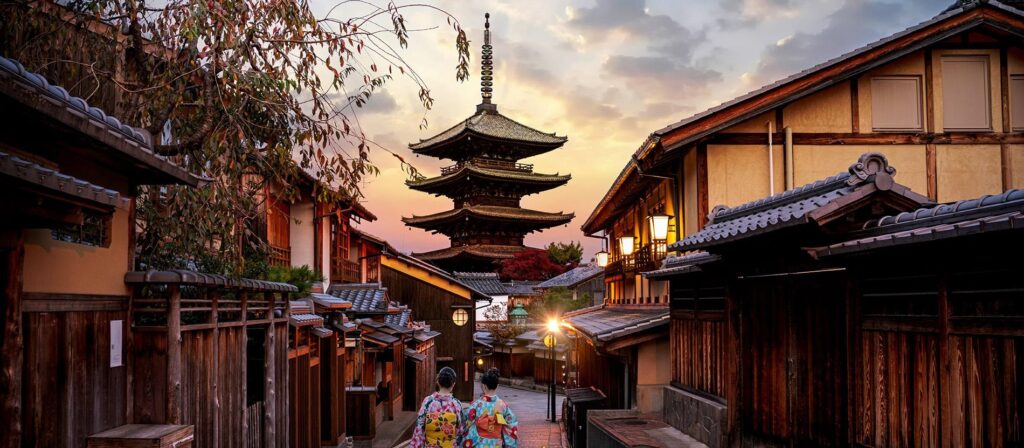
Kyoto, often referred to as the cultural capital of Japan, is a city steeped in history and tradition. From 794 to 1868, it served as the nation’s capital and the emperor’s residence, making it a hub for Japanese culture, politics, and religion. Despite enduring countless wars and fires, Kyoto has preserved its exceptional historic value, escaping destruction during World War II. Today, the city is a living museum of Japan’s heritage, boasting countless temples, shrines, and cultural landmarks.
For those looking to explore the essence of Japan’s spiritual and architectural history, Kyoto’s temples are the perfect gateway. Each temple offers a unique glimpse into the traditions, artistry, and spirituality that define the city. In this blog, we’ll delve into some of Kyoto’s most iconic temples and their special attractions.
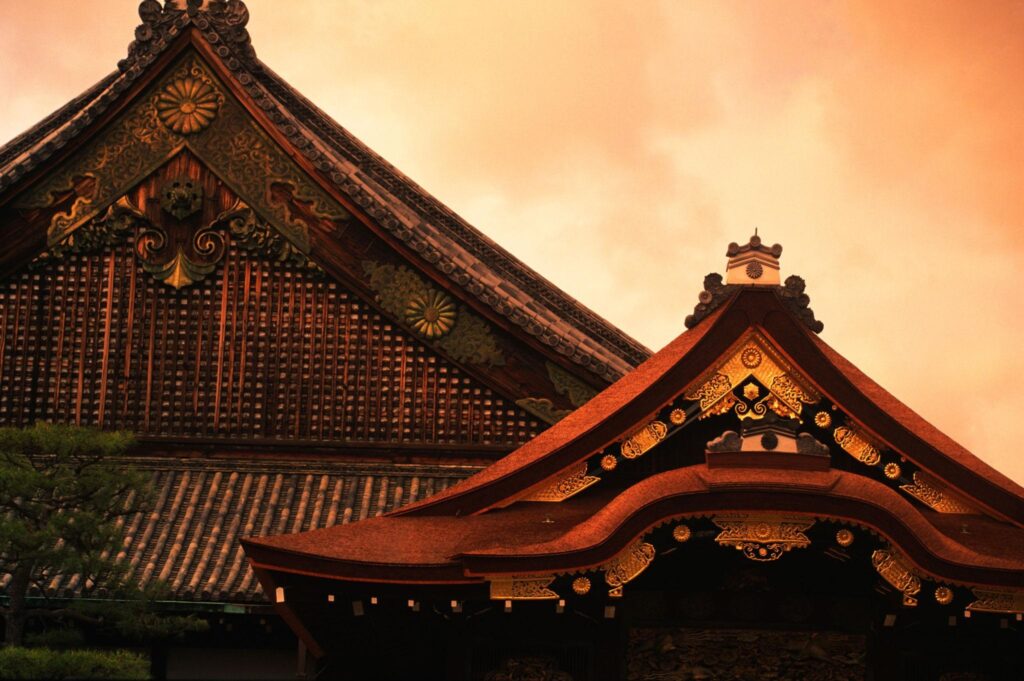
Kyoto is home to over 1,600 temples, reflecting its deep-rooted connection to Buddhism and Shintoism. These temples range from serene Zen gardens to grand, gilded pavilions, each telling its own story of devotion, artistry, and resilience. The temples in Kyoto are not only places of worship but also centers of cultural, artistic, and historical significance.
In spring, many temples are adorned with cherry blossoms, creating a magical atmosphere. Kiyomizu-dera and Daigo-ji are especially famous for hanami.
The temples come alive with vibrant red, orange, and yellow hues during autumn. Eikando and Tofuku-ji are must-visit spots for autumn foliage.
Several temples, including Kiyomizu-dera and Kodai-ji, hold seasonal night illuminations, enhancing their beauty and mystique.
Kyoto’s temples are not just tourist attractions; they are spiritual sanctuaries where visitors can connect with Japan’s cultural and religious heritage. They embody the principles of Zen Buddhism, Shintoism, and traditional Japanese aesthetics, offering lessons in mindfulness, simplicity, and harmony with nature.
Kyoto’s temples are a testament to the city’s rich history, artistic brilliance, and spiritual depth. Each temple tells a story of devotion and resilience, offering visitors an opportunity to step back in time and immerse themselves in Japan’s cultural heart. Whether you’re drawn to the shimmering beauty of Kinkaku-ji, the meditative calm of Ryoan-ji, or the vibrant trails of Fushimi Inari Taisha, Kyoto’s temples promise an unforgettable journey into the soul of Japan.
So pack your bags, respect the traditions, and get ready to explore the timeless treasures of Kyoto!
In the sacred landscape of Hindu philosophy, pregnancy is not merely a biological event—it is a transformative, spiritual, and deeply societal act. It is a symbol of Shakti, the
In the vast and timeless tradition of Hinduism, one of the most profound recognitions is this: The mother is the first guru. She is not only the giver of life but the sculptor of t
In the rich tapestry of Indian cultural and spiritual heritage, one timeless tradition stands out for its vision, depth, and sensitivity: Garbh Sanskar. This ancient Vedic practice
In a world constantly searching for righteous leaders, visionaries, and changemakers, it is easy to overlook where such greatness truly begins — in the lap of a mother. Hindu phi
In the rich tapestry of Hindu philosophy, life is seen not just as a personal journey but as an intricate part of a grand cosmic design. Among the many sacred responsibilities one
"Enjoyed this post? Don’t miss out on future updates – subscribe now to stay inspired and informed!"