RIA: Building the Intelligent Operating Layer for Distribution
Distribution software has historically been built to record. Orders, invoices, stock movements, receipts — the systems that run distribution businesses are, at their core, extrem
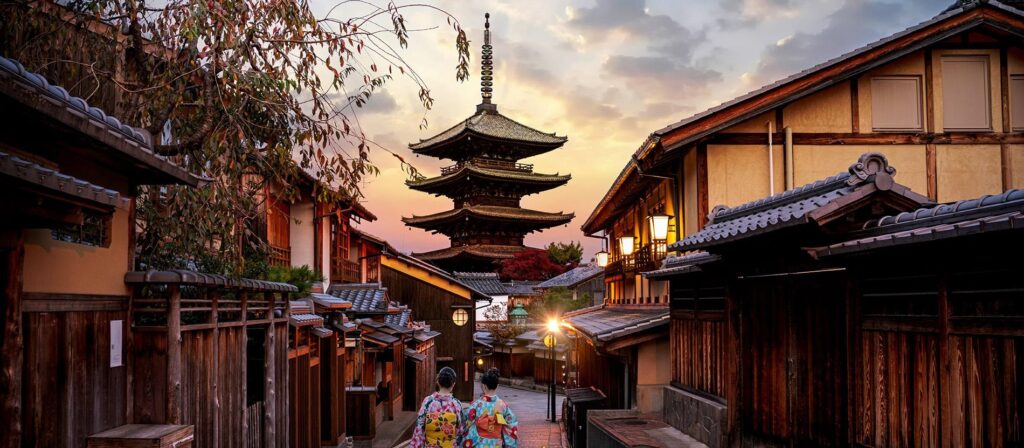
Kyoto, often referred to as the cultural capital of Japan, is a city steeped in history and tradition. From 794 to 1868, it served as the nation’s capital and the emperor’s residence, making it a hub for Japanese culture, politics, and religion. Despite enduring countless wars and fires, Kyoto has preserved its exceptional historic value, escaping destruction during World War II. Today, the city is a living museum of Japan’s heritage, boasting countless temples, shrines, and cultural landmarks.
For those looking to explore the essence of Japan’s spiritual and architectural history, Kyoto’s temples are the perfect gateway. Each temple offers a unique glimpse into the traditions, artistry, and spirituality that define the city. In this blog, we’ll delve into some of Kyoto’s most iconic temples and their special attractions.
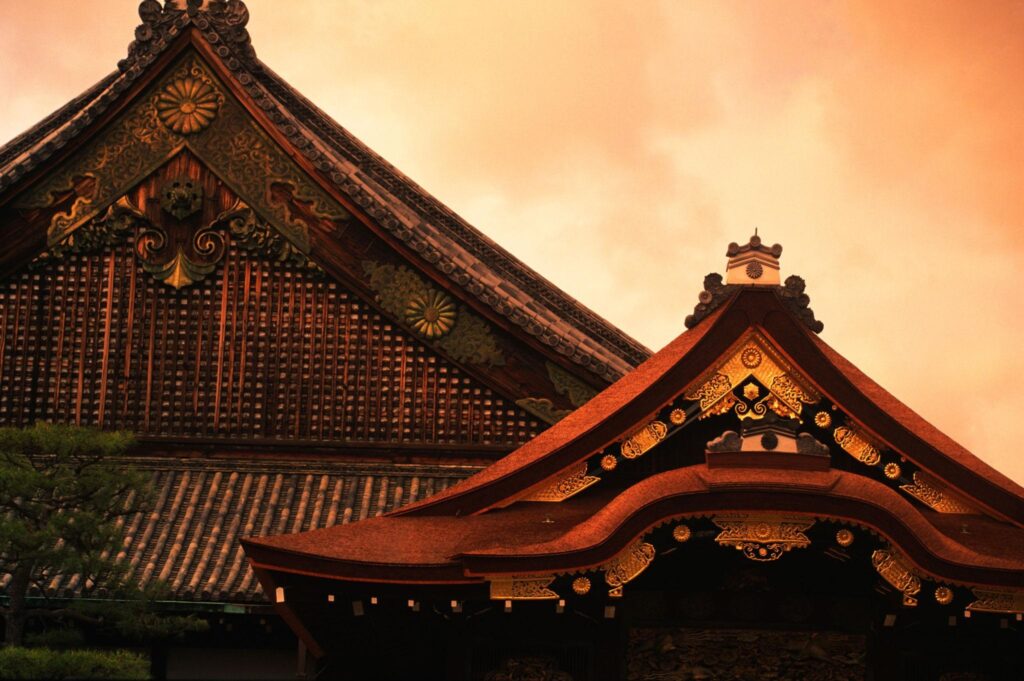
Kyoto is home to over 1,600 temples, reflecting its deep-rooted connection to Buddhism and Shintoism. These temples range from serene Zen gardens to grand, gilded pavilions, each telling its own story of devotion, artistry, and resilience. The temples in Kyoto are not only places of worship but also centers of cultural, artistic, and historical significance.
In spring, many temples are adorned with cherry blossoms, creating a magical atmosphere. Kiyomizu-dera and Daigo-ji are especially famous for hanami.
The temples come alive with vibrant red, orange, and yellow hues during autumn. Eikando and Tofuku-ji are must-visit spots for autumn foliage.
Several temples, including Kiyomizu-dera and Kodai-ji, hold seasonal night illuminations, enhancing their beauty and mystique.
Kyoto’s temples are not just tourist attractions; they are spiritual sanctuaries where visitors can connect with Japan’s cultural and religious heritage. They embody the principles of Zen Buddhism, Shintoism, and traditional Japanese aesthetics, offering lessons in mindfulness, simplicity, and harmony with nature.
Kyoto’s temples are a testament to the city’s rich history, artistic brilliance, and spiritual depth. Each temple tells a story of devotion and resilience, offering visitors an opportunity to step back in time and immerse themselves in Japan’s cultural heart. Whether you’re drawn to the shimmering beauty of Kinkaku-ji, the meditative calm of Ryoan-ji, or the vibrant trails of Fushimi Inari Taisha, Kyoto’s temples promise an unforgettable journey into the soul of Japan.
So pack your bags, respect the traditions, and get ready to explore the timeless treasures of Kyoto!
Distribution software has historically been built to record. Orders, invoices, stock movements, receipts — the systems that run distribution businesses are, at their core, extrem
Predictions about the future of any industry tend to be either too timid or too fanciful. The useful version sits in between: identify what is structurally constrained today, ident
Every distributor knows what needs to happen after a retailer says “I will pay on the fifteenth”. Someone should check on the fifteenth. In practice, in most distributi

Most explanations of AI collection software stay at the level of capability — it calls retailers, it captures commitments, it follows up. That is accurate and not especially usef
Ask a distributor how much money will come in next month and the honest answer is usually an estimate built on experience rather than evidence. The outstanding report shows what is
"Enjoyed this post? Don’t miss out on future updates – subscribe now to stay inspired and informed!"