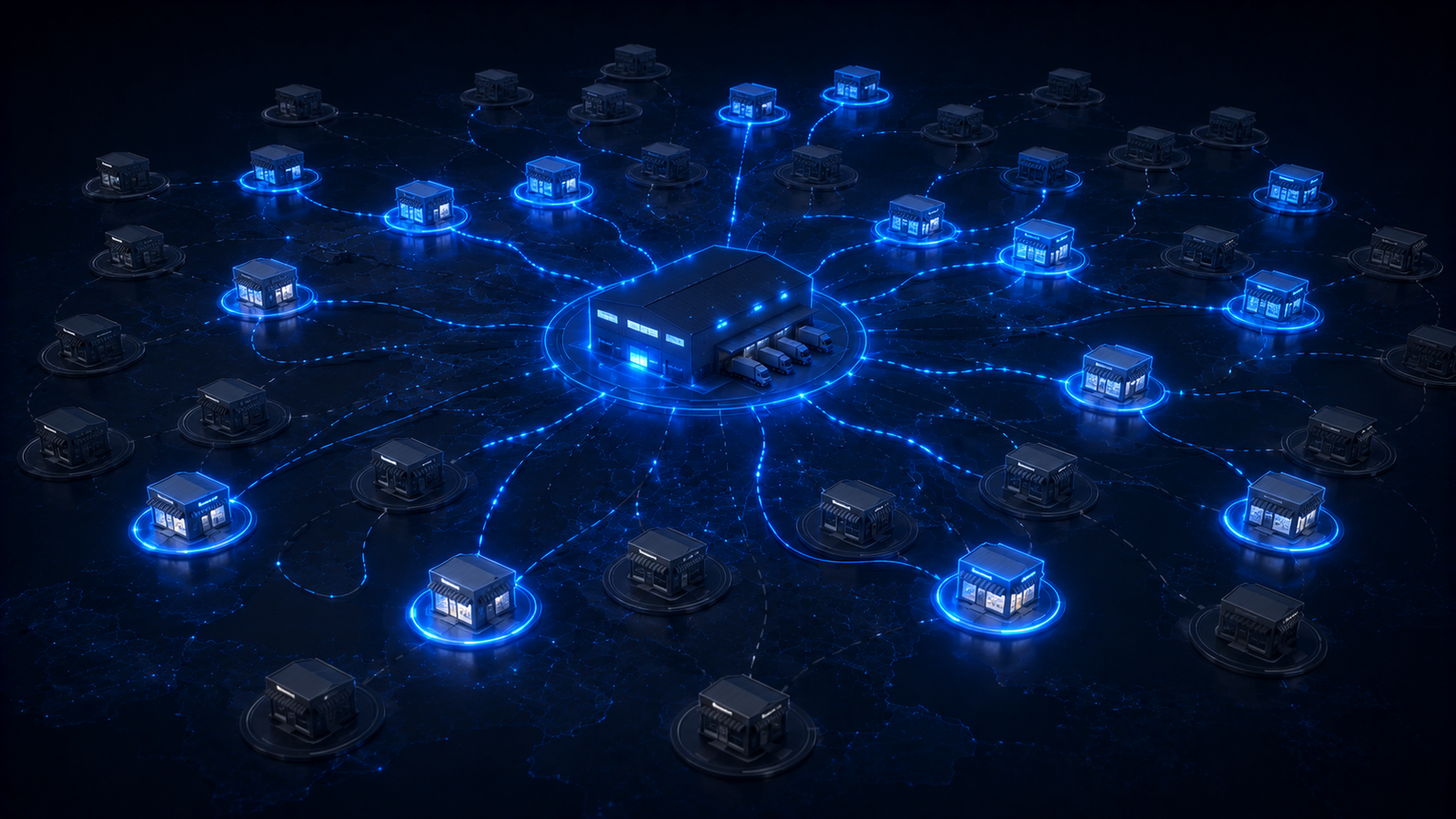
RIA: Building the Intelligent Operating Layer for Distribution
Distribution software has historically been built to record. Orders, invoices, stock movements, receipts — the systems that run distribution businesses are, at their core, extrem
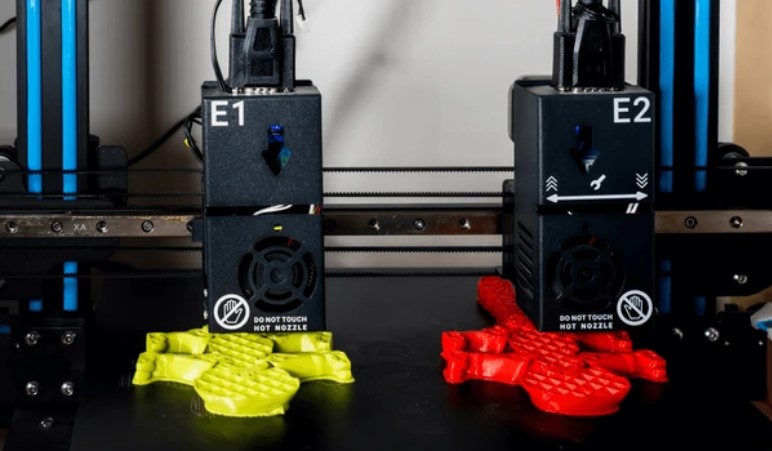
3D printing technology has evolved rapidly, offering users more flexibility, precision, and capabilities. Among the innovations is dual extrusion technology, a feature that has opened up new possibilities for hobbyists and professionals alike. Dual extruder 3D printers are equipped with two extruders, allowing for multiple filaments to be used simultaneously. This capability brings a whole new dimension to 3D printing, from multi-color creations to enhanced material combinations, improving both the quality and efficiency of prints.
In this blog, we’ll dive into how dual extrusion enhances printing, explain its types and working process, and explore whether it’s really worth investing in for your 3D printing projects.
Dual extrusion refers to a 3D printer’s ability to use two independent extruders simultaneously during the printing process. Each extruder can handle a different filament, enabling various possibilities such as:
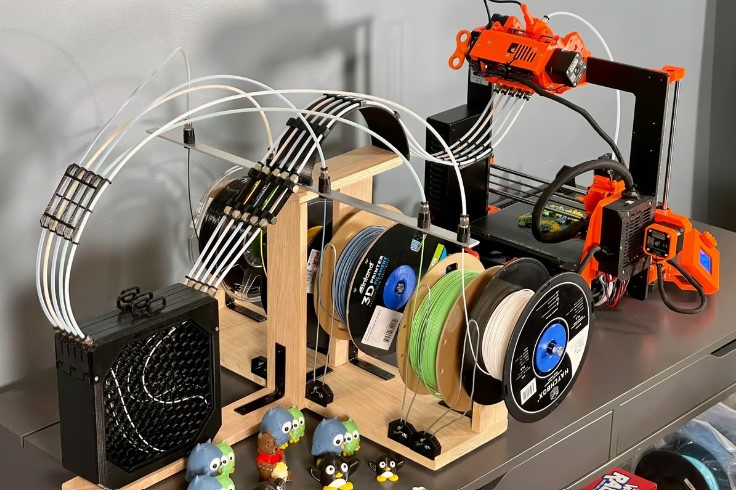
There are several types of dual extrusion setups in 3D printing, each with its own mechanism and advantages:
The answer to this question depends on your specific needs and goals as a 3D printer user. Dual extrusion offers significant advantages, but there are also considerations to keep in mind:
Advantages:
Disadvantages:


For hobbyists or professionals who want more creative control, the ability to print multi-material and multi-color models, and faster production times for complex prints, dual extrusion is absolutely worth it. However, if your primary need is for simple, single-material prints, a single-extruder printer might be more cost-effective.
Dual extrusion offers versatility and enhanced printing capabilities, making it a great choice for users looking to push the boundaries of what 3D printing can achieve. While the initial investment might be higher, the range of possibilities it offers in design, quality, and efficiency make it a worthy consideration for anyone looking to take their 3D printing projects to the next level.
Distribution software has historically been built to record. Orders, invoices, stock movements, receipts — the systems that run distribution businesses are, at their core, extrem
Predictions about the future of any industry tend to be either too timid or too fanciful. The useful version sits in between: identify what is structurally constrained today, ident
Every distributor knows what needs to happen after a retailer says “I will pay on the fifteenth”. Someone should check on the fifteenth. In practice, in most distributi
Most explanations of AI collection software stay at the level of capability — it calls retailers, it captures commitments, it follows up. That is accurate and not especially usef
Ask a distributor how much money will come in next month and the honest answer is usually an estimate built on experience rather than evidence. The outstanding report shows what is
"Enjoyed this post? Don’t miss out on future updates – subscribe now to stay inspired and informed!"