The Retailer’s Growth Partner: Why Choosing the Right Distributor Matters
Ask any successful two-wheeler spare-parts shop owner what really made their business grow. Most people expect the answer to be “a good location” or “lots of customers.” Th

If you run a distribution business, you have almost certainly been told in the last twelve months that AI can help you collect money faster. What is rarely explained is what an AI collection agent actually is, what it does during a working day, where it fits alongside the systems you already run, and — just as importantly — what it cannot do.
This guide answers those questions in plain business language. It is written for distributors, credit control managers and finance heads who need to evaluate the category properly rather than react to marketing claims.
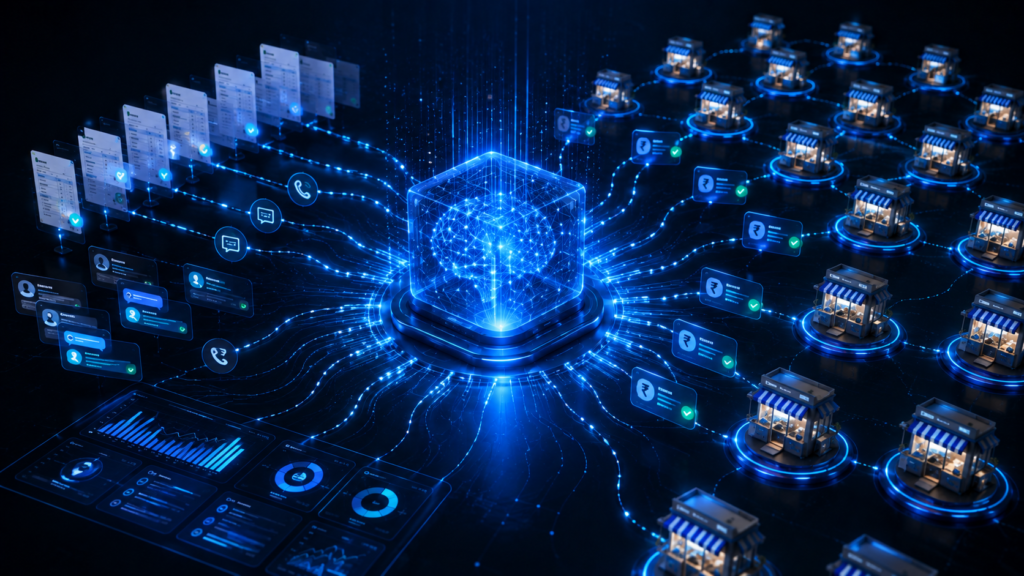
An AI collection agent is software that takes over the routine, repeatable portion of payment follow-up. It reads outstanding invoice data from your existing accounting system, decides which retailers should be contacted and in what order, places the call, holds a structured conversation in the retailer’s own language, records the payment commitment it obtains, follows up on schedule, and escalates the accounts that need a human being.
The word that carries the most weight in that definition is “agent”. A reminder tool sends a message. An agent pursues an objective across multiple steps and multiple days, and adjusts its behaviour based on what happens along the way.
Clearing away three common misconceptions makes the rest of the category much easier to evaluate.
Interactive voice response plays a recorded menu and waits for the caller to press a number. It is a routing mechanism. An AI collection agent initiates the call, understands spoken responses in natural language, and conducts a two-way conversation with a defined business objective.
Broadcast reminder tools send the same message to everyone on a list. They have no awareness of who has already promised to pay, who is disputing an invoice, or who has broken three commitments in a row. An AI collection agent treats each account as a distinct case with its own history and its own next best action.
The agent executes a policy; it does not set one. Decisions about credit limits, acceptable ageing, when to stop supply and when to write off remain firmly with the distributor. Any vendor suggesting otherwise should be treated with caution.
Almost every credible product in this category follows the same underlying sequence. Understanding it makes vendor comparison far more straightforward.
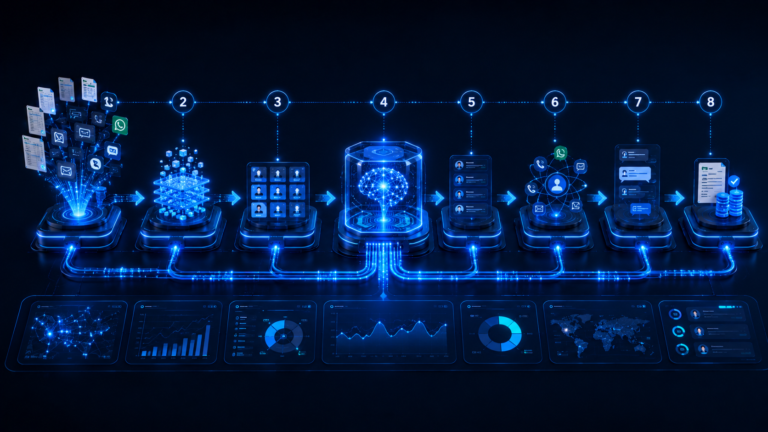
Outstanding invoices, ageing buckets, credit terms, contact numbers and payment history are brought in from the distributor’s accounting or ERP system. In the Indian distribution market this usually means a structured import from packages such as Marg, Tally or Busy. The critical requirement is that the distributor should not have to maintain a second set of records.
Each outstanding balance is resolved to a specific retail outlet, a verified contact number and a relationship history. This step sounds trivial and is not. Duplicate ledgers, outdated phone numbers and inconsistent outlet naming are the most common reasons a collection programme underperforms.
Not every overdue account deserves a call today. Prioritisation ranks accounts by outstanding amount, days past due, historical payment behaviour, prior commitments and the probability that a conversation will change the outcome. This is the layer that separates an intelligent system from an automated dialler.
The agent places the call, identifies itself clearly, states the outstanding position, and asks for a specific payment commitment. Good implementations conduct this conversation in the language the retailer is most comfortable with and keep the exchange short and businesslike.
The retailer’s response is converted into structured data — an amount, a date, a reason, or a dispute flag. This is the single most valuable output of the entire process, because it turns a conversation into something the business can plan around.
When a commitment date approaches, the agent returns. When a commitment is broken, it returns again with a different objective. This persistence, applied uniformly across thousands of accounts, is what human teams find hardest to sustain.
Every interaction updates the account record and the collections dashboard, so the current position across the network is visible at any moment rather than at month end.
Accounts that dispute the balance, refuse to commit, repeatedly break commitments or cannot be reached are routed to a human being with the full conversation history attached.
The most common question distributors ask is whether a retailer will accept a call from a machine. The honest answer is that it depends almost entirely on how the call is designed.
Conversations that work share a few characteristics. They are short. They identify the caller and the distributor immediately. They state the specific invoice and amount rather than speaking in generalities. They ask a direct question and then stop talking. And they accept a range of answers gracefully — including “not now”, “I have already paid” and “there is a problem with this invoice”.
Conversations that fail are the ones that try to sound human rather than be useful. Retailers are running businesses; they respond well to clarity and badly to theatre.
Retailers do not object to being called by a machine. They object to being called by a machine that wastes their time. |
An AI collection agent is not a replacement for the accounting system and is not a CRM. It occupies a layer that has historically been filled by people.
The practical implication is that adoption does not require replacing existing systems. That matters a great deal in distribution, where the accounting package is often deeply embedded in daily operations and switching it is not a realistic option.
Distributors assessing this category should press vendors on the following points.
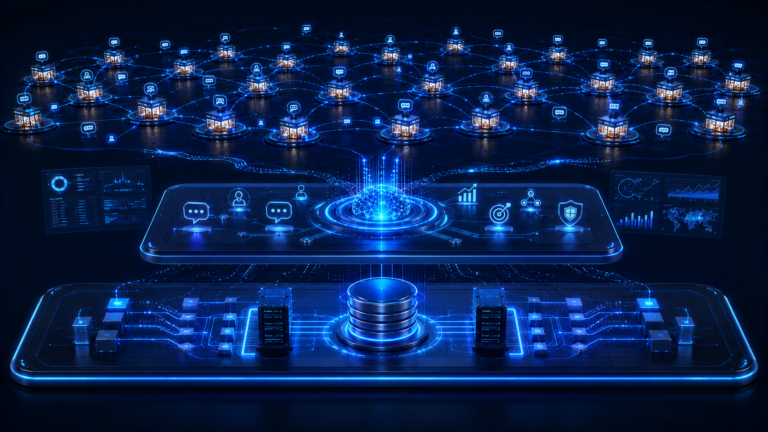
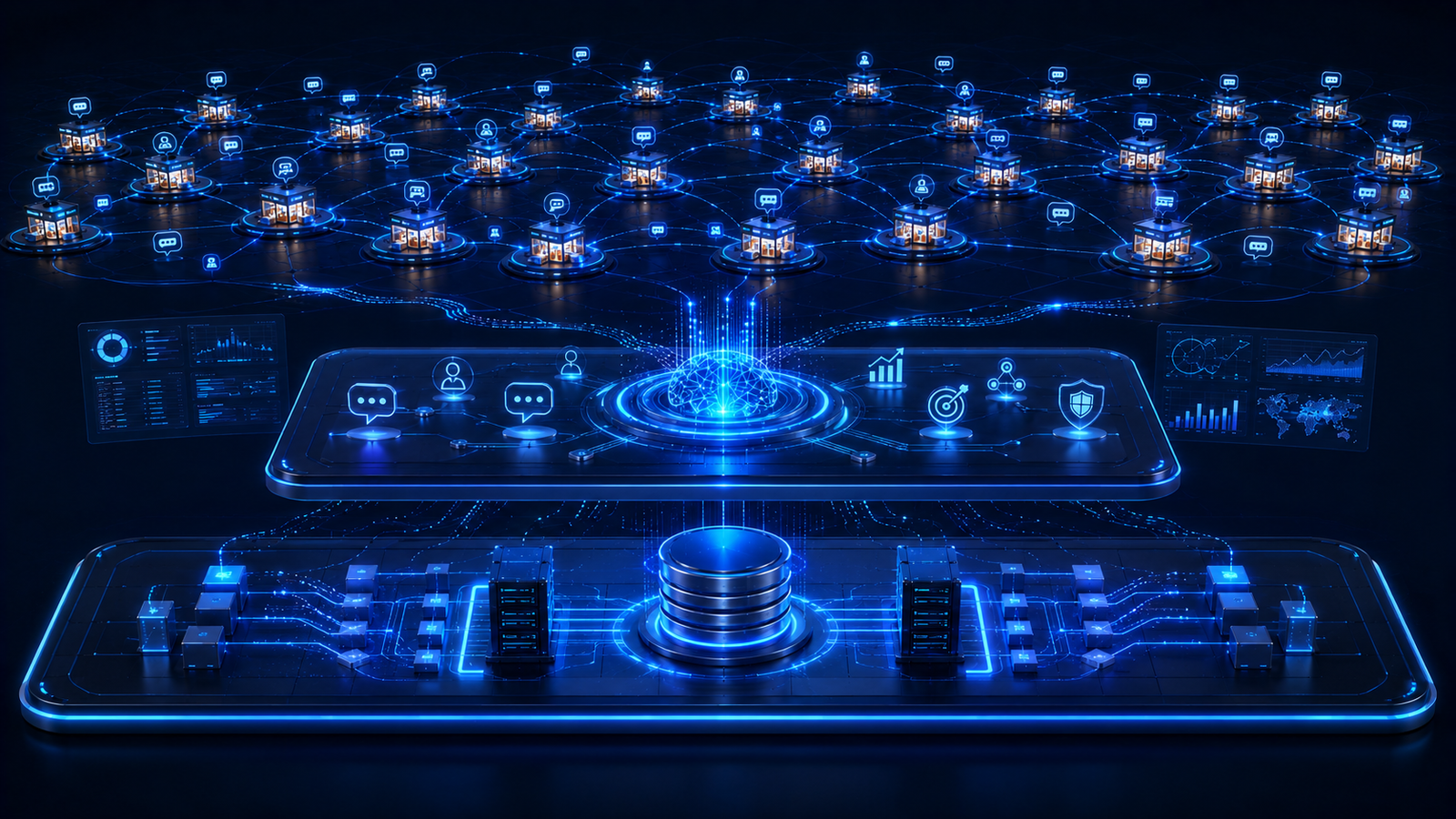
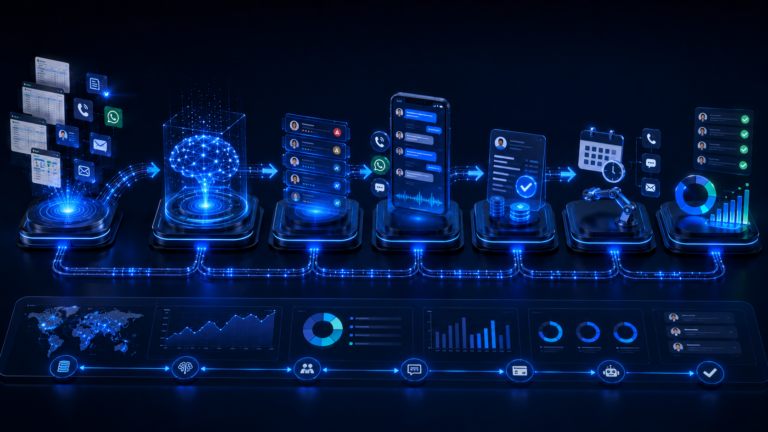
RIA is built around the view that collection is an intelligence problem first and a communication problem second. The sequence runs from retailer data, through an intelligence layer, into the AI conversation, then into recorded collection action, and finally into insight the distributor can act on.
Three design choices follow from that view. Ledger data is imported from the systems distributors already run rather than requiring parallel data entry. Conversations are conducted in the retailer’s own Indian language rather than forcing a common one. And every commitment is captured as structured data, so the distributor gets a forward view of expected receipts rather than a backward log of calls made.
Distributors frequently underestimate the preparation and overestimate the technology. A realistic implementation has four phases, and only one of them is about software.
This is the phase that determines whether the programme succeeds. Retailer master data has to be cleaned: duplicate ledger accounts merged, contact numbers verified, outlet names made consistent, and the mapping between a retail outlet and its invoices confirmed. In most distribution businesses this reveals problems nobody knew existed — outlets carrying two ledger codes, numbers belonging to employees who left years ago, and balances attributed to outlets that closed. This work typically takes longer than the technical setup and cannot be shortcut.
The distributor decides the operating rules: which ageing thresholds trigger contact, how frequently an outlet may be contacted, what the permitted calling windows are, which accounts are reserved for human handling, and at what point an account escalates. These are business decisions, and getting them wrong in either direction is costly — too aggressive irritates good customers, too passive defeats the purpose.
The sensible starting point is the segment of the ledger that currently receives no attention at all. The long tail of small balances is ideal, because coverage there is currently zero and there is very little to lose. Running a pilot on the most valuable accounts first is a common mistake; it puts the highest-stakes relationships in front of an unproven configuration.
Once conversation quality, language performance and commitment capture have been verified on the pilot segment, coverage extends. Tone, frequency and escalation thresholds are adjusted based on what the first cycles reveal about the retailer network’s actual behaviour.
A few patterns account for most disappointing outcomes in this category.
It is worth stating clearly what an AI collection agent will and will not change.
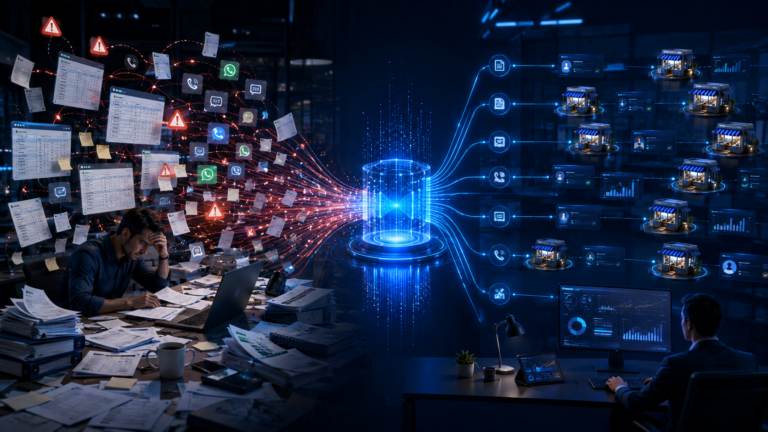
It will change the consistency and coverage of your follow-up. Every account that crosses a threshold gets contacted, every time, in the same professional manner, regardless of who is on leave. It will change your visibility, because commitments become data rather than remaining in individual phone histories. And it will change the shape of your collections team’s day, moving them from routine dialling to exception handling and negotiation.
It will not make a retailer pay who has no money. It will not resolve a genuine invoice dispute — it will surface one. It will not fix a broken credit policy, and it will not compensate for poor master data. Distributors with badly maintained retailer records should expect to spend real effort on data cleanup before they see the benefit, and any vendor who tells them otherwise is not being straight with them.
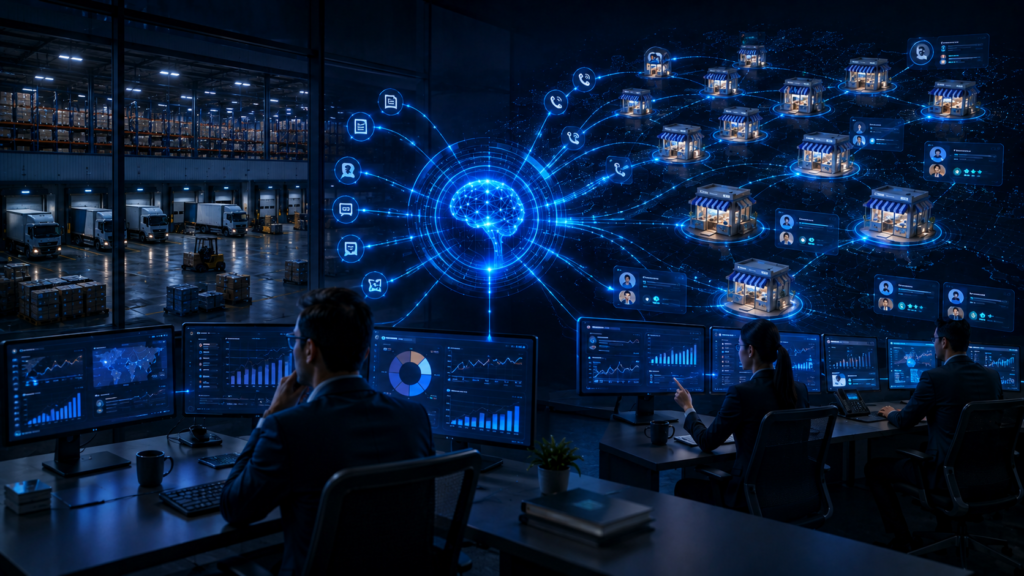
An AI collection agent is best understood as an operating layer rather than a tool. It sits between the system that records what retailers owe and the people who manage those relationships, and it takes responsibility for the high-volume routine work that has always been the constraint on doing collections properly.
For distributors, the significance is not that calls get automated. It is that the follow-up process becomes something that reliably happens rather than something that depends on available time. That is a meaningful change in how a distribution business runs, and it is available now rather than at some point in the future.






Ask any successful two-wheeler spare-parts shop owner what really made their business grow. Most people expect the answer to be “a good location” or “lots of customers.” Th
Hyderabad, September 13, 2026:The National Consumer Rights Commission (NCRC), Telangana, conducted a two-day voluntary Consumer Food Safety & Hygiene Inspection Initiative acro
Distribution software has historically been built to record. Orders, invoices, stock movements, receipts — the systems that run distribution businesses are, at their core, extrem
Predictions about the future of any industry tend to be either too timid or too fanciful. The useful version sits in between: identify what is structurally constrained today, ident
Every distributor knows what needs to happen after a retailer says “I will pay on the fifteenth”. Someone should check on the fifteenth. In practice, in most distributi
"Enjoyed this post? Don’t miss out on future updates – subscribe now to stay inspired and informed!"