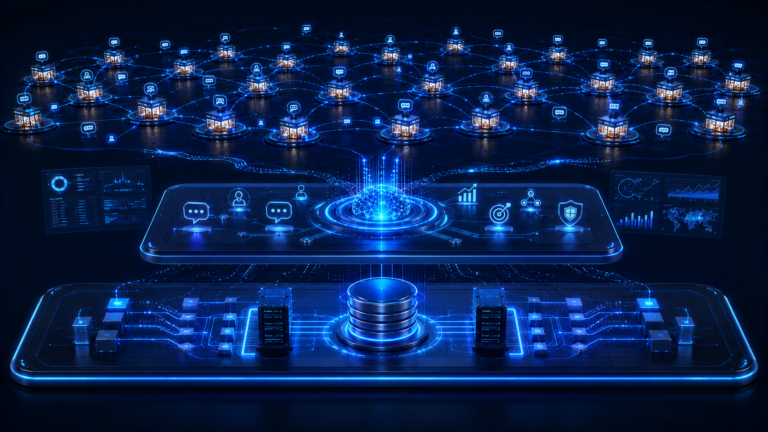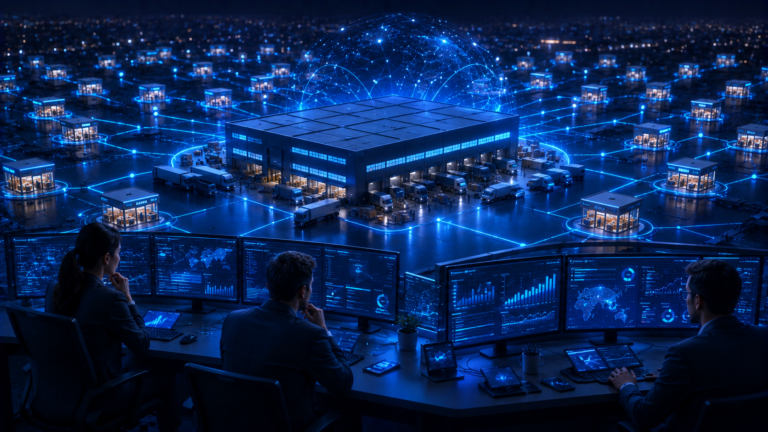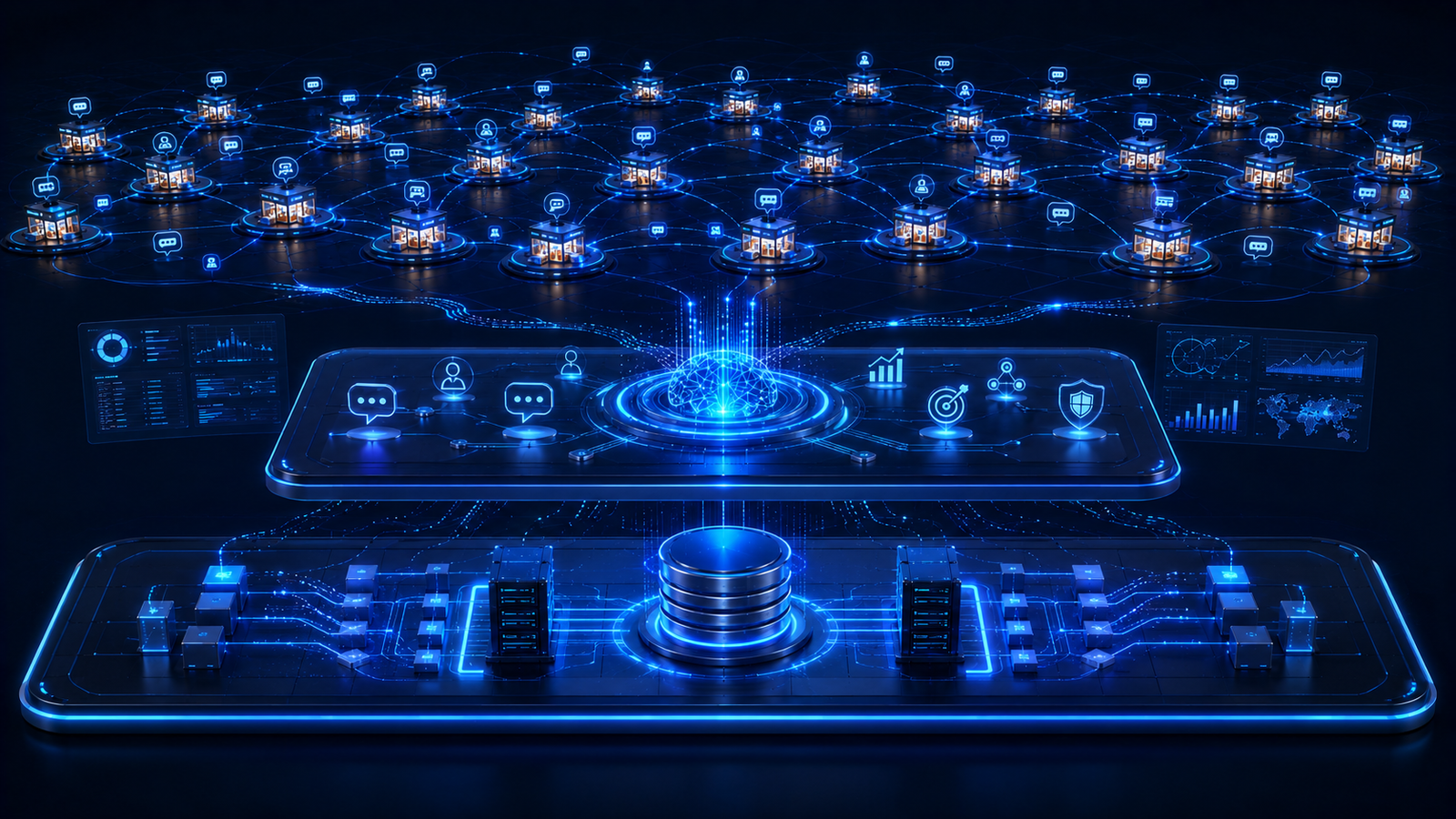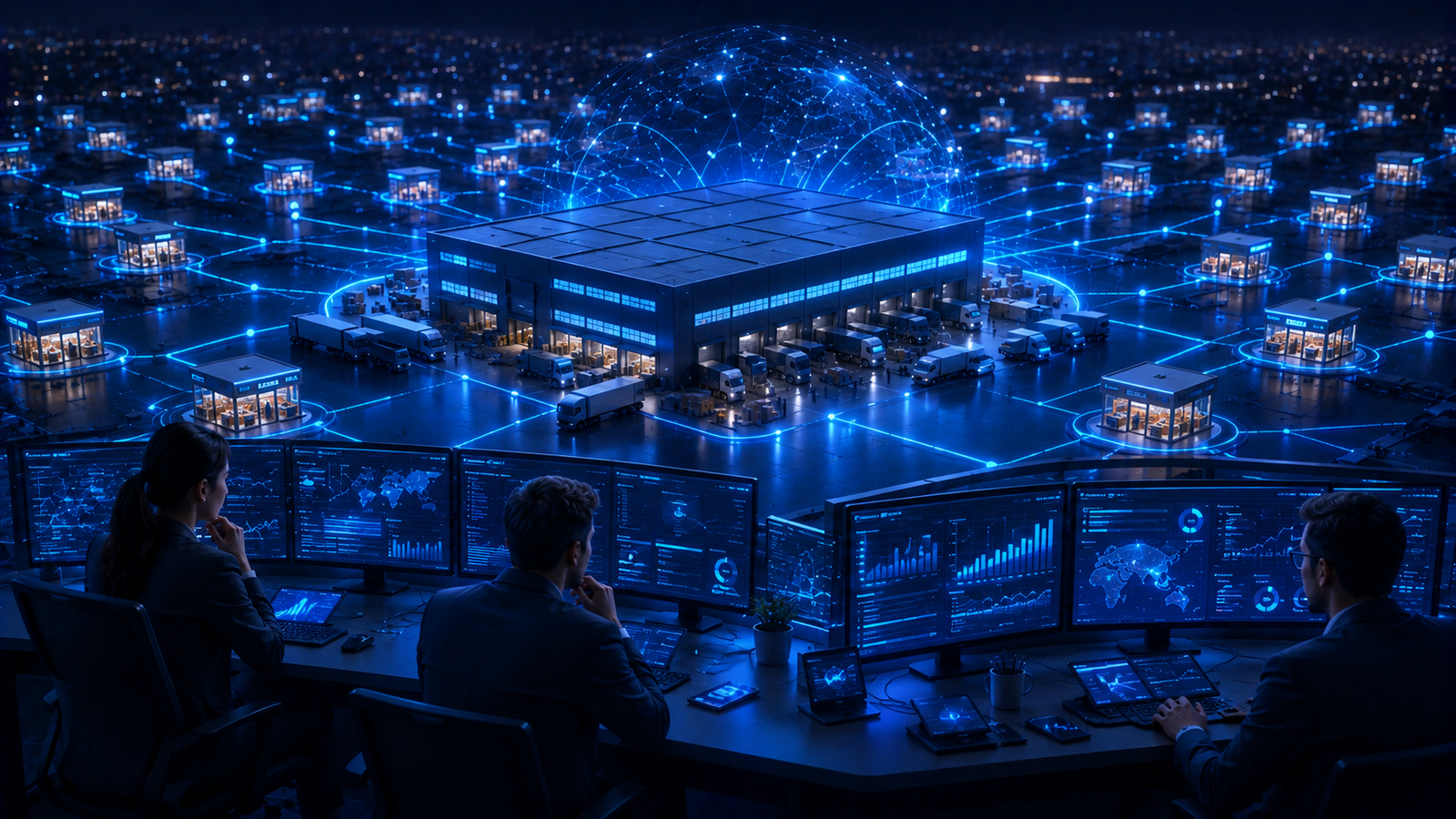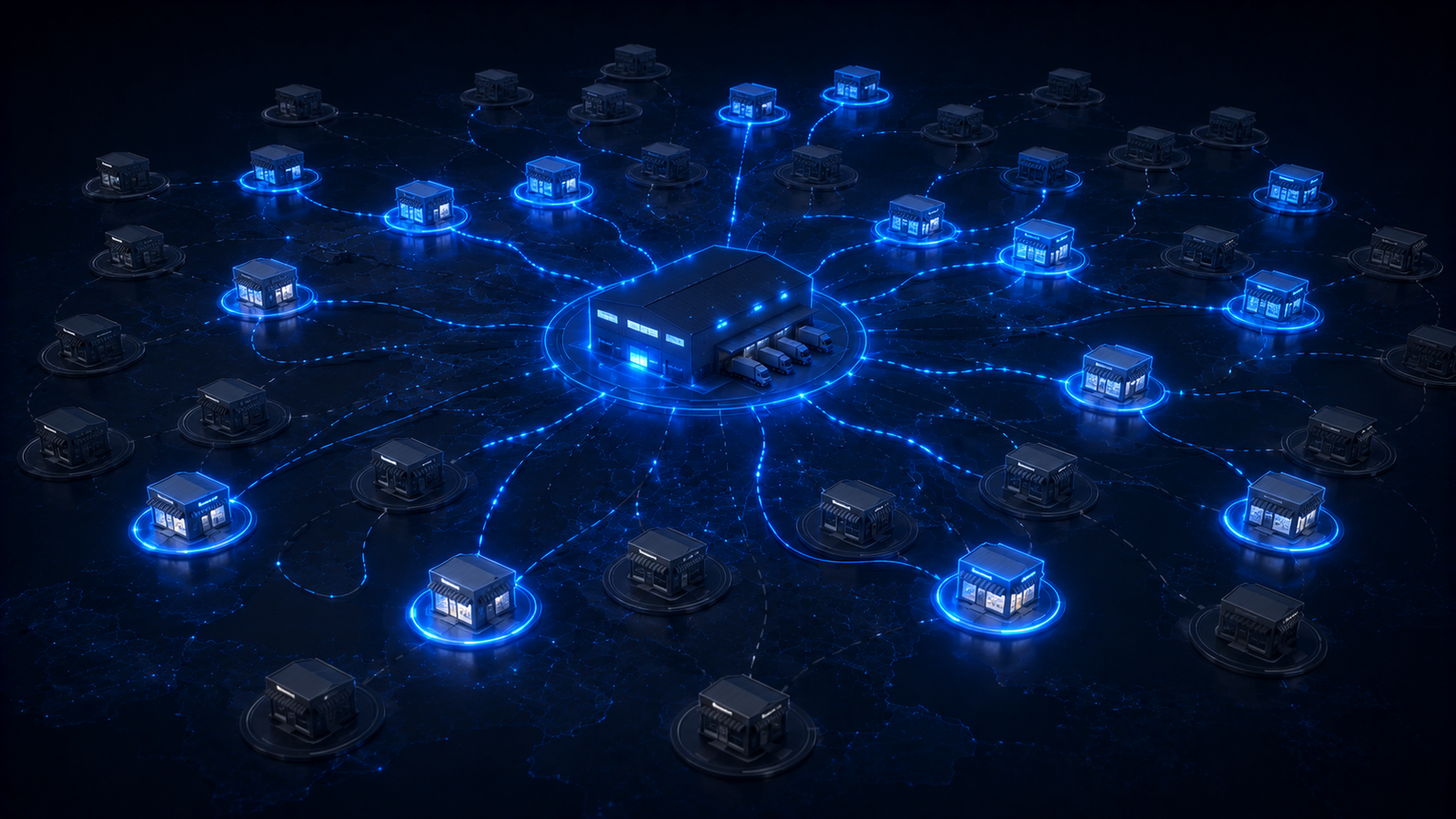
RIA: Building the Intelligent Operating Layer for Distribution
Distribution software has historically been built to record. Orders, invoices, stock movements, receipts — the systems that run distribution businesses are, at their core, extrem
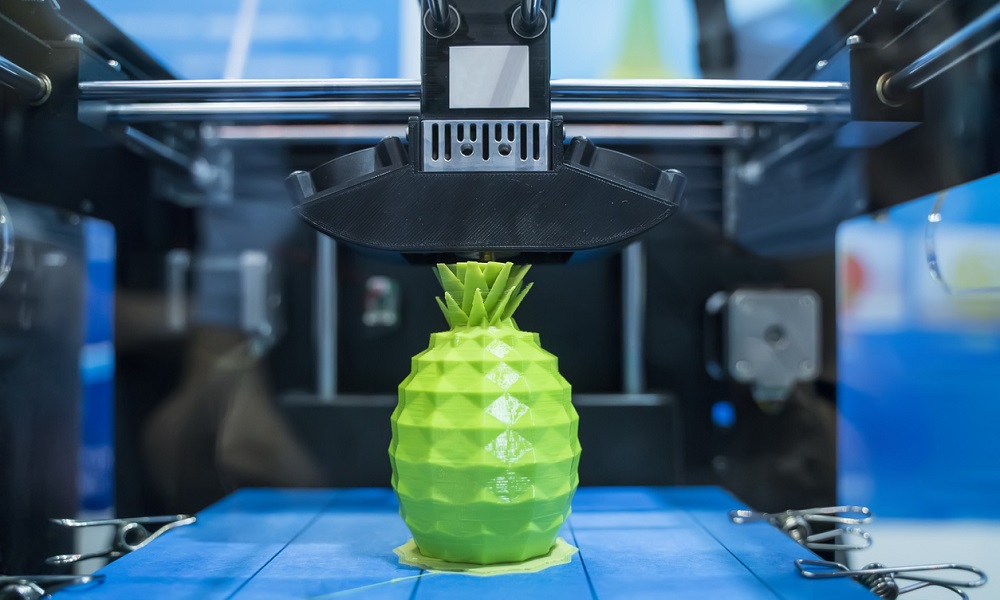
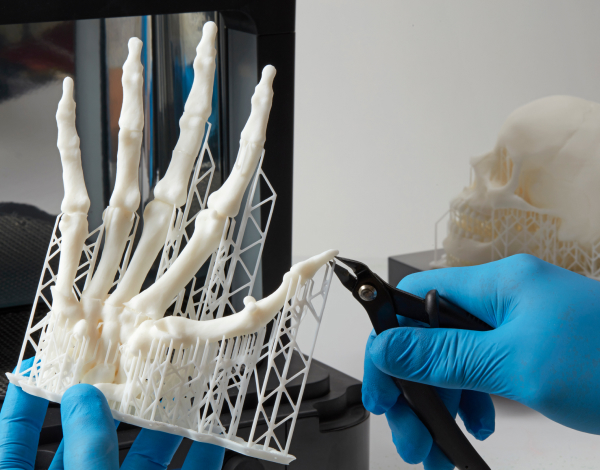
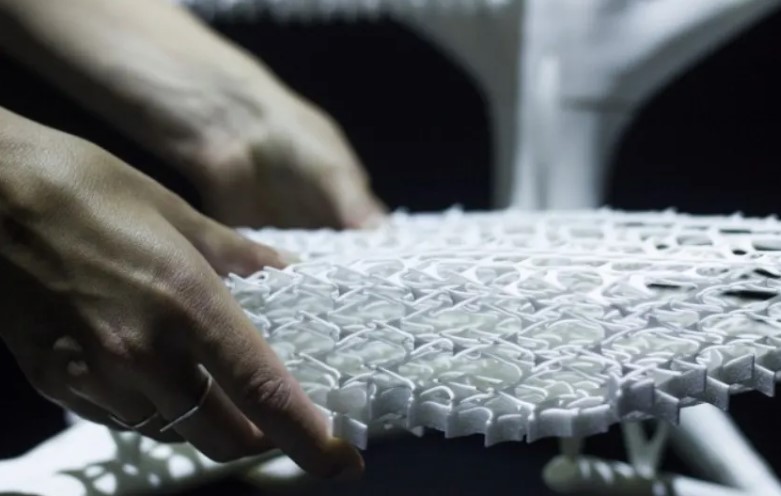
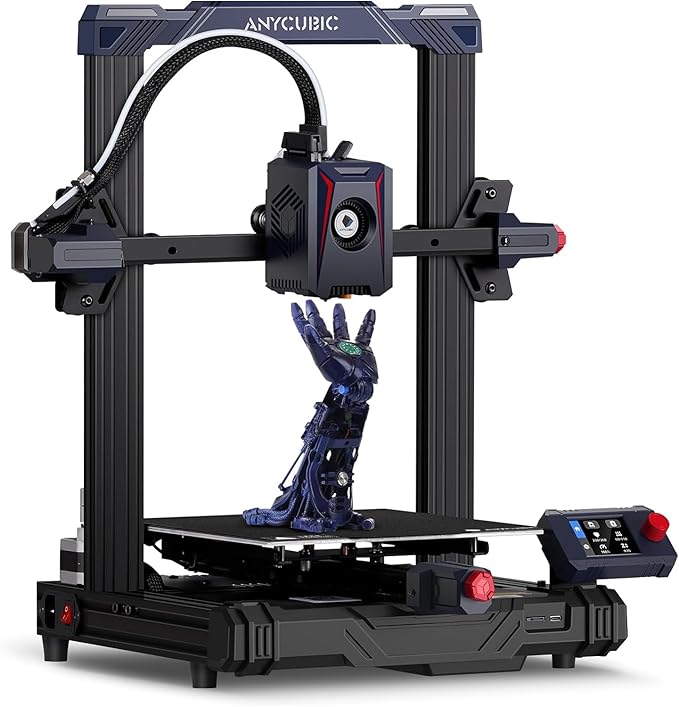
The rise of 3D printing, or additive manufacturing, has brought about significant changes in how products are designed, produced, and distributed. While the technology has been celebrated for its ability to reduce waste and energy consumption compared to traditional manufacturing methods, it’s important to understand that not all 3D printing technologies are created equal when it comes to their environmental impact. Let’s explore the environmental implications of different 3D printing technologies, including their benefits and potential drawbacks.
Environmental Benefits:
Environmental Drawbacks:
Environmental Benefits:
Environmental Drawbacks:
Environmental Benefits:
Environmental Drawbacks:
Environmental Benefits:
Environmental Drawbacks:
Environmental Benefits:
Environmental Drawbacks:
While 3D printing offers several environmental advantages over traditional manufacturing, such as reduced waste, lower material usage, and the ability to produce items on demand, it’s crucial to consider the specific technology and materials used. Each 3D printing method has its own set of environmental impacts, from energy consumption to material sustainability. To fully leverage the environmental benefits of 3D printing, it’s important to choose the appropriate technology for the task at hand, consider the life cycle of the materials used, and implement responsible waste management practices.
In the broader context, 3D printing holds the potential to revolutionize manufacturing by enabling more sustainable production practices. However, the industry must continue to innovate and prioritize environmental considerations to maximize its positive impact on the planet.
Distribution software has historically been built to record. Orders, invoices, stock movements, receipts — the systems that run distribution businesses are, at their core, extrem
Predictions about the future of any industry tend to be either too timid or too fanciful. The useful version sits in between: identify what is structurally constrained today, ident
Every distributor knows what needs to happen after a retailer says “I will pay on the fifteenth”. Someone should check on the fifteenth. In practice, in most distributi

Most explanations of AI collection software stay at the level of capability — it calls retailers, it captures commitments, it follows up. That is accurate and not especially usef
Ask a distributor how much money will come in next month and the honest answer is usually an estimate built on experience rather than evidence. The outstanding report shows what is
"Enjoyed this post? Don’t miss out on future updates – subscribe now to stay inspired and informed!"