Defining Spirituality and Religion
Religion is a structured system of beliefs, practices, and values often centered around the worship of a higher power or deity. It usually includes a specific set of doctrines, rituals, and codes of behavior that guide adherents in how they should live. Religion is typically organized, community-oriented, and institutional, with many of its principles being faith-based and passed down through generations.
Spirituality, on the other hand, is a more personal and individual pursuit of finding meaning and connection. It’s less about following a prescribed set of beliefs and more about seeking inner peace, understanding one’s purpose, and connecting with a higher reality in a personal way. Spirituality is often abstract, flexible, and open-ended, allowing individuals to shape their practices and beliefs as they see fit.
Key Differences Between Spirituality and Religion
1. Structure
One of the most noticeable distinctions is that religion is more structured than spirituality. Religions come with specific doctrines, practices, and hierarchies. These structured elements include sacred texts, designated places of worship, organized leadership, and defined rituals and festivals. For example, Christianity, Islam, and Judaism each have holy books, places of worship, and spiritual leaders who provide guidance to their followers.
Spirituality, however, is more flexible and individualistic. It doesn’t require adherence to a particular institution or dogma, nor does it mandate specific rituals or texts. This open structure allows individuals to define their own spiritual practices and beliefs, making spirituality more adaptable to personal exploration and less bound to a collective framework.
2. Practice
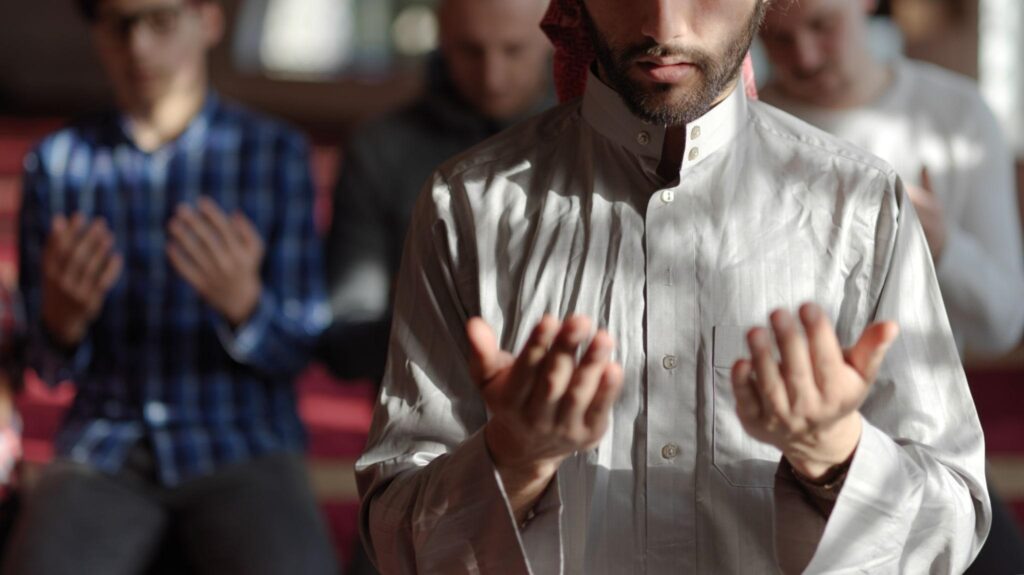
Religious practice generally requires following a set of rules, rituals, and traditions that have been established over centuries. This might include praying at certain times, attending religious services, fasting, observing holy days, or participating in specific ceremonies. These rituals serve to reinforce the values and beliefs of the religion while fostering a sense of community among believers.
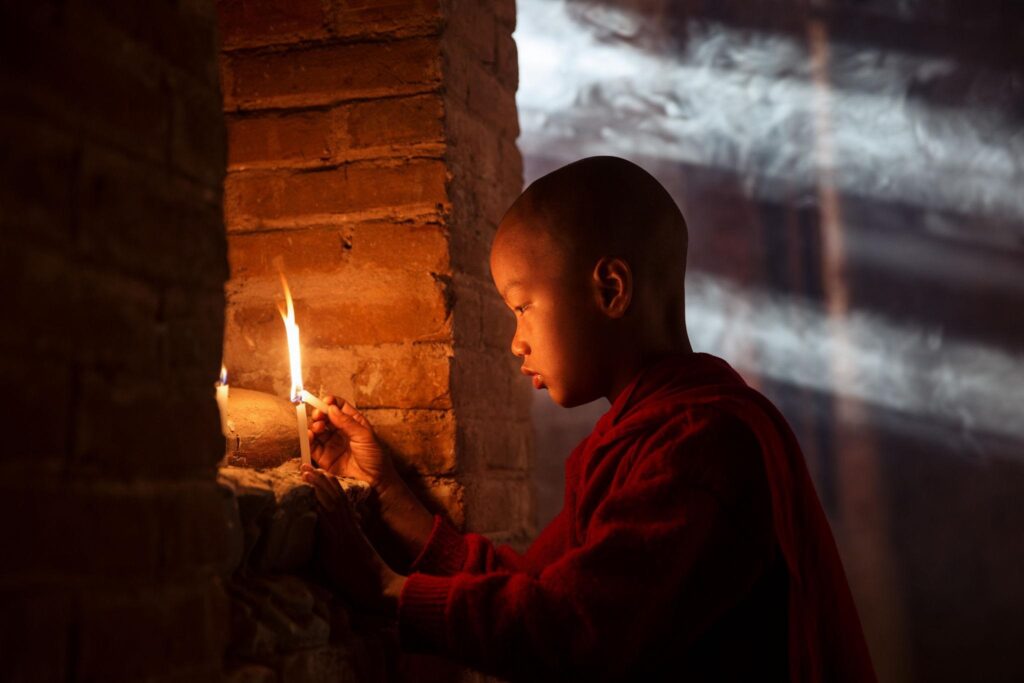
Spirituality, on the other hand, is less defined by rules and rituals and more focused on personal experience and introspection. For instance, a person might meditate, spend time in nature, or engage in creative practices as a form of connecting with their inner self. Spiritual practices are often more abstract and personalized, allowing for creative exploration of one’s connection to the world and beyond.
3. Focus
Religion typically has an institutional focus, especially in many Abrahamic traditions like Christianity, Judaism, and Islam, which emphasize worship of a deity or deities, moral codes, and community life. In these faiths, the collective experience and shared beliefs provide both structure and support, reinforcing societal values and ethical standards.
Spirituality’s focus is often more centered on the human spirit and individual soul, aiming to cultivate a deep personal connection with oneself, others, and a broader sense of existence. Spirituality leans toward introspection and exploration of the inner self, which often leads to a sense of unity with the world or universe, rather than adherence to an institution or community.
4. Goals
Religion serves several societal functions, such as promoting social unity, stability, and continuity across generations. It helps create a sense of belonging and provides moral and ethical guidelines for behavior within a community, thus contributing to social cohesion.
In contrast, the goal of spirituality is more personal and introspective. It revolves around finding a meaningful connection with something larger than oneself, seeking inner peace, understanding one’s purpose, and transcending everyday life. Spirituality is often about self-discovery, personal growth, and cultivating positive emotions.
5. Emotions
Both spirituality and religion can foster positive emotions, but the emotions linked with spirituality are typically more peaceful, abstract, and self-centered. Practicing spirituality can lead to feelings of peace, awe, contentment, gratitude, and acceptance, which stem from internal reflection and personal growth.
Religious experiences also evoke positive emotions, but these emotions are often communal, such as a sense of belonging, fulfillment, and purpose. Religion provides comfort in times of difficulty and hope for the future, often connecting these emotions to a shared belief system and a collective sense of identity.
Similarities Between Spirituality and Religion
While the differences between spirituality and religion are significant, the two also share important similarities:
- Both Seek Meaning: At their core, spirituality and religion are both about finding purpose, meaning, and understanding in life. They help people address life’s big questions, like “Why are we here?” and “What happens after we die?”
- Connection to Something Greater: Both spirituality and religion encourage connection to a higher reality, whether that’s a deity, universal consciousness, or the interconnectedness of all life.
- Ethical Guidance: Both provide a framework for understanding right and wrong, encouraging individuals to act in ways that are compassionate, just, and honorable.
- Emotional Well-being: Spirituality and religion can both be sources of comfort and strength, offering support during difficult times, a sense of hope, and guidance for personal growth and resilience.
- Path to Awakening: Spirituality and religion offer pathways for personal awakening and transformation. They can guide individuals toward a deeper understanding of themselves, their purpose, and the world around them.
The Modern Perspective on Spirituality and Religion
In today’s world, many people view spirituality and religion as complementary yet distinct approaches to seeking meaning and understanding in life. Society has become more accepting of individual expressions of belief, allowing people to define their own paths, whether through organized religion, personal spirituality, or a blend of both.
1. Spiritual But Not Religious (SBNR) Movement
The SBNR movement reflects a growing trend where individuals identify as spiritual but not affiliated with a particular religion. Many people feel a need for spiritual exploration but prefer a path that isn’t bound by religious dogma or institutional affiliations. This approach values personal experience, introspection, and the freedom to draw insights from multiple traditions and beliefs.
2. Interfaith and Inclusive Perspectives
Many religious institutions have also become more inclusive, embracing interfaith dialogue and exploring spiritual practices beyond traditional doctrines. This modern perspective encourages cooperation, respect, and understanding between different religions and spiritual paths, fostering a more inclusive view of belief systems worldwide.
3. Integrative Approaches
Increasingly, people are blending spirituality and religion, drawing from multiple sources to create a more integrative approach to meaning. A person might attend religious services while also engaging in personal spiritual practices like meditation, mindfulness, or yoga, showing how fluid the boundaries between spirituality and religion can be in the modern world.
4. Science and Spirituality
With advancements in psychology, neuroscience, and quantum physics, the intersection of science and spirituality is a growing area of exploration. Modern perspectives show that spirituality can be understood as part of human psychology and well-being, with studies linking spiritual practices to reduced stress, improved mental health, and greater life satisfaction.
Choosing Your Path: Religion, Spirituality, or Both?
Choosing between spirituality and religion, or integrating elements of both, is a highly personal journey. It depends on your beliefs, values, and preferences for structure, community, and individual exploration. Whether you resonate more with the organized rituals and communal nature of religion or the open-ended and personal exploration of spirituality, both paths offer valuable ways to connect with something larger than yourself and find purpose in life.