The Womb: A Sacred School of Sanskaras
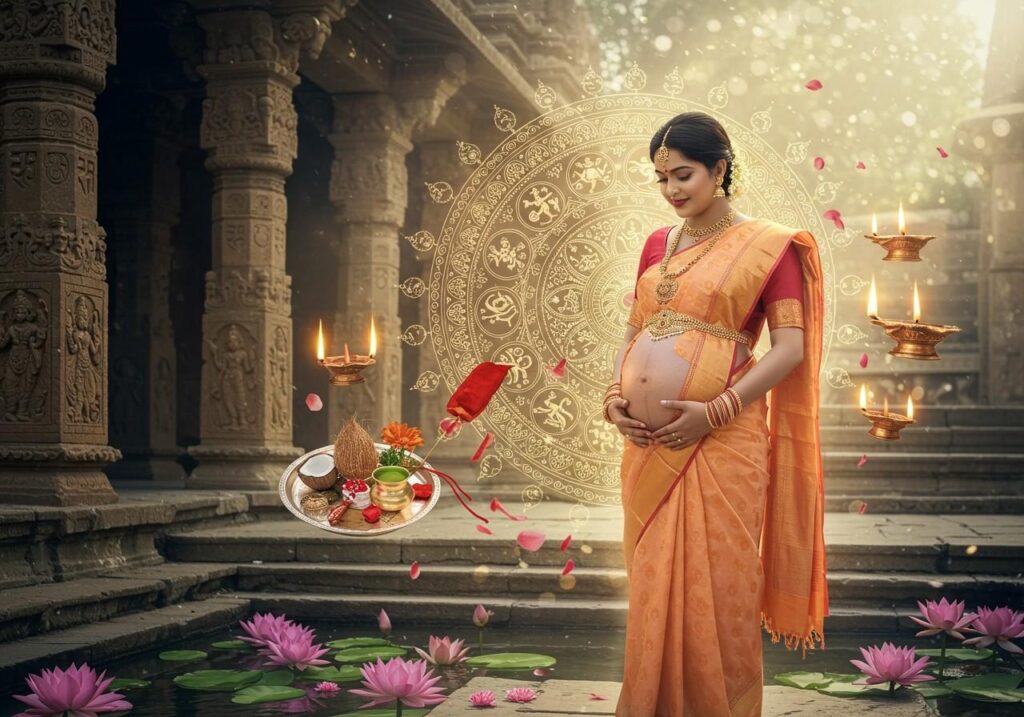
Hindu scriptures and ancient Ayurvedic texts describe the womb as a “garbha griha”, a temple in which the divine soul temporarily resides before entering the world. Just like a temple must be sanctified before a deity is installed, a mother is encouraged to create a spiritually vibrant and pure inner environment during pregnancy.
It is believed that a child in the womb can hear, feel, and absorb the emotional and mental state of the mother. Thoughts of love, music of devotion, conversations filled with wisdom, and prayers offered sincerely all become part of the child’s early consciousness. Through Garbh Sanskar, a mother consciously imparts virtues like truth, compassion, humility, and faith, even before the baby sees the light of the world.
Truth (Satya), Ahimsa, and Bhakti: The First Lessons
These three core Hindu values are not just ethical ideals; they are the pillars of a dharmic life.
1. Truth (Satya)
By speaking and living truthfully during pregnancy, the mother begins nurturing integrity in the child. Speaking with honesty, avoiding gossip or lies, and reading scriptures like the Ramayana or Bhagavad Gita helps imprint truth as a core value.
2. Ahimsa (Non-Violence)
Ahimsa is more than avoiding physical harm—it also includes non-violence in thoughts and speech. A calm, forgiving, and compassionate mindset in the mother nurtures emotional stability and empathy in the child. Avoiding anger, conflict, and violence—especially during pregnancy—helps the child form a peaceful and kind temperament.
3. Bhakti (Devotion)
Daily prayers, chanting mantras, attending satsangs, and listening to spiritual music can profoundly shape a child’s spiritual foundation. The stories of Prahlad and Abhimanyu are examples from Hindu epics that emphasize how unborn children can develop deep spiritual awareness while still in the womb.
Practices of Garbh Sanskar
- Listening to Vedic Mantras and Bhajans (e.g., Vishnu Sahasranama, Hanuman Chalisa)
- Reading Scriptures and Positive Literature
- Chanting and Meditation (for both mental peace and spiritual vibration)
- Sattvic Diet (pure, plant-based food that affects the energy of both mother and child)
- Avoiding Negative Stimuli (violence in media, loud arguments, toxic conversations)
- Connection with Nature (walking, praying, gratitude for creation)
Pros of Practicing Garbh Sanskar
✅ Builds a Strong Emotional Bond between mother and child even before birth
✅ Shapes Character Early—cultivating values like compassion, honesty, and patience
✅ Promotes Peaceful Pregnancy by reducing stress and anxiety through spiritual practices
✅ Supports Holistic Development—mental, emotional, and spiritual growth
✅ Instills Cultural and Spiritual Identity from the very beginning
✅ Improves the Mother’s Own Well-being—prayer, mindfulness, and sattvic living benefit her too
Cons / Challenges in Modern Times
❌ Lack of Awareness – Many modern parents are unaware of this ancient science
❌ Busy Lifestyles – Career pressures and modern distractions may prevent consistent practice
❌ Lack of Support Systems – Nuclear families often miss the spiritual guidance of elders
❌ Skepticism or Misunderstanding – Some may view Garbh Sanskar as unscientific or outdated
❌ Commercialization of Garbh Sanskar – Diluting its spiritual core for profit in some programs