Understanding Sexual and Reproductive Health and Rights (SRHR): A Path to Empowering Women’s Health and Dignity
Sexual and reproductive health and rights (SRHR) are fundamental to the well-being, dignity, and autonomy of individuals. At its core, SRHR encompasses physical, emotional, mental, and social health in relation to sexuality and reproduction. These rights ensure that people, particularly women, have the freedom to make informed decisions about their bodies, express their sexuality safely, and access necessary services and information.
In this blog, we’ll explore the concept of SRHR, its critical importance in promoting gender equality and human rights, and the need for increased awareness and advocacy around women’s health rights and access to healthcare services. We will also discuss the significant role that SRHR plays in empowering women and fostering societal development.
What is SRHR?
Sexual and reproductive health and rights (SRHR) are a combination of health services, rights, and freedoms that allow individuals to make autonomous decisions regarding their sexual and reproductive lives. SRHR acknowledges that sexuality is a key part of human experience and well-being, and encompasses the following core principles:
- Expressing Sexuality Safely and Positively: Every individual has the right to express their sexuality in a way that is safe, consensual, positive, and dignified. This includes protection from sexual violence, coercion, and exploitation.
- Deciding If, How, and When to Have Children: SRHR ensures that individuals have the freedom to make decisions about family planning, including when to have children, how many children to have, and the methods they choose for contraception.
- Accessing Services, Care, and Information: SRHR promotes access to sexual and reproductive healthcare services, including contraceptives, family planning, maternal care, safe abortion (where legal), and treatment for sexually transmitted infections (STIs). It also emphasizes the importance of providing accurate, comprehensive sexual education.
- Making Autonomous Decisions: Individuals should have the autonomy to make decisions about their sexual and reproductive health without coercion, fear, or stigma. This includes the right to consent to or refuse any medical procedures, including sterilization, contraception, and abortion.
SRHR is deeply connected to several fundamental human rights, including:
- The right to life
- The right to health
- The right to privacy
- The right to education
- The right to be free from torture and inhumane treatment
- The prohibition of discrimination
These rights must be upheld for everyone, regardless of gender, sexual orientation, socio-economic status, or cultural background.
Why SRHR is Essential for Women’s Health
SRHR is particularly critical for women’s health and empowerment because it addresses several key areas that affect women’s lives, such as sexual health, reproductive freedom, and access to safe healthcare services. Here are some of the reasons why SRHR is essential for women’s health:
1. Promoting Maternal Health and Reducing Mortality
Access to maternal healthcare services, including prenatal, childbirth, and postnatal care, significantly reduces the risks associated with pregnancy and childbirth. Maternal mortality remains a pressing issue in many developing countries, largely due to a lack of access to skilled health professionals and healthcare facilities. Ensuring that women have access to quality maternal healthcare services is crucial for saving lives and preventing long-term health complications.
2. Access to Safe Contraception and Family Planning
Having access to contraceptives allows women to control their reproductive choices, prevent unintended pregnancies, and space births in a way that is healthier for both mother and child. Without access to contraception, women are often left vulnerable to high-risk pregnancies and unsafe abortions, both of which can have serious health consequences.
3. Combatting Sexual Violence and Gender-Based Violence
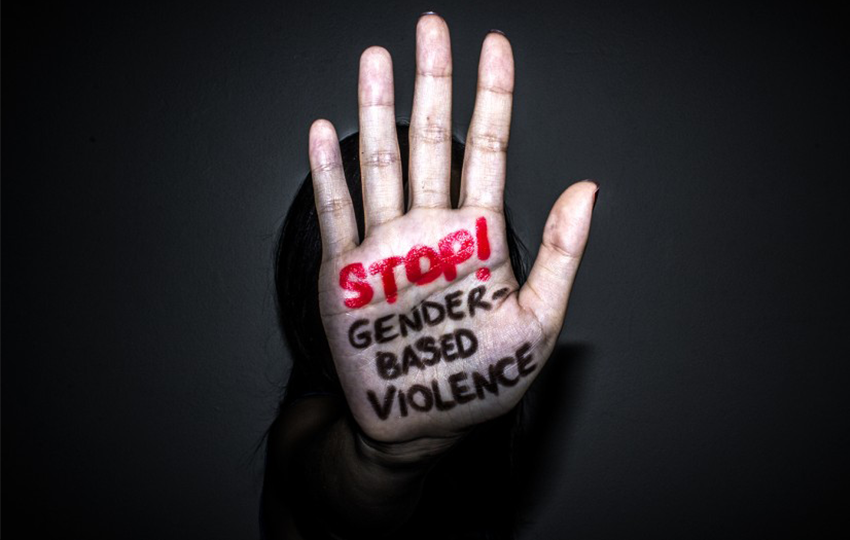
SRHR advocates for the right to be free from sexual violence, coercion, and exploitation. Ensuring that women have access to legal and medical support in cases of sexual violence is critical for their physical and emotional recovery. SRHR also includes efforts to raise awareness about the harmful effects of gender-based violence and promote gender equality.
4. Protecting Women’s Autonomy and Bodily Integrity
Women have the right to make autonomous decisions about their own bodies, free from coercion, discrimination, or harmful practices such as forced sterilization, child marriage, and female genital mutilation (FGM). Respecting women’s autonomy is crucial to upholding their dignity and human rights.