Pregnancy Is Power: How Hindu Women Shape Future Generations
In the sacred landscape of Hindu philosophy, pregnancy is not merely a biological event—it is a transformative, spiritual, and deeply societal act. It is a symbol of Shakti, the


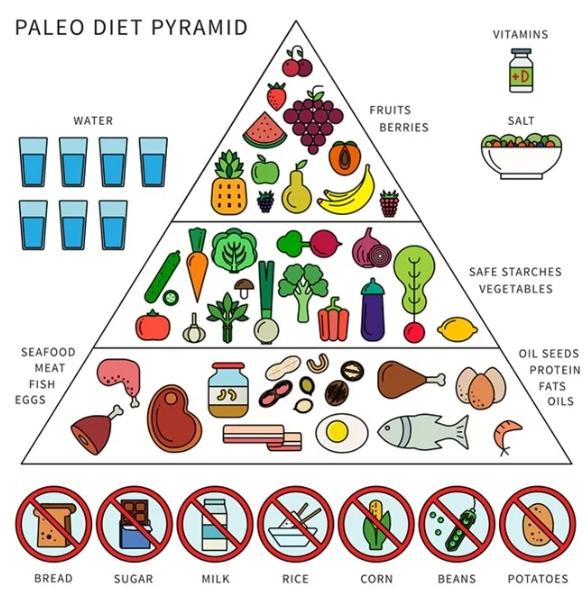
The Paleo diet, also known as the Paleolithic diet, Stone Age diet, hunter-gatherer diet, or cave man diet, is based on the types of foods presumed to have been eaten by early humans during the Paleolithic Era, which lasted from approximately 2.5 million to 10,000 years ago. The modern Paleo diet includes foods that humans could have obtained through hunting and gathering, such as fruits, vegetables, lean meats, fish, eggs, nuts, and seeds. It excludes foods that became common with the advent of agriculture, such as grains, legumes, and dairy products.
The Paleo diet aims to align modern eating habits with the dietary patterns of early humans, under the premise that our genetics are better suited to such a diet. It suggests that the agricultural revolution introduced dietary changes that our bodies have not fully adapted to, potentially contributing to contemporary health issues like obesity, diabetes, and heart disease.
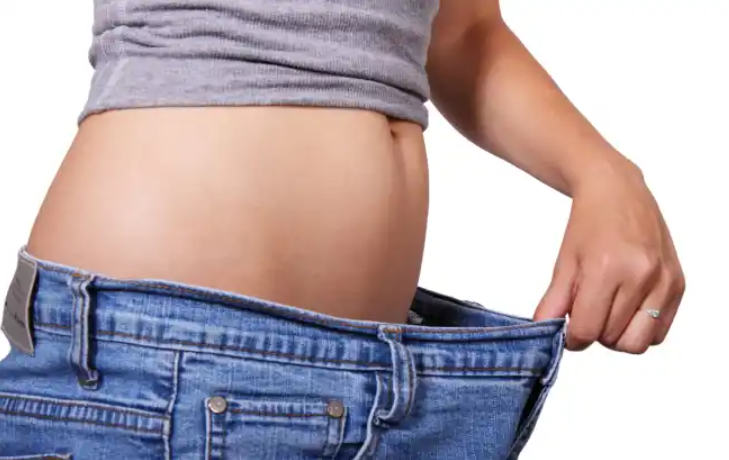
The primary success of the Paleo diet stems from replacing processed foods with whole, nutrient-dense options. By eliminating high-calorie, high-sugar, and high-fat processed foods, the diet aims to promote weight loss, detoxification, and prevention of obesity-related diseases.
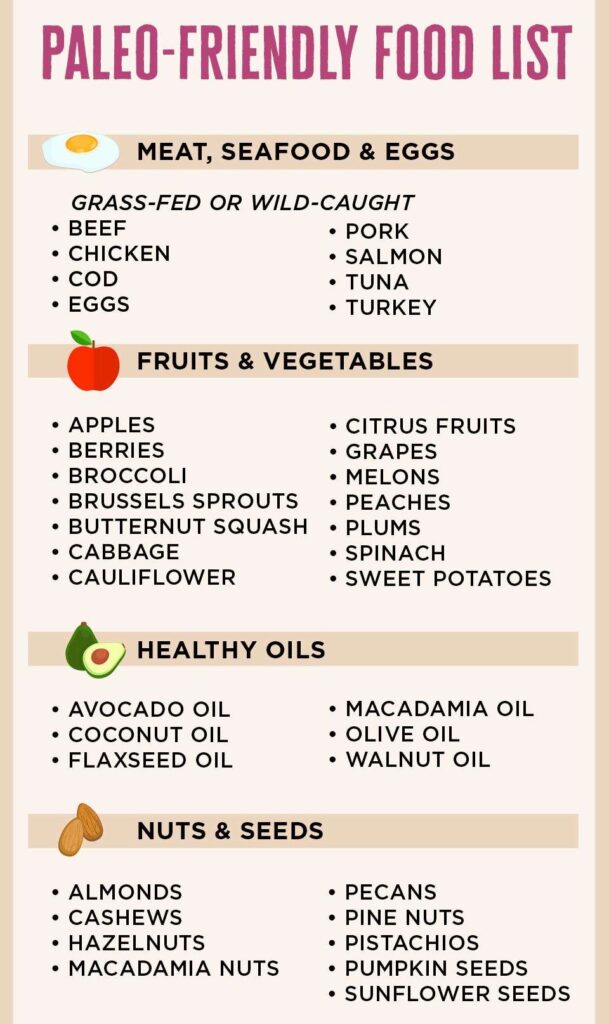
The Paleo diet prioritizes whole, unprocessed foods, typically with a macronutrient distribution of about 35% carbohydrates, 35% fats, and 30% proteins. Allowed foods include:
Paleo-friendly products, such as baking blends, crackers, breads, muffins, and cookies made with coconut and almond flour and natural sweeteners like dates and monk fruit, are also included.
The diet excludes several commonly consumed foods and ingredients, such as:
The Paleo diet can offer several health benefits by emphasizing whole foods and reducing processed food intake:
Despite its benefits, the Paleo diet has some drawbacks:

Maintaining a Paleo lifestyle can be manageable with proper planning, such as preparing quick recipes and making informed choices when dining out. Examples of quick Paleo meals include:

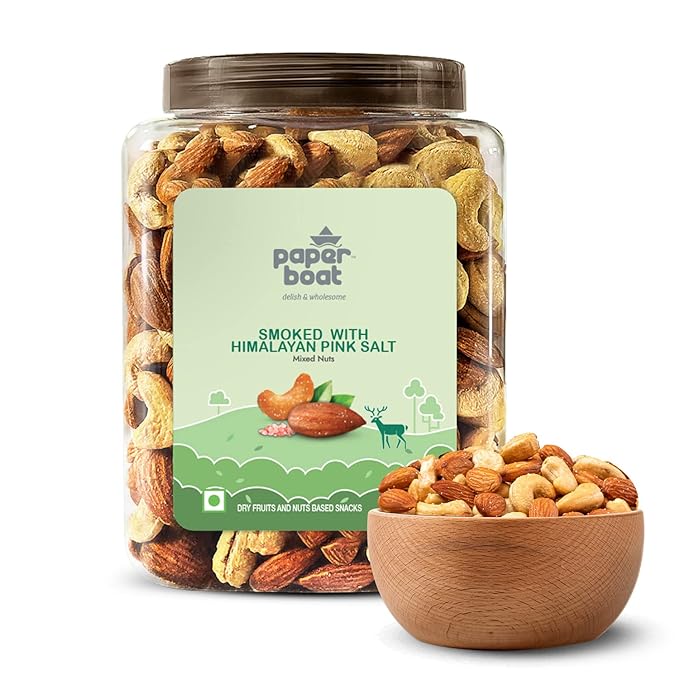
A well-stocked pantry is crucial for adhering to the Paleo diet. Essential items include:
Choosing organic produce and products from companies with sustainable practices supports a healthy and environmentally friendly Paleo lifestyle.
In the sacred landscape of Hindu philosophy, pregnancy is not merely a biological event—it is a transformative, spiritual, and deeply societal act. It is a symbol of Shakti, the
In the vast and timeless tradition of Hinduism, one of the most profound recognitions is this: The mother is the first guru. She is not only the giver of life but the sculptor of t
In the rich tapestry of Indian cultural and spiritual heritage, one timeless tradition stands out for its vision, depth, and sensitivity: Garbh Sanskar. This ancient Vedic practice
In a world constantly searching for righteous leaders, visionaries, and changemakers, it is easy to overlook where such greatness truly begins — in the lap of a mother. Hindu phi
In the rich tapestry of Hindu philosophy, life is seen not just as a personal journey but as an intricate part of a grand cosmic design. Among the many sacred responsibilities one
Pregnancy is more than a biological process; in the Vedic and Hindu worldview, it is a sacred rite of passage. It is a time when a soul is invited into the world, and the energy su
Pregnancy doesn’t begin with a positive test—it begins with a shared intention. In the spiritual view of conception, especially within Vedic and holistic traditions, planning a
"Enjoyed this post? Don’t miss out on future updates – subscribe now to stay inspired and informed!"