Older Women’s Sexual Health: Tips for Maintaining Intimacy

Sexual health and intimacy don’t have an expiration date. For many women, intimacy continues to play an important role in emotional connection, mental well-being, and overall quality of life well into their later years. However, aging can bring physical, emotional, and social changes that may influence sexual activity and satisfaction.

In this blog, we’ll explore the common issues older women face related to sexual health, how to overcome them, the safety measures to keep in mind, and the impact on health—along with a list of pros and cons. Let’s break the taboo and talk about this essential aspect of women’s health with honesty and compassion.

🌺 Understanding the Changes: What Issues Do Older Women Face?

1. Physical Changes

  • Menopause-related symptoms such as vaginal dryness, thinning of the vaginal walls (vaginal atrophy), and decreased elasticity can lead to discomfort or pain during intercourse.

  • Lower estrogen levels may decrease libido.

  • Chronic conditions like diabetes, arthritis, or cardiovascular disease can impact physical intimacy and energy levels.

  • Medication side effects (such as antidepressants, antihypertensives) may also lower sexual desire or arousal.

2. Emotional and Psychological Factors

  • Body image concerns due to aging may affect confidence and desire.

  • Grief or loneliness from loss of a spouse or changes in life roles can affect mental readiness for intimacy.

  • Depression, anxiety, or low self-esteem may suppress sexual interest.

3. Relationship Dynamics

  • Communication gaps between partners, emotional distance, or fear of rejection can act as barriers to intimacy.

  • Partners may also face health challenges that influence their ability to engage sexually.

🌿 How to Overcome These Challenges

1. Open Communication

  • Talk with your partner about desires, boundaries, and any physical discomfort.

  • Don’t be afraid to initiate conversations about changing needs and new ways of expressing intimacy.

2. Explore Alternatives

  • Intimacy isn’t limited to intercourse—cuddling, kissing, massage, and emotional bonding can be equally fulfilling.

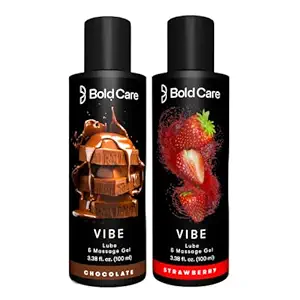
  • Use of lubricants or vaginal moisturizers can ease discomfort.

  • Consider sexual aids or therapy if helpful.

3. Prioritize Physical and Emotional Wellness

  • Exercise regularly to boost energy, circulation, and self-confidence.

  • Manage chronic health conditions through routine checkups and treatment.

  • Stress management through mindfulness, yoga, or hobbies helps you stay emotionally connected and present.

4. Seek Medical Guidance

  • A gynecologist or sexual health expert can suggest treatments such as hormone replacement therapy (HRT) or low-dose vaginal estrogen for dryness and atrophy.

  • Therapy or counseling can help address emotional blocks or trauma related to intimacy.

🛡️ Safety Measures for Older Women

Sexual health includes safety, no matter the age. Here are some precautions to consider:

  • Use protection: STIs don’t discriminate by age. Use condoms or dental dams if you or your partner have other sexual partners or are in a new relationship.

  • Get screened: Regular STI testing is still important, especially in new or non-monogamous relationships.

  • Discuss medical concerns with your doctor before beginning any new sexual activity, especially if you have heart issues, mobility limitations, or other health risks.

  • Use safe, age-appropriate sexual aids and be cautious of products that may interact with medications or cause irritation.

🌸 How Sexual Health Impacts Older Women’s Well-being

🔹 Physical Benefits:

  • Increases circulation and strengthens the pelvic floor.

  • Supports better sleep, immunity, and cardiovascular health.

  • Reduces menopause-related symptoms and maintains vaginal health.

🔹 Emotional and Mental Benefits:

  • Boosts self-esteem and body confidence.

  • Reduces stress, anxiety, and feelings of isolation.

  • Strengthens emotional bonds with a partner, promoting relationship satisfaction.

⚖️ Pros and Cons of Sexual Activity in Later Life

✅ Pros

  • Enhances quality of life and longevity.

  • Fosters deeper emotional connection and companionship.

  • Supports better physical and mental health.

  • Encourages body acceptance and confidence.

❌ Cons

  • Risk of pain due to vaginal dryness or thinning.

  • Increased chance of STIs if not cautious.

  • Potential for emotional vulnerability, especially if past traumas or unresolved relationship issues exist.

  • Health limitations in either partner may restrict activity or spontaneity.

Conclusion:

Maintaining intimacy as an older woman is not only possible—it can be deeply rewarding. Embracing the changes that come with aging and being open to new experiences, communication, and support can rejuvenate your connection with your partner and yourself.

Sexual health is a lifelong journey, not a phase. With the right tools, awareness, and support, older women can enjoy meaningful and fulfilling intimacy well into their golden years. After all, intimacy is less about age and more about connection, comfort, and communication.

Get Curated Post Updates!

"Enjoyed this post? Don’t miss out on future updates – subscribe now to stay inspired and informed!"