Pregnancy Is Power: How Hindu Women Shape Future Generations
In the sacred landscape of Hindu philosophy, pregnancy is not merely a biological event—it is a transformative, spiritual, and deeply societal act. It is a symbol of Shakti, the
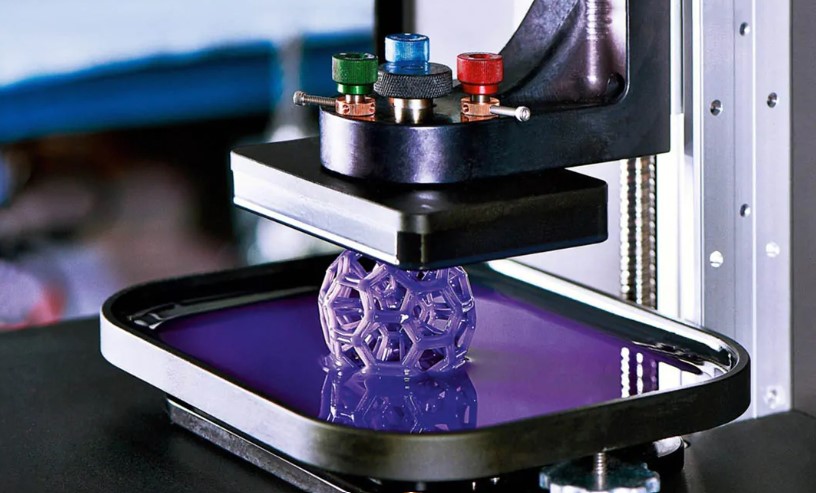
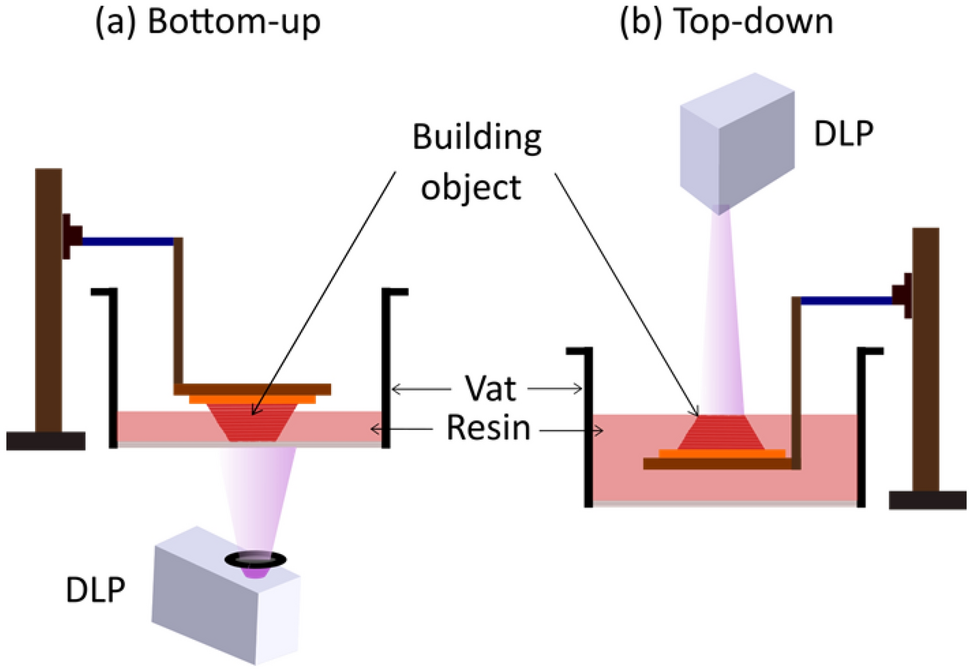
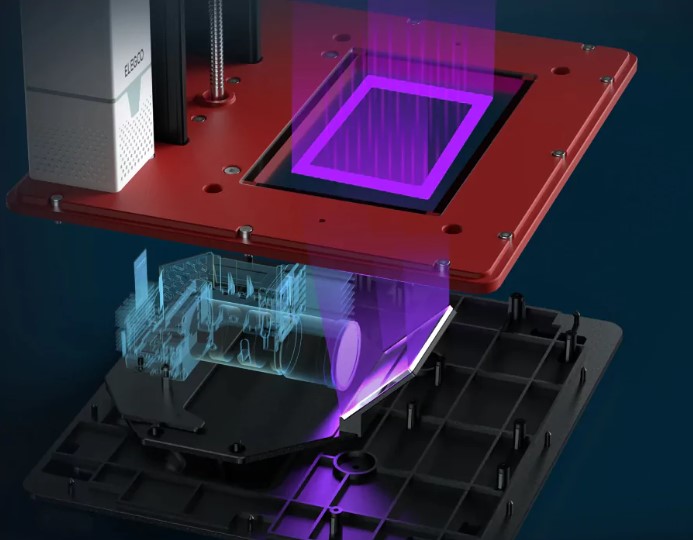
Digital Light Processing (DLP) is a type of 3D printing technology that uses a digital projector screen to flash a single image of each layer all at once, curing photopolymer resin into a solid object. Unlike other additive manufacturing processes that build objects layer by layer using mechanical movements, DLP printing relies on light to initiate the curing process. The intensity and wavelength of this light play crucial roles in determining the final properties of the printed object. In this blog, we’ll explore how the curing process affects the outcome of DLP-printed objects, and why control over light parameters is essential.
In DLP printing, the resin used is sensitive to UV light. When the projector flashes an image of the object’s cross-section onto the resin, the UV light causes a chemical reaction that hardens the liquid resin into a solid. This process is known as curing. The two most critical factors in this curing process are the intensity of the light and its wavelength.
Higher light intensity speeds up the curing process by providing more energy to drive the chemical reaction that transforms liquid resin into a solid. However, this increased speed also requires careful management:
The wavelength of the UV light used in DLP printing directly impacts how deeply the light can penetrate the resin:
The curing process in DLP printing has a profound impact on the final characteristics of the printed object. These include:
The curing process in DLP printing is not just a simple matter of hardening resin; it is a finely tuned procedure that directly impacts the final properties of the printed object. By controlling the intensity and wavelength of the UV light, operators can manipulate the speed of curing, the depth of curing, and ultimately, the strength, finish, and accuracy of the object. This level of control provides immense flexibility in the printing process, allowing for the creation of objects that meet specific functional and aesthetic requirements.
In the sacred landscape of Hindu philosophy, pregnancy is not merely a biological event—it is a transformative, spiritual, and deeply societal act. It is a symbol of Shakti, the
In the vast and timeless tradition of Hinduism, one of the most profound recognitions is this: The mother is the first guru. She is not only the giver of life but the sculptor of t
In the rich tapestry of Indian cultural and spiritual heritage, one timeless tradition stands out for its vision, depth, and sensitivity: Garbh Sanskar. This ancient Vedic practice
In a world constantly searching for righteous leaders, visionaries, and changemakers, it is easy to overlook where such greatness truly begins — in the lap of a mother. Hindu phi
In the rich tapestry of Hindu philosophy, life is seen not just as a personal journey but as an intricate part of a grand cosmic design. Among the many sacred responsibilities one
"Enjoyed this post? Don’t miss out on future updates – subscribe now to stay inspired and informed!"