The Retailer’s Growth Partner: Why Choosing the Right Distributor Matters
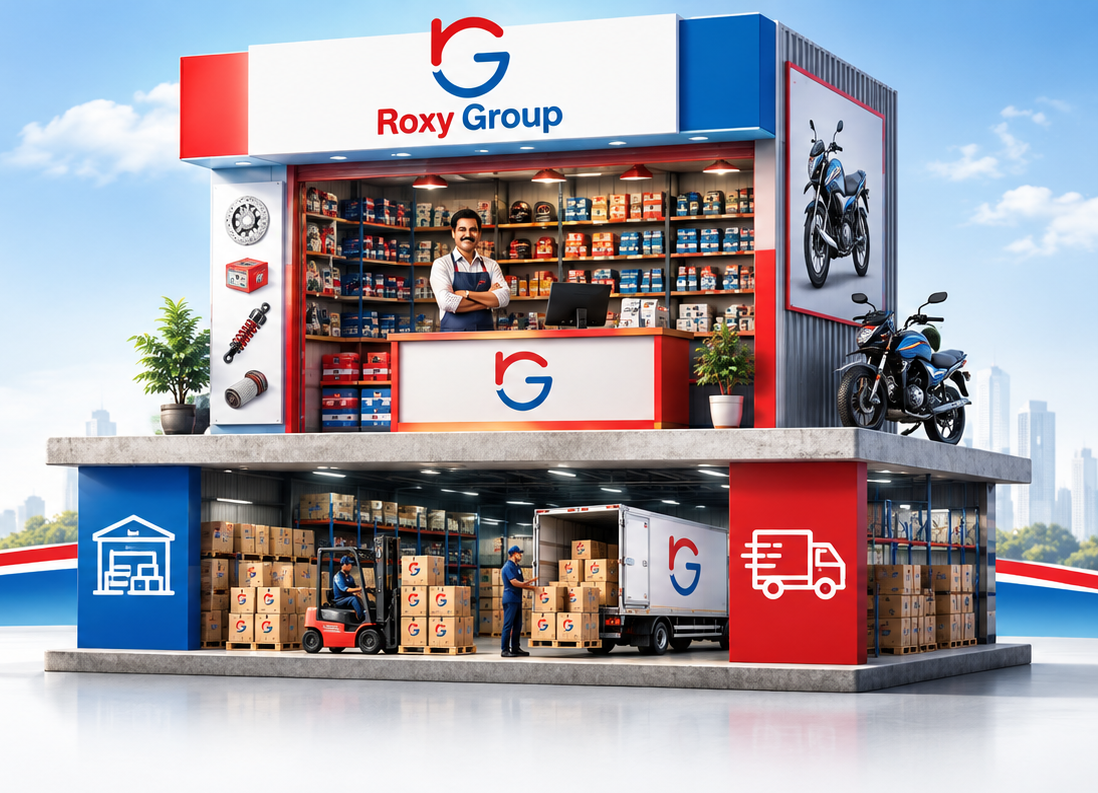
Ask any successful two-wheeler spare-parts shop owner what really made their business grow. Most people expect the answer to be “a good location” or “lots of customers.” Th

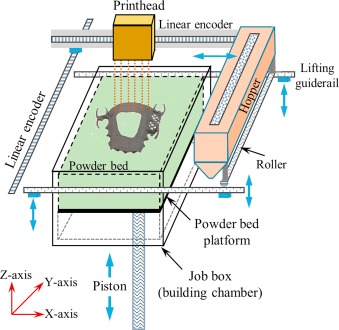
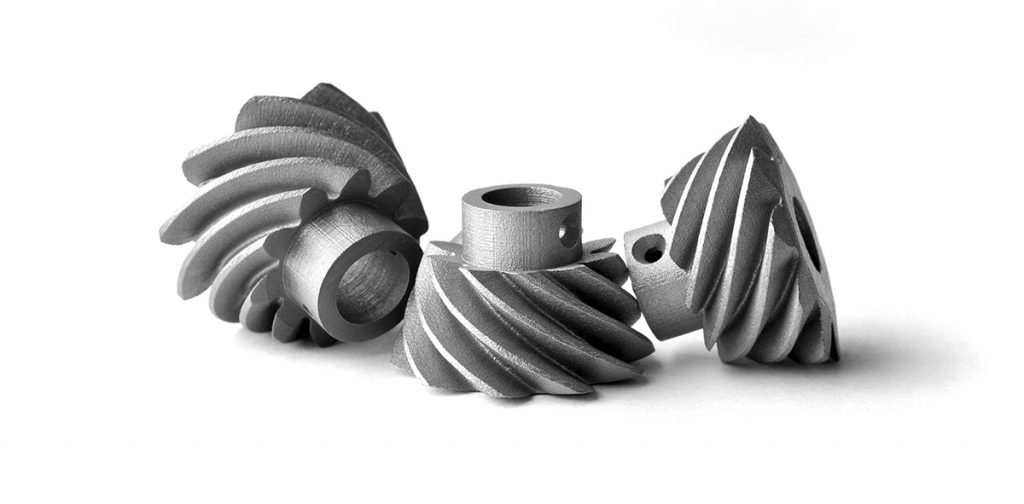
The world of manufacturing has seen rapid advancements, and one technology that stands out for its versatility and efficiency is Binder Jetting. This additive manufacturing process has revolutionized the production of metal parts, offering solutions that were once considered too challenging or expensive using traditional methods. One of the key strengths of Binder Jetting lies in its ability to handle complex geometries and overhangs with remarkable precision and ease.
Before diving into its capabilities, it’s important to understand what Binder Jetting is. Binder Jetting is an additive manufacturing process where a liquid binding agent is selectively deposited onto a powder bed, layer by layer, to build up a part. This process is different from other 3D printing techniques like Selective Laser Sintering (SLS) or Fused Deposition Modeling (FDM), as it does not involve high temperatures during the build process. Instead, the binding agent holds the powder particles together, and the final part is often post-processed through sintering, infiltration, or other methods to achieve the desired strength and density.
One of the most significant advantages of Binder Jetting is its ability to create intricate and complex geometries that would be incredibly difficult or even impossible to achieve through traditional manufacturing methods like machining or casting. Here’s how Binder Jetting excels in this area:
Overhangs—where a portion of the part extends out without direct support underneath—are a common challenge in many additive manufacturing processes. Binder Jetting, however, handles overhangs exceptionally well for several reasons:
Binder Jetting has emerged as a viable and innovative solution for producing complex geometries and overhangs that are difficult or costly to manufacture using traditional methods. Its ability to create intricate designs without the need for supports, coupled with the range of materials available—especially metals—makes it a powerful tool for designers and engineers looking to push the boundaries of what is possible in manufacturing.
As industries continue to explore and adopt additive manufacturing, Binder Jetting is set to play a critical role in enabling new designs, reducing costs, and accelerating the production of complex parts. Whether it’s for aerospace, automotive, medical, or consumer products, the ability to handle complex geometries and overhangs with precision and efficiency ensures that Binder Jetting will remain at the forefront of technological innovation.
Ask any successful two-wheeler spare-parts shop owner what really made their business grow. Most people expect the answer to be “a good location” or “lots of customers.” Th
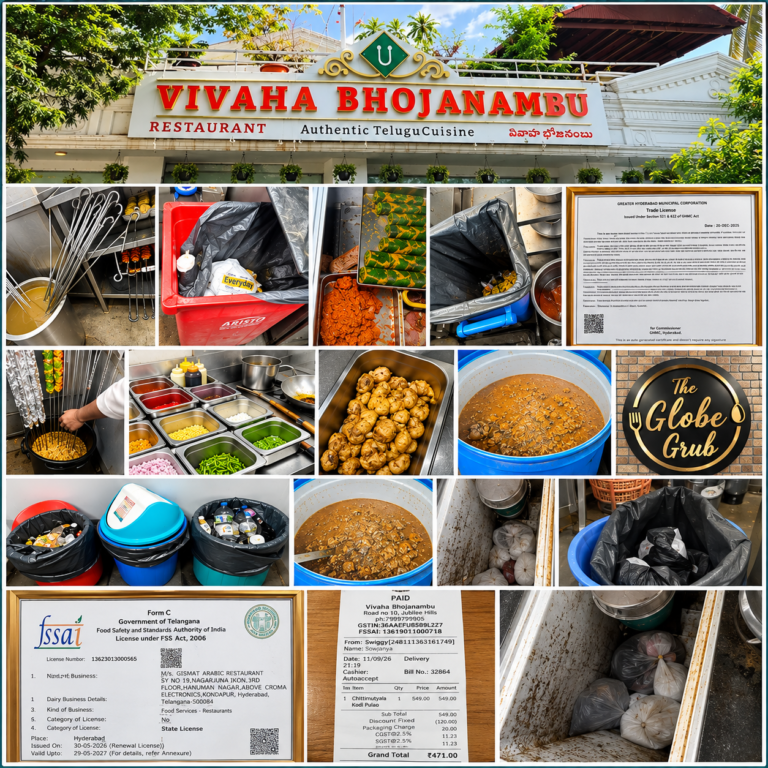
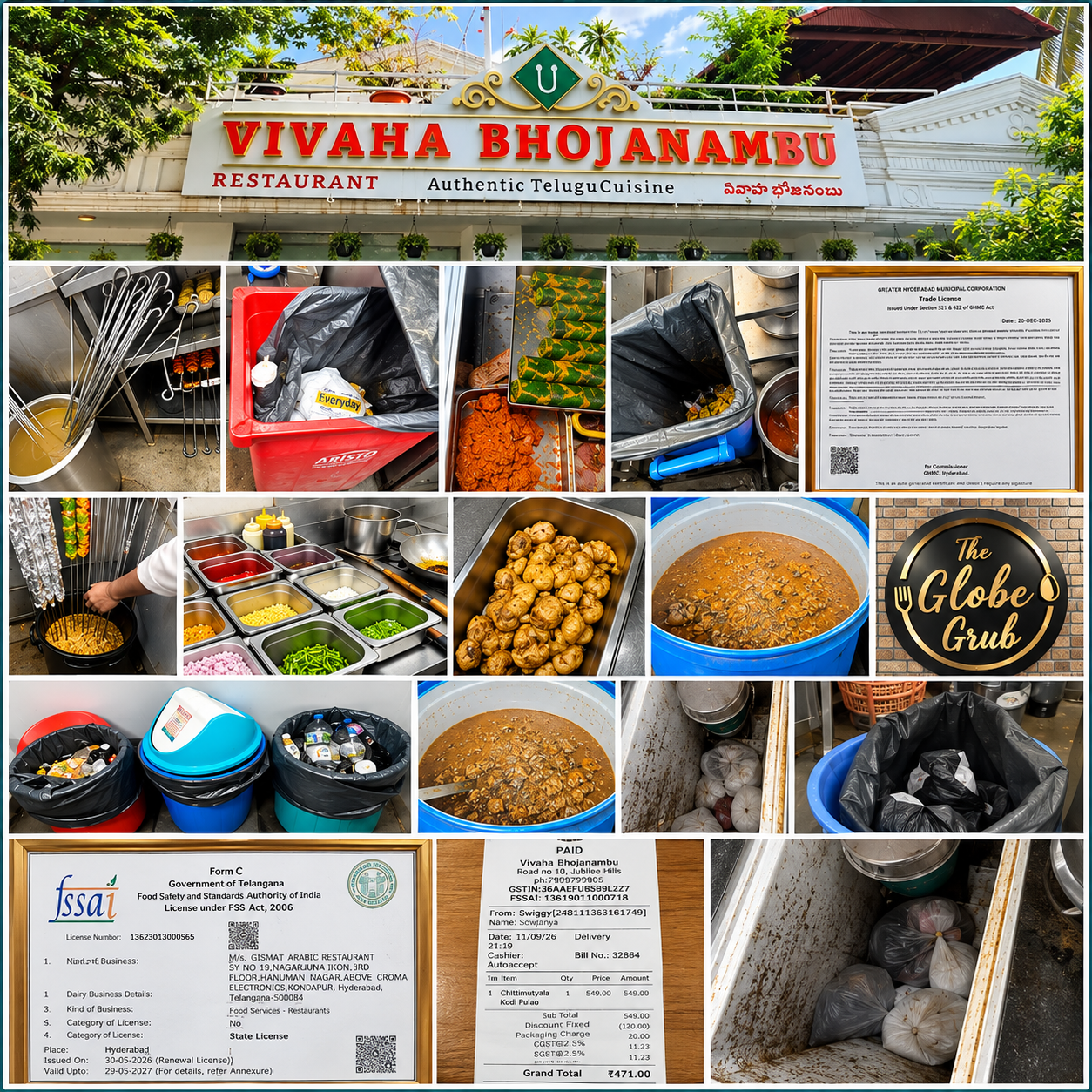
Hyderabad, September 13, 2026:The National Consumer Rights Commission (NCRC), Telangana, conducted a two-day voluntary Consumer Food Safety & Hygiene Inspection Initiative acro
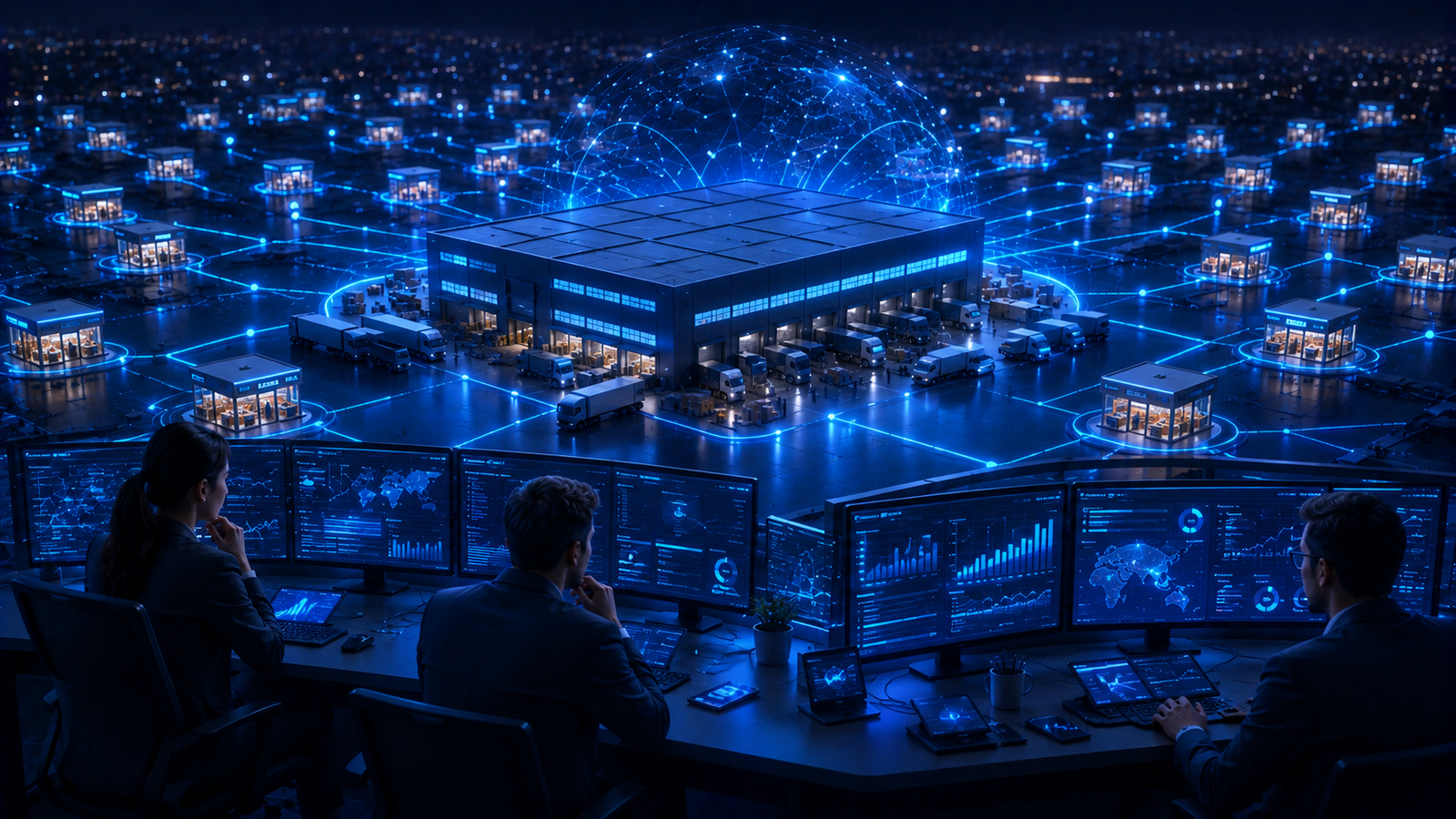
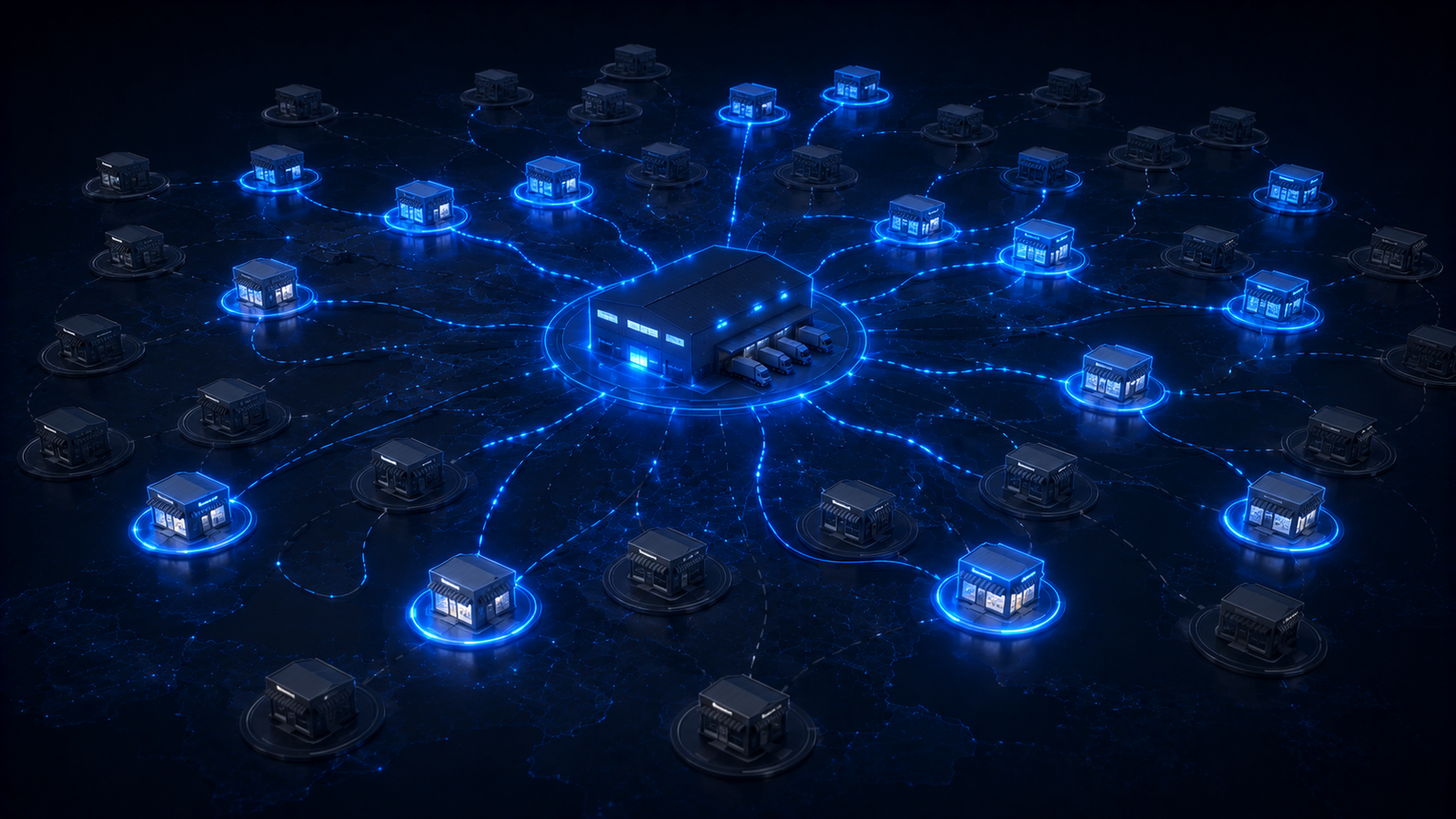
Distribution software has historically been built to record. Orders, invoices, stock movements, receipts — the systems that run distribution businesses are, at their core, extrem
Predictions about the future of any industry tend to be either too timid or too fanciful. The useful version sits in between: identify what is structurally constrained today, ident
Every distributor knows what needs to happen after a retailer says “I will pay on the fifteenth”. Someone should check on the fifteenth. In practice, in most distributi
"Enjoyed this post? Don’t miss out on future updates – subscribe now to stay inspired and informed!"