Pregnancy Is Power: How Hindu Women Shape Future Generations
In the sacred landscape of Hindu philosophy, pregnancy is not merely a biological event—it is a transformative, spiritual, and deeply societal act. It is a symbol of Shakti, the
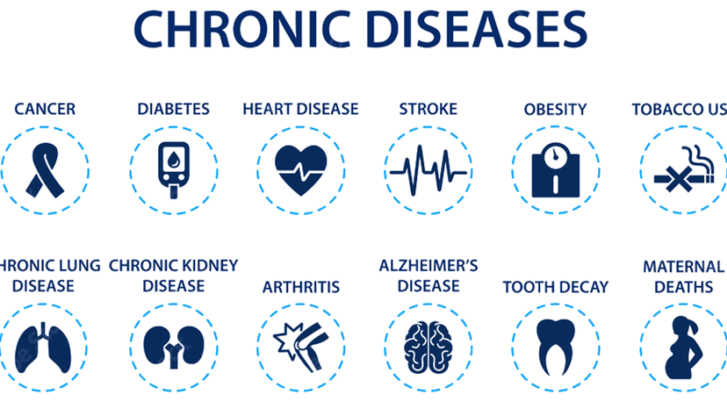
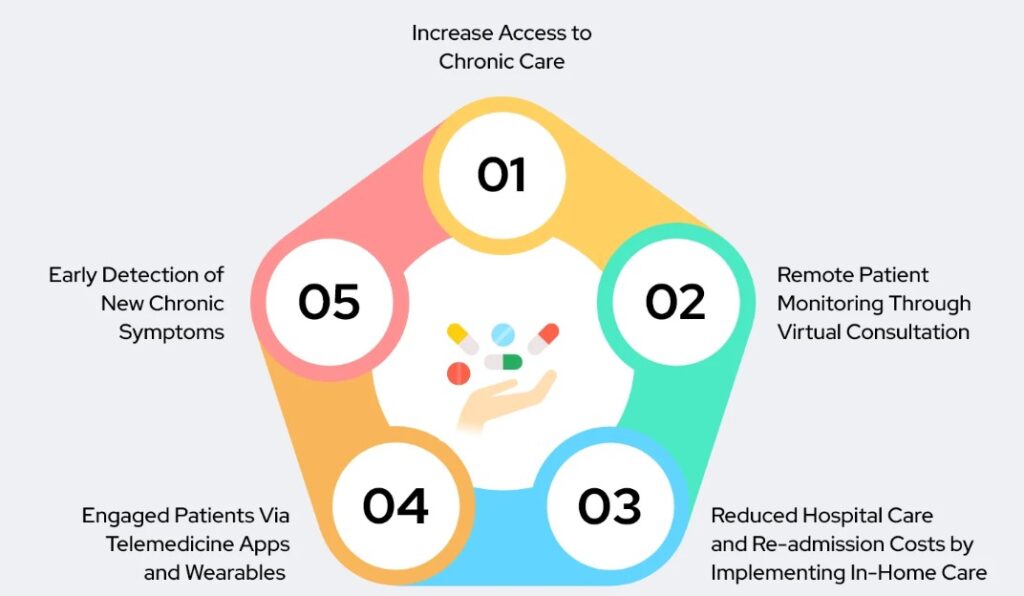
Chronic Disease Management: A Holistic Approach to Managing Long-Term Health Conditions
Managing chronic diseases is a comprehensive, proactive process that allows patients to lead healthier, more independent lives despite the presence of long-term health conditions. Chronic diseases such as diabetes, hypertension, and autoimmune disorders require a multi-faceted strategy to reduce symptoms, improve quality of life, and prevent complications. In this blog, we will explore the key aspects of chronic disease management, highlight the challenges patients face, and discuss the impact effective management has on individuals and healthcare systems.
Chronic disease management is a systematic approach designed to help patients with long-lasting health conditions manage their symptoms and improve their overall well-being. This process involves a variety of strategies, including prevention, early detection, treatment coordination, patient education, and considering a patient’s total health profile.
Key Components of Chronic Disease Management:
Managing chronic diseases is not without its challenges. Patients face various obstacles that can affect their ability to adhere to treatment plans and maintain a high quality of life.
When chronic diseases are managed effectively, the benefits are wide-ranging, both for the patient and the healthcare system.
Here are some practical ways to effectively manage chronic diseases:
Chronic disease management is about more than just treating symptoms—it’s about improving the patient’s overall health and well-being. Through prevention, early detection, coordinated treatment, and patient education, individuals with chronic diseases can take control of their condition and live fuller, more independent lives. Though challenges exist, a holistic and proactive approach to managing chronic conditions can lead to better outcomes for patients and reduce the burden on healthcare systems. Taking charge of your health, making informed decisions, and following a comprehensive management plan are essential to living well with chronic diseases.
In the sacred landscape of Hindu philosophy, pregnancy is not merely a biological event—it is a transformative, spiritual, and deeply societal act. It is a symbol of Shakti, the
In the vast and timeless tradition of Hinduism, one of the most profound recognitions is this: The mother is the first guru. She is not only the giver of life but the sculptor of t
In the rich tapestry of Indian cultural and spiritual heritage, one timeless tradition stands out for its vision, depth, and sensitivity: Garbh Sanskar. This ancient Vedic practice
In a world constantly searching for righteous leaders, visionaries, and changemakers, it is easy to overlook where such greatness truly begins — in the lap of a mother. Hindu phi
In the rich tapestry of Hindu philosophy, life is seen not just as a personal journey but as an intricate part of a grand cosmic design. Among the many sacred responsibilities one
Pregnancy is more than a biological process; in the Vedic and Hindu worldview, it is a sacred rite of passage. It is a time when a soul is invited into the world, and the energy su
Pregnancy doesn’t begin with a positive test—it begins with a shared intention. In the spiritual view of conception, especially within Vedic and holistic traditions, planning a
In Hindu Vedic philosophy, conception is not a random biological event—it is a sacred union of energies meant to welcome a divine soul into the world. The energy a man brings int
"Enjoyed this post? Don’t miss out on future updates – subscribe now to stay inspired and informed!"