A Comprehensive Guide to Bangles: History, Significance, and Styles
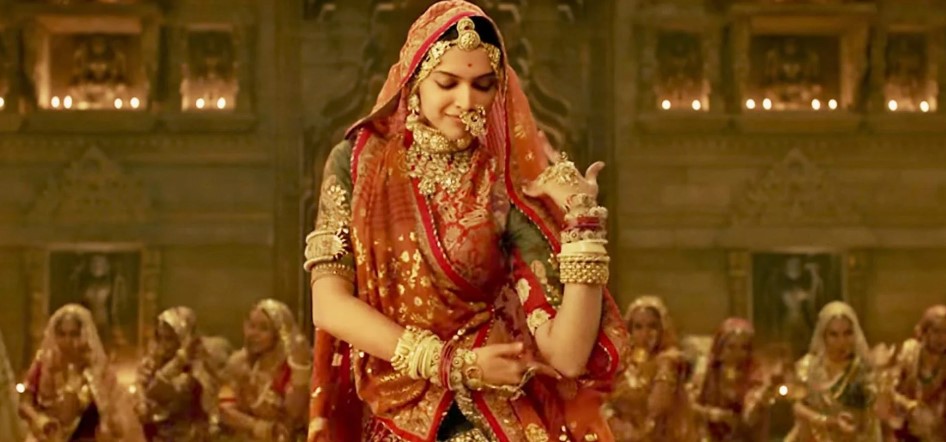
Bangles, an iconic accessory, have been cherished for centuries across cultures and regions. This inflexible, yet loose-fitting bracelet is a piece of jewelry often worn in multiples, clinking gracefully on the wrists. The beauty of bangles lies in their versatility—they can be made from various materials such as gold, silver, wood, plastic, glass, and even ivory. Bollywood dancers, adorned with golden bangles, have popularized this tradition worldwide, but its significance goes far beyond aesthetics. Let’s dive deep into the fascinating world of bangles—who invented them, why they are worn, their types, and their cultural importance.
The Origin of Bangles
Bangles have a rich history that dates back thousands of years. Archaeological evidence suggests that bangles were worn as early as 2600 BC during the Indus Valley Civilization. Excavations from ancient cities like Mohenjo-Daro have revealed bangles made from copper, glass, and shell, indicating that they have been a part of human adornment for millennia.
While it is difficult to pinpoint a single inventor of bangles, their existence in ancient cultures highlights that they likely emerged as a symbol of beauty, wealth, and status. In various civilizations, both men and women wore bangles, each serving different purposes based on region and cultural beliefs.
Why Are Bangles Worn?
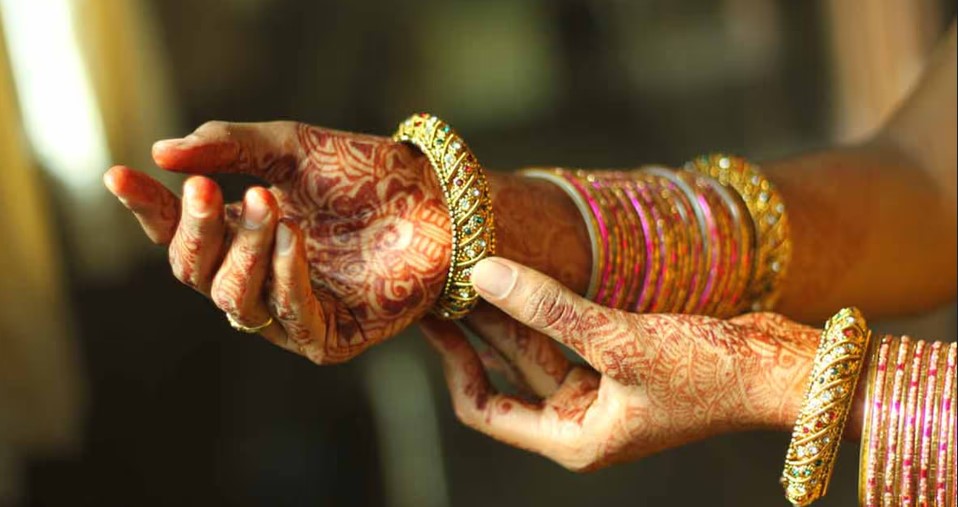
The reasons behind wearing bangles vary from culture to culture. In Indian traditions, bangles hold a strong association with femininity and marital status. Married women, especially in Hindu cultures, often wear bangles to signify prosperity, good fortune, and the long life of their husbands. For unmarried girls, wearing bangles symbolizes their readiness for womanhood.
Apart from their cultural symbolism, bangles also hold aesthetic value. The sound they produce when stacked on the wrist is often associated with joy and celebration. In some places, bangles are worn for health reasons, especially those made from metals believed to have healing properties.
Types of Bangles
Bangles come in a variety of styles, materials, and designs, making them adaptable for different occasions and personal tastes. The most common types include:
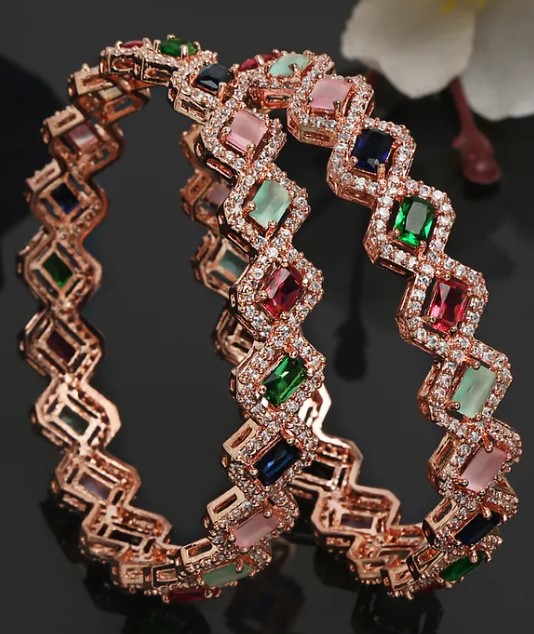
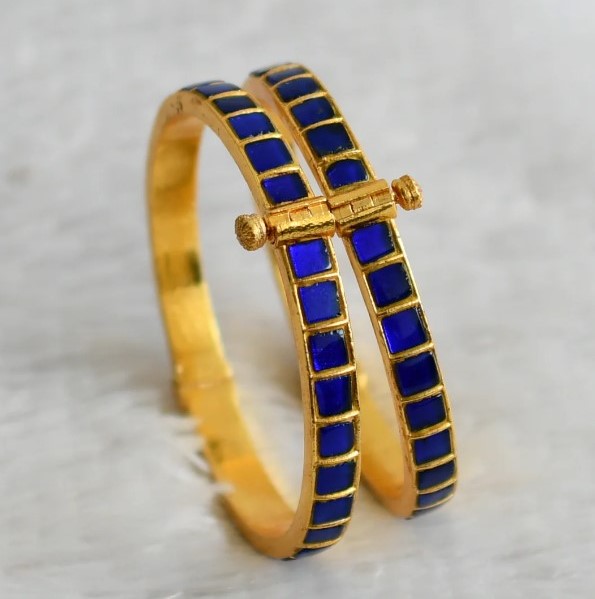
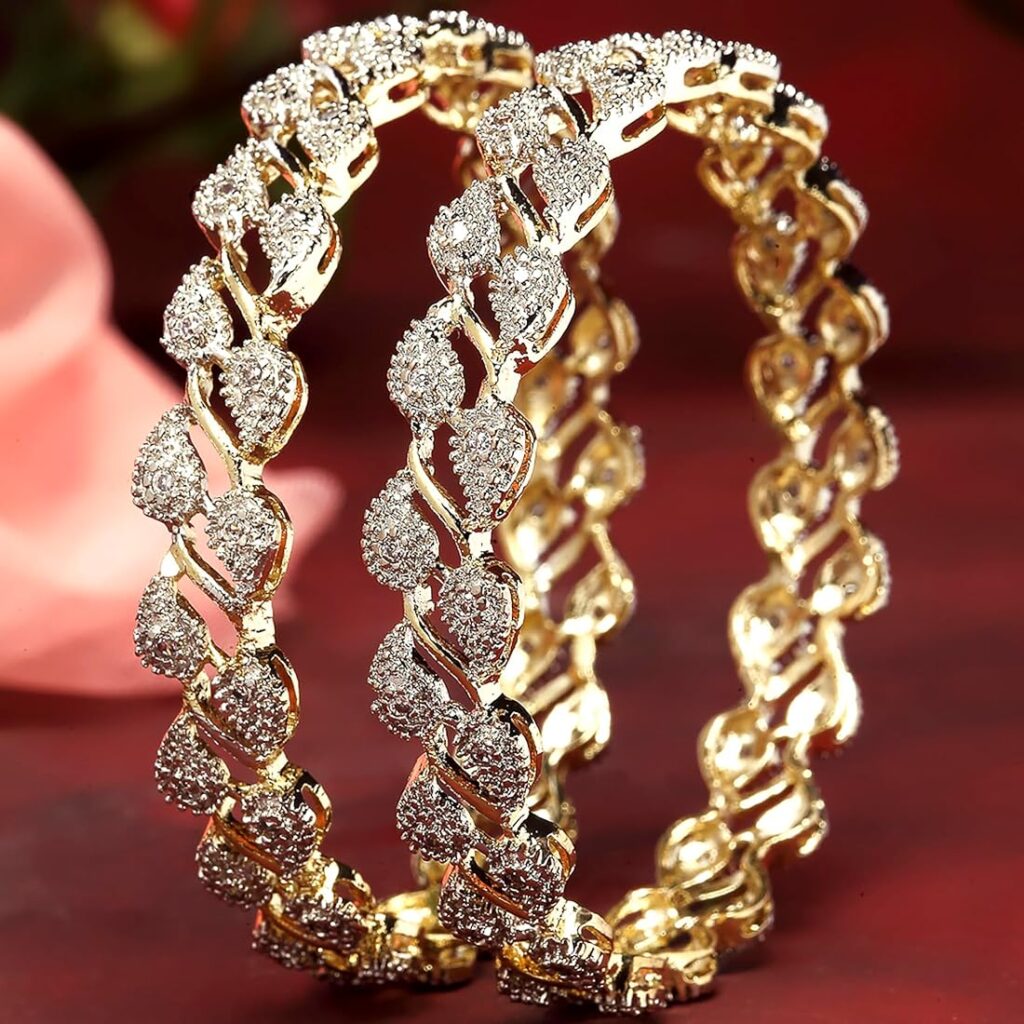
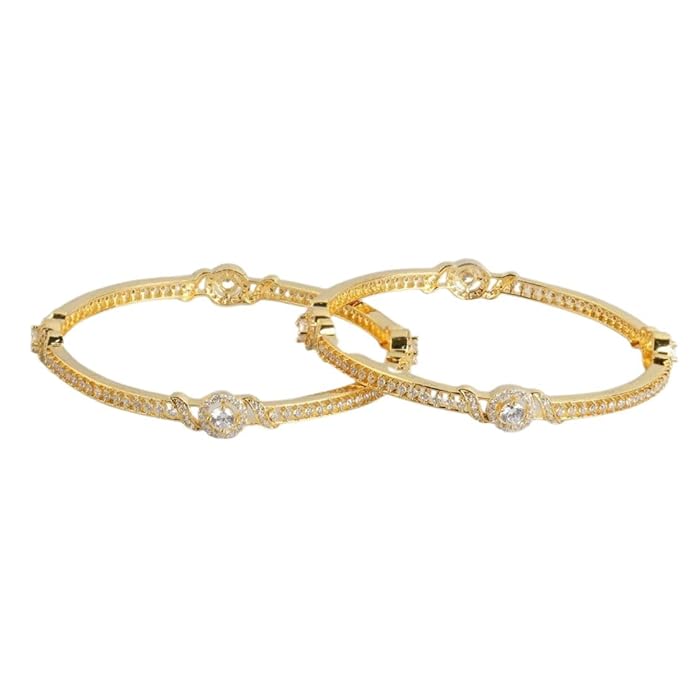
- Gold Bangles: Symbolizing wealth and status, gold bangles are often passed down as heirlooms and worn during weddings and special events.
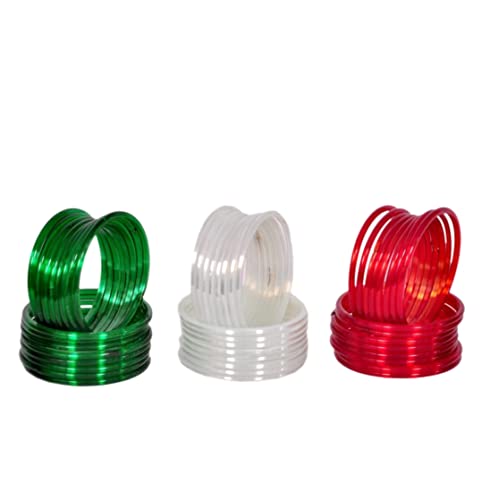
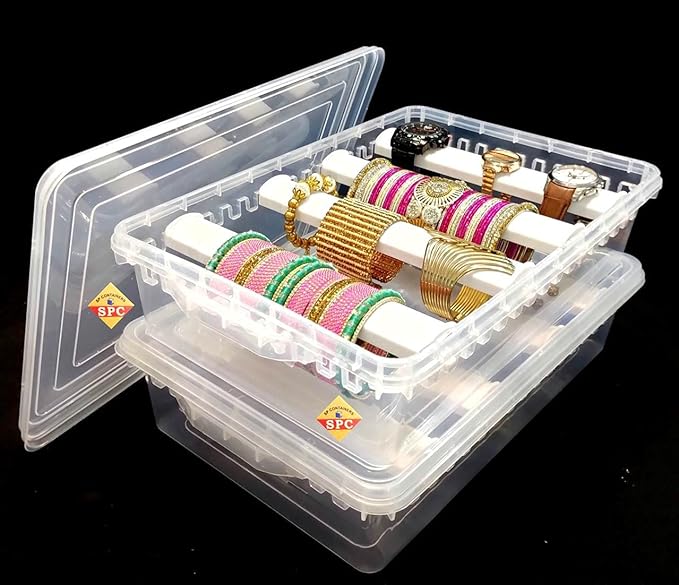
- Glass Bangles: Popular in India, especially for married women, these bangles come in vibrant colors and are often worn during festivals and religious ceremonies.
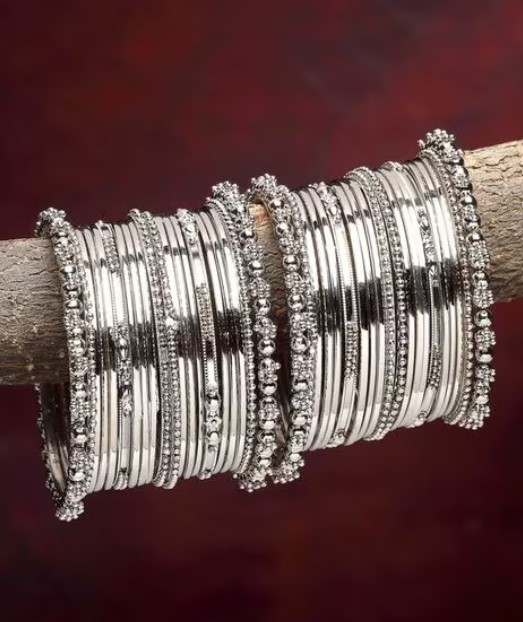
- Silver Bangles: These are more common in rural areas and are worn for their cooling and therapeutic properties.
- Plastic Bangles: Modern and affordable, plastic bangles come in every color imaginable and are a popular choice for casual wear.
- Ivory or Lac Bangles: Historically worn by royalty, these bangles are prized for their intricate designs and are often used in traditional bridal jewelry.
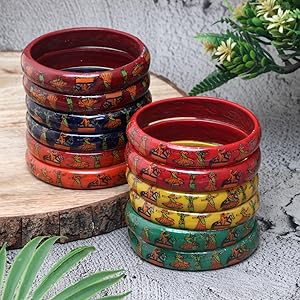
- Wooden Bangles: These are eco-friendly options and are usually adorned with carvings or embellishments.
Famous Places for Bangles in India
India is home to some of the most exquisite bangle markets in the world. Hyderabad is one of the most famous cities for bangles, especially Laad Bazaar, which is renowned for its lacquer bangles. Firozabad in Uttar Pradesh is known as the “City of Glass” and produces millions of glass bangles annually. Jaipur and Kolkata are also famous for their unique styles and traditional craftsmanship.
Best Place for Bangles in Telangana
In Telangana, the best place to explore and buy bangles is Hyderabad, particularly the bustling Laad Bazaar located near the iconic Charminar. Laad Bazaar is famous for its exquisite collection of traditional lac bangles, a specialty of the region. These bangles are handmade, and the artisans in this area have mastered the art of creating intricate designs using lacquer, embedded with glittering stones, mirrors, and colorful embellishments. Hyderabad’s Laad Bazaar is a must-visit for those looking to find a variety of bangles, including glass, metal, and lac varieties. The marketplace is a vibrant blend of tradition and craftsmanship, offering an immersive experience for bangle lovers.