Pregnancy as Power: The Deeper Hindu View
In traditional Hindu thought, the womb is sacred—referred to as “garbha griha”, the same term used for the innermost sanctum of a temple. The act of creating life is considered divine, and the woman carrying that life is revered, not just as a mother, but as a cosmic channel through which dharma (righteousness), karma (action), and samskara (value systems) are transmitted.
From Goddess Parvati, who births Ganesha, to Kunti, who births and nurtures the Pandavas, to Sita, who chooses exile over dishonor for the sake of truth—the feminine womb is not a passive vessel, but a living force of spiritual and societal transformation.
The Tension: Reverence or Restriction?
However, this reverence for motherhood has also been co-opted in some modern political narratives, particularly within certain strands of Hindu nationalism. A 2020 Guardian article rightly critiques how the symbolism of motherhood and procreation is sometimes used to reinforce traditional gender roles—expecting women to produce future nationalists and confining their identity to the domestic sphere.
This presents a danger: reduction of pregnancy to patriotic duty, and loss of individual agency in the process. Women are then celebrated only when they are mothers—not when they are thinkers, leaders, creators, or rebels.
But this narrow interpretation is a betrayal of Hinduism’s deeper ethos. Ancient texts do not limit the Hindu woman; they exalt her multidimensional role—as mother, philosopher, warrior, sage, ruler, and spiritual guide. Thus, reclaiming pregnancy as power is not about regression to tradition—but awakening its original spiritual intent.
Ancient Versus Present Views
Aspect | Ancient Hindu View | Modern/Present-Day View |
Role of Motherhood | A sacred act of dharma; a path of inner transformation; a gift to society and soul | Often reduced to duty, burden, or personal lifestyle choice |
Status of Pregnant Women | Revered, protected, and encouraged to engage in spiritual practice | Sometimes isolated, stressed, or unsupported in nuclear families |
Pregnancy Preparation | Included Garbh Sanskar, mantra chanting, spiritual education, and emotional bonding | Now often focuses only on physical health, missing the emotional/spiritual |
Agency of Women | Women like Gargi, Maitreyi, Kunti were autonomous decision-makers | Often dictated by external expectations, media, and sociopolitical narratives |
Societal Perspective | Pregnancy seen as contribution to humanity’s dharmic growth | Sometimes commercialized or politicized |
Steps to Reclaim the Power of Pregnancy
To truly reclaim pregnancy as power, we must return to the wisdom of the ancients, while dismantling the limitations of the modern patriarchal gaze. Here’s how we can do that:
✅ 1. Revive Garbh Sanskar Practices
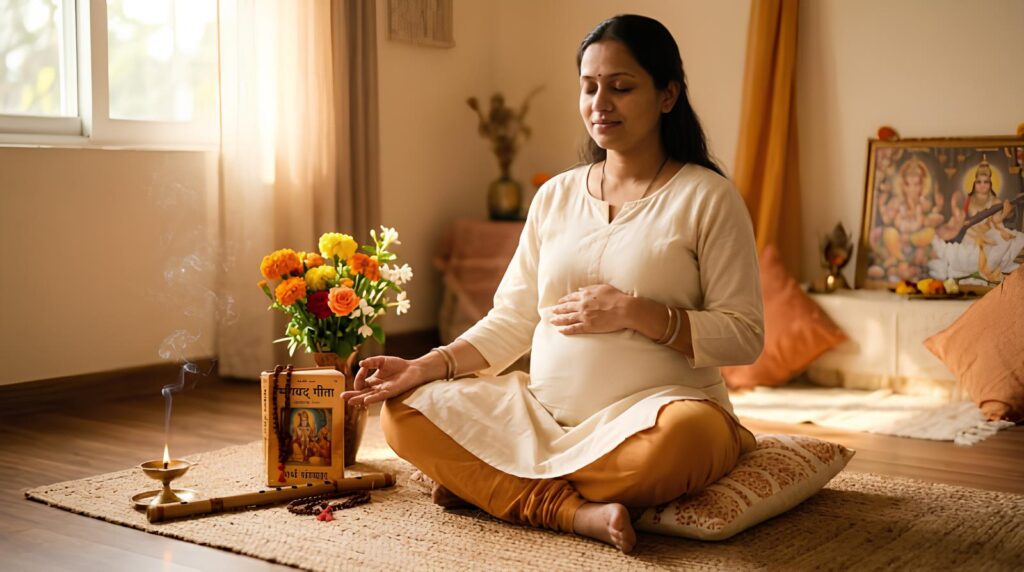
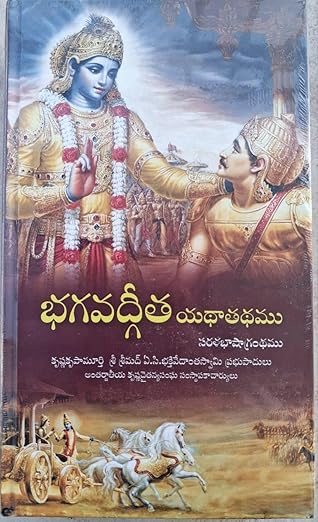
Bring back spiritual pregnancy traditions such as mantra chanting, meditation, reading scriptures, and emotional wellness practices during pregnancy. These foster inner strength, peace, and values in both mother and child.
✅ 2. Redefine Motherhood Beyond Biology
Celebrate all forms of nurturing—biological or not. Honor women not just as childbearers, but as creators of culture, values, and vision.
✅ 3. Educate Families and Communities
Build awareness of the spiritual and societal power of motherhood. Involve husbands, elders, and society in supporting mothers emotionally, mentally, and spiritually.
✅ 4. Empower Women’s Choices
Let women choose when, whether, and how they want to be mothers—free from external pressure or moral policing. Empowerment begins with autonomy.
✅ 5. Institutional and Cultural Support
Encourage temples, schools, and cultural organizations to create spaces for expecting mothers—offering emotional support, spiritual teachings, and community bonding.
✅ 6. Use Media to Change Narratives
Promote stories of strong, conscious Hindu mothers—both historical and modern—who shape the world with their inner strength and clarity.
Benefits of Reclaiming Pregnancy as Power
🌸 Empowers Women Spiritually and Emotionally
🌸 Revives Dharmic Values in the Next Generation
🌸 Builds a More Ethical, Conscious Society
🌸 Strengthens the Family as a Cultural Unit
🌸 Counters Materialism with Meaningful Motherhood
🌸 Inspires Respect for Women in All Roles
🌸 Encourages Emotional and Mental Well-Being During Pregnancy