Pregnancy Is Power: How Hindu Women Shape Future Generations
In the sacred landscape of Hindu philosophy, pregnancy is not merely a biological event—it is a transformative, spiritual, and deeply societal act. It is a symbol of Shakti, the
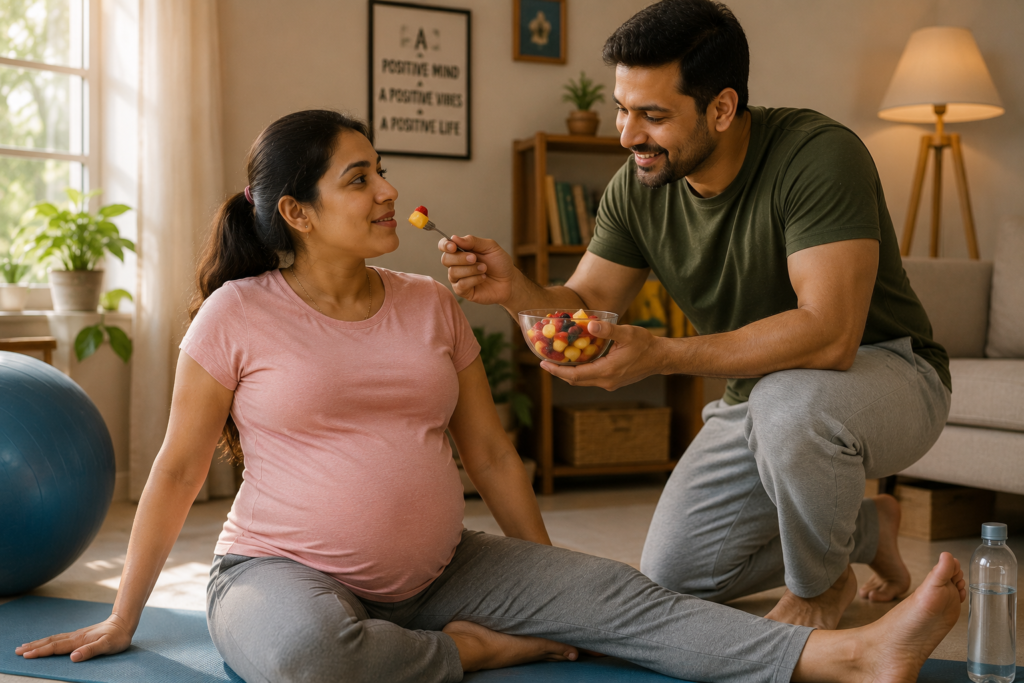
Pregnancy is more than a biological process; in the Vedic and Hindu worldview, it is a sacred rite of passage. It is a time when a soul is invited into the world, and the energy surrounding this process deeply affects both the mother and the unborn child. While a woman’s role is often emphasized, the spiritually aware husband plays an equally vital part in nurturing, protecting, and elevating the journey.
From Garbha Sanskar to emotional bonding, a man who supports his partner spiritually, emotionally, and physically transforms pregnancy into a deeply enriching experience—not just for the mother, but also for himself and the soul soon to be born.
This blog explores how a spiritually inclined husband enhances pregnancy, real-life inspired examples, the profound impact of such involvement, the challenges, and the pros and cons.
A husband aligned with spiritual principles doesn’t merely accompany his wife through appointments and errands. He becomes:
His presence enhances the womb environment, supports the emotional resilience of his wife, and shapes the consciousness of the baby.
In traditional Hindu homes, couples chant mantras like the Santana Gopala Mantra, read scriptures like the Bhagavad Gita, and listen to Vedic chants. A spiritually aware husband sits with his wife daily, reading slokas and helping her meditate, thereby cultivating a calm, spiritual environment.
Example:
Raghav, an Ayurvedic doctor, ensured he played soft Vedic chants every morning and read a verse from the Gita aloud to his wife. They both practiced breathwork and kept a daily gratitude journal. Their child, now 5, shows remarkable emotional calmness and curiosity about spirituality.
Rather than dismissing mood swings or hormonal changes, a conscious partner listens, validates, and creates emotional safety.
Example:
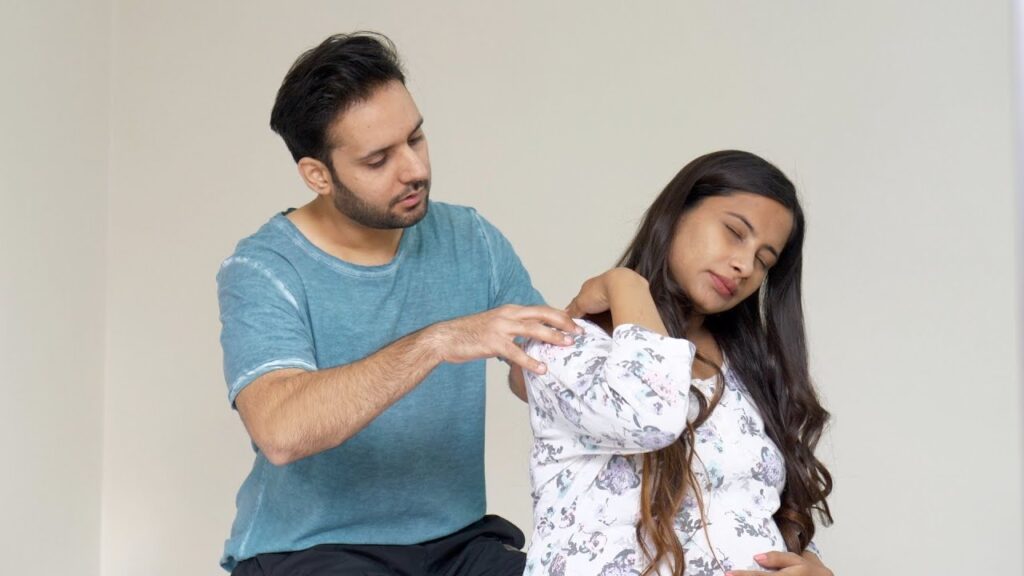
During her second trimester, Ananya experienced anxiety. Her husband Aryan started a nightly ritual of foot massages and deep conversations where they would visualize their baby surrounded by divine light. This simple act reduced her stress and increased their bonding.
The Simantonnayana (prenatal blessing ceremony) is more meaningful when the father participates with reverence. He helps organize pujas, invites elders, and performs rituals alongside his wife.
Example:
Dhruv and Meera conducted a homa (fire ritual) every Amavasya (new moon) during pregnancy, seeking divine blessings. Their joint intention strengthened their marriage and deepened their sense of purpose as parents.
Domain | Impact |
On the Mother | Lower stress, stronger emotional resilience, spiritual clarity, deep trust. |
On the Child | Positive womb energy, early bonding with father, development of sattvic traits. |
On the Couple | Increased intimacy, shared dharma, deeper respect and unity. |
On the Family | Establishes values of harmony, devotion, and shared responsibility. |
Pros | Why It Matters |
Emotional Grounding | He provides emotional strength during mood swings and fears. |
Spiritual Alignment | Joint practices align both energies, benefiting the fetus. |
Deeper Relationship Bond | Shared rituals and devotion elevate intimacy. |
Active Parenthood Preparation | Father is emotionally and spiritually ready from the start. |
Positive Family Atmosphere | Home becomes a haven of peace and divine intention. |
Challenge | Explanation |
Lack of Spiritual Interest in Men | Some men may find rituals boring or irrelevant. |
Societal Conditioning | Many cultures still place all pregnancy responsibilities on women. |
Work-Life Pressure | Long working hours or stress may hinder full presence. |
Emotional Unawareness | Men may struggle with emotional expression or sensitivity. |
Judgment or Mockery | Spiritual men may face ridicule for engaging in what is perceived as “feminine” tasks. |
Cons | Explanation |
Unrealistic Expectations | Women may expect perfection from their partners. |
Forced Spirituality | If the husband is not genuinely inclined, the practice becomes robotic or performative. |
Emotional Dependence | Over-reliance on a partner’s presence may disempower the woman’s inner strength. |
Spiritual Imbalance | If only one partner is growing spiritually, it may create a gap over time. |
The pregnancy journey is a bridge between earthly life and divine realms. A spiritually aware husband plays the role of protector—not just of the physical body, but of the sacred space of creation. Through Garbha Sanskar, rituals, and emotional bonding, he supports the soul of the mother and welcomes the soul of the child.
This path requires patience, presence, and purpose. But when walked with reverence, it transforms ordinary parenting into divine co-creation.
In the sacred landscape of Hindu philosophy, pregnancy is not merely a biological event—it is a transformative, spiritual, and deeply societal act. It is a symbol of Shakti, the
In the vast and timeless tradition of Hinduism, one of the most profound recognitions is this: The mother is the first guru. She is not only the giver of life but the sculptor of t
In the rich tapestry of Indian cultural and spiritual heritage, one timeless tradition stands out for its vision, depth, and sensitivity: Garbh Sanskar. This ancient Vedic practice
In a world constantly searching for righteous leaders, visionaries, and changemakers, it is easy to overlook where such greatness truly begins — in the lap of a mother. Hindu phi
In the rich tapestry of Hindu philosophy, life is seen not just as a personal journey but as an intricate part of a grand cosmic design. Among the many sacred responsibilities one
"Enjoyed this post? Don’t miss out on future updates – subscribe now to stay inspired and informed!"