1. Tea Tree Oil
Tea tree oil is a popular natural remedy for acne because of its antibacterial properties. It can help reduce inflammation and combat the bacteria that cause breakouts.
- How to Use: Since tea tree oil can be irritating to sensitive skin, dilute it by mixing two drops of tea tree oil with 12 drops of witch hazel. Apply the mixture with a cotton pad on affected areas, avoiding eye contact.
Precaution: Always perform a patch test before applying tea tree oil to ensure it doesn’t irritate your skin, and avoid applying it to broken or sensitive areas.
2. Honey
Honey has natural antibacterial properties, making it effective for spot-treating acne.
- How to Use: Apply a few drops of raw honey to pimples, gently rub it in, and rinse with warm water after about 10 minutes. This helps reduce bacteria and soothe the skin.
Precaution: Use only raw, unprocessed honey, as processed honey may lack the same antibacterial benefits.
3. Aloe Vera
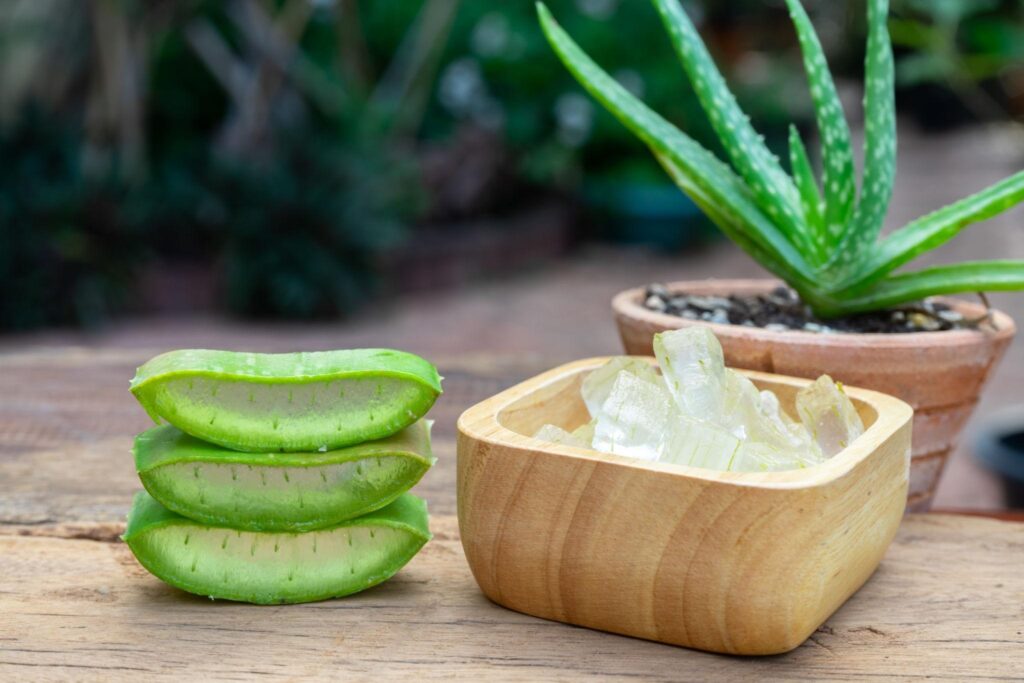
Aloe vera is known for its anti-inflammatory and antibacterial properties, which can help reduce acne and calm irritated skin.
- How to Use: Mix aloe vera gel with a pinch of turmeric powder or a few drops of green tea extract to enhance its acne-fighting effects. Apply the mixture to the affected area and let it sit for 10–15 minutes before rinsing off.
Precaution: Always use pure aloe vera gel. Some store-bought gels may contain additives that can irritate sensitive skin.
4. Turmeric
Turmeric is a well-known ingredient in skincare for its anti-inflammatory and antimicrobial properties, which can help treat acne and prevent scarring.
- How to Use: Mix ½ cup of chickpea flour, 2 teaspoons of turmeric powder, and a small amount of ghee or almond oil with water to create a thick paste. Apply this mask to your face and let it dry for about 20 minutes before rinsing off with warm water.
Precaution: Turmeric can stain the skin temporarily, so rinse thoroughly and consider using it in the evening.
5. Honey and Cinnamon
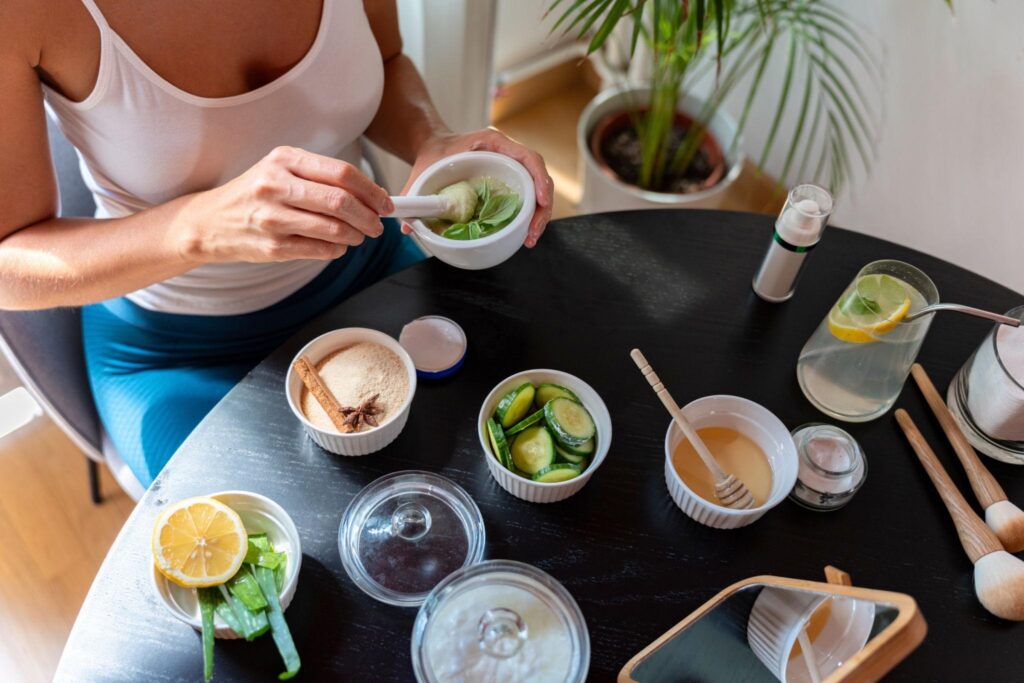
Honey and cinnamon, when combined, make an effective anti-acne mask. Cinnamon has antimicrobial properties that, along with honey’s antibacterial benefits, help combat acne and reduce redness.
- How to Use: Mix 2 tablespoons of honey with 1 teaspoon of cinnamon powder. Apply it to your face, let it sit for 10–15 minutes, then rinse with warm water.
Precaution: Cinnamon can cause a slight tingling sensation; if this feels uncomfortable, rinse off immediately.
6. Cucumber
Cucumber is known for its cooling and soothing properties. Rich in vitamins and magnesium, it can act as a natural toner to calm irritated skin and reduce puffiness.
- How to Use: Slice a cucumber and rub it directly on the skin, or blend it into a paste and apply it as a mask. Leave it on for 10–15 minutes before rinsing off with water.
Precaution: Ensure the cucumber is fresh for maximum benefit, as stale cucumber can lose its soothing properties.
7. Jojoba Oil
Jojoba oil is a light, non-comedogenic oil that can help balance the skin’s oil production. Its anti-inflammatory and antimicrobial properties make it suitable for acne-prone skin.
- How to Use: Apply a few drops of jojoba oil directly to your skin as a moisturizer or mix it into your regular moisturizer. Use it sparingly to avoid a greasy look.
Precaution: Although jojoba oil is generally safe for most skin types, patch testing is recommended to ensure it doesn’t trigger any reactions.
8. Oatmeal
Oatmeal has natural anti-inflammatory properties that can help calm inflamed skin. It’s suitable for soothing redness and irritation caused by acne.
- How to Use: Mix 2 teaspoons of oatmeal with 1 teaspoon of baking soda and enough water to form a paste. Apply it to the skin and let it sit for 10–15 minutes before rinsing off with warm water.
Precaution: Baking soda may be too harsh for some skin types, so avoid this remedy if you have sensitive skin or test a small area first.
Diet for Acne-Free Skin
Diet can have a significant impact on skin health, especially for those prone to acne. Here are some dietary adjustments to consider:
- Avoid Dairy: For some people, dairy products, especially cow’s milk, can trigger or worsen acne. Try eliminating dairy for a few weeks to see if your skin improves.
- Reduce Sugar and Processed Foods: High sugar intake can lead to spikes in insulin, which may increase oil production and contribute to acne. Avoid sugary snacks, beverages, and processed foods.
- Eat Foods High in Omega-3s: Omega-3 fatty acids are anti-inflammatory and may help reduce acne. Incorporate sources like salmon, flaxseeds, walnuts, and chia seeds.
- Stay Hydrated: Drinking enough water helps flush out toxins, which can improve overall skin health. Aim for at least 8 glasses of water a day.
Precautions and Tips for Achieving Acne-Free Skin
Natural remedies can be effective, but there are some precautions to keep in mind to ensure your skin remains healthy:
- Perform Patch Tests: Always test a small amount of any remedy on your skin first, especially if you have sensitive skin. Some natural ingredients can still cause irritation or allergic reactions.
- Be Consistent but Patient: Natural remedies may take longer to show results compared to traditional acne treatments. Stick with your routine consistently for a few weeks before judging its effectiveness.
- Don’t Overdo It: Overusing certain remedies, especially those with strong ingredients like tea tree oil or baking soda, can irritate your skin. Use them sparingly and as directed.
- Combine with Other Treatments: For severe acne, consider combining natural remedies with dermatologist-recommended treatments. Some cases may require stronger solutions, and there’s no harm in seeking professional advice.
Can You Trust These Natural Remedies?
While natural remedies can be effective for some, they’re not a guaranteed solution for everyone. Results vary depending on factors such as skin type, lifestyle, and the underlying cause of acne. These remedies are generally safe and worth a try, but for persistent or severe acne, consulting a dermatologist is advised.
Treatments for Faster Results
If you’re looking for faster results, some in-office treatments by dermatologists can be highly effective. Here are a few options to consider:
- Chemical Peels: Mild peels with ingredients like salicylic acid can exfoliate dead skin cells and clear up clogged pores, reducing acne.
- Light Therapy: Blue light therapy helps kill acne-causing bacteria and reduce inflammation.
- Prescription Medications: For more severe cases, a dermatologist may prescribe topical or oral medications that can target acne at a deeper level.
Remember, while natural remedies can help maintain a clearer complexion, professional treatments may provide faster and more dramatic results, especially for stubborn acne.