RIA: Building the Intelligent Operating Layer for Distribution
Distribution software has historically been built to record. Orders, invoices, stock movements, receipts — the systems that run distribution businesses are, at their core, extrem
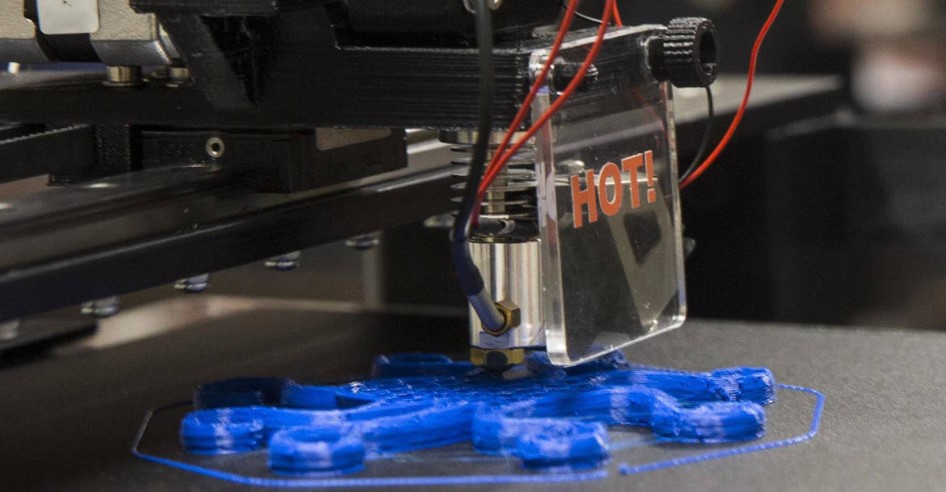
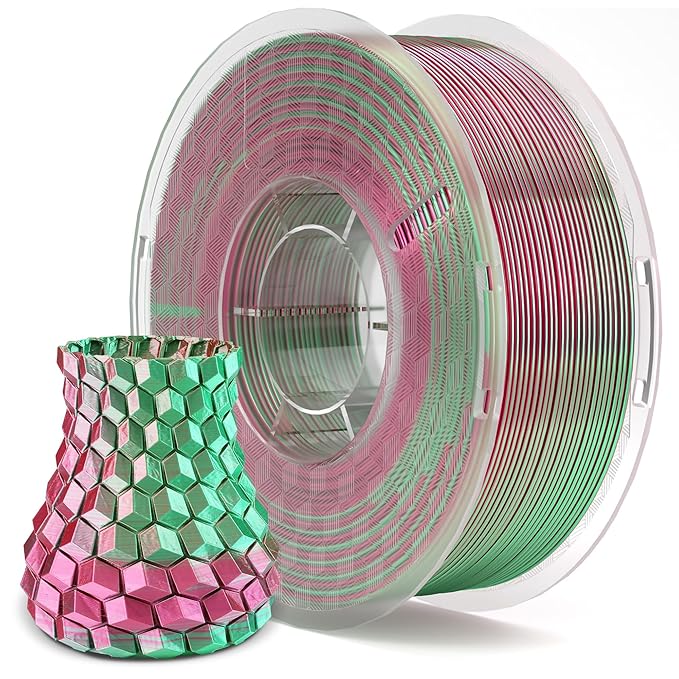
Fused Deposition Modeling (FDM) is one of the most popular and widely used 3D printing technologies available today. Known for its affordability and accessibility, FDM has become the go-to option for hobbyists, educators, and even some industrial applications. However, like any technology, it comes with its set of advantages and disadvantages. In this blog, we will delve into the strengths and weaknesses of FDM 3D printing and compare it to other 3D printing technologies.
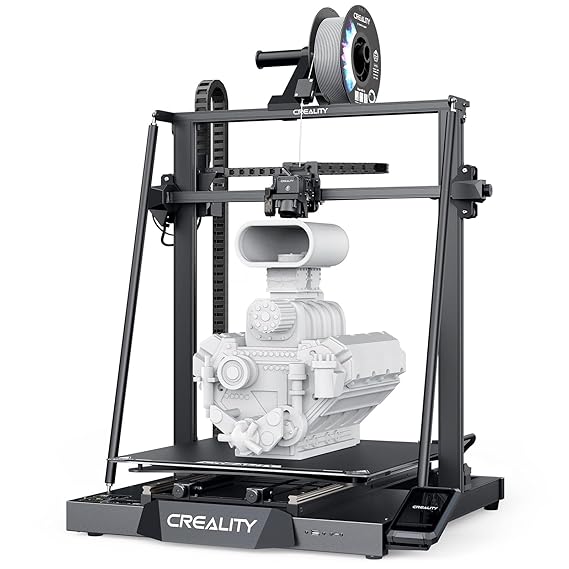
One of the key advantages of FDM 3D printing is its cost-effectiveness. FDM printers are relatively inexpensive compared to other 3D printing technologies such as Stereolithography (SLA) and Selective Laser Sintering (SLS). This affordability makes FDM printers accessible to a wide range of users, from hobbyists to small businesses and educational institutions.
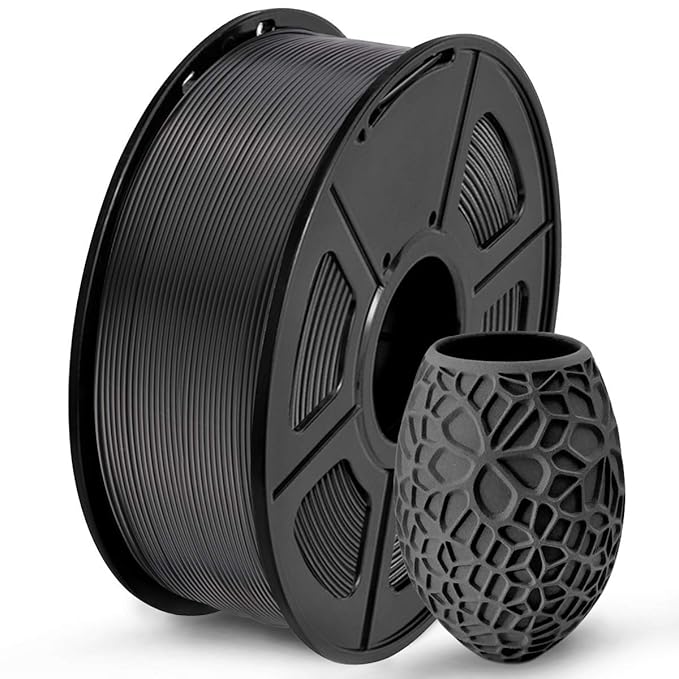
FDM 3D printers can use a variety of thermoplastic filaments, including ABS (Acrylonitrile Butadiene Styrene), PLA (Polylactic Acid), PET (Polyethylene Terephthalate), and Nylon, among others. This versatility allows users to select materials that best suit their specific needs, whether it’s for prototyping, functional parts, or aesthetic models. Compared to SLA, which primarily uses resin, and SLS, which is limited to powdered materials, FDM offers a broader range of materials at a lower cost.
FDM 3D printers are known for their ease of use. The printing process is relatively straightforward, and the software associated with these printers is often user-friendly. This makes FDM a suitable option even for beginners with little or no experience in 3D printing. In contrast, technologies like SLA and SLS require more technical knowledge and maintenance, which can be a barrier for entry-level users.
FDM 3D printing is capable of producing strong and durable objects that are suitable for a wide range of applications. While the mechanical properties of FDM-printed parts may not match those produced by SLS (which uses a laser to fuse powdered material, often resulting in stronger parts), FDM parts are still robust enough for prototyping and even some end-use applications.

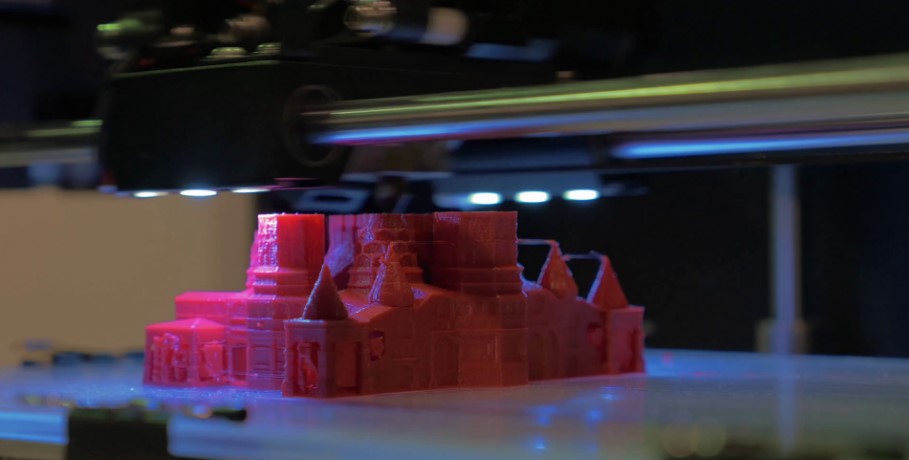
A common issue with FDM 3D printing is the visible layer lines that appear on the surface of printed objects. These lines are a result of the layer-by-layer construction process inherent in FDM printing. While these lines can sometimes be minimized through post-processing techniques like sanding or applying a coating, they often detract from the overall appearance of the object. In contrast, SLA printing can produce much smoother surfaces, making it a better choice for applications where aesthetics are critical.
FDM 3D printers typically have lower precision compared to other 3D printing technologies. The layer resolution is often limited, which makes it challenging to produce highly detailed or intricate objects. For applications requiring fine details, SLA or Digital Light Processing (DLP) technologies are preferred, as they offer much higher resolution and finer details.
Another drawback of FDM 3D printing is its relatively slow print speed, especially for larger or more complex objects. The layer-by-layer approach, combined with the need for support structures for overhangs, can make the printing process time-consuming. This is in contrast to SLS printing, which can produce multiple parts simultaneously without the need for support structures, thereby reducing print time.
When comparing FDM to other 3D printing technologies, it’s clear that each has its own strengths and weaknesses:
FDM 3D printing is a versatile and accessible technology that offers a balance between affordability, ease of use, and material versatility. While it may not match the precision or surface finish of SLA or the strength of SLS, it remains a popular choice for many users, especially those new to 3D printing or working with limited budgets. Understanding the advantages and disadvantages of FDM 3D printing is crucial for making informed decisions about which technology best suits your specific needs.
Distribution software has historically been built to record. Orders, invoices, stock movements, receipts — the systems that run distribution businesses are, at their core, extrem
Predictions about the future of any industry tend to be either too timid or too fanciful. The useful version sits in between: identify what is structurally constrained today, ident
Every distributor knows what needs to happen after a retailer says “I will pay on the fifteenth”. Someone should check on the fifteenth. In practice, in most distributi

Most explanations of AI collection software stay at the level of capability — it calls retailers, it captures commitments, it follows up. That is accurate and not especially usef
Ask a distributor how much money will come in next month and the honest answer is usually an estimate built on experience rather than evidence. The outstanding report shows what is
"Enjoyed this post? Don’t miss out on future updates – subscribe now to stay inspired and informed!"