RIA: Building the Intelligent Operating Layer for Distribution
Distribution software has historically been built to record. Orders, invoices, stock movements, receipts — the systems that run distribution businesses are, at their core, extrem
Women’s Heart Health: Understanding the Unique Risks and Prevention Strategies
Heart disease, often considered a condition that predominantly affects men, is actually the leading cause of death in women as well. Women can develop heart disease at any age, but the risk tends to rise significantly after menopause, generally around the age of 55. While it’s true that heart disease in women usually presents later than in men, it remains just as deadly. Understanding the unique risks women face regarding heart disease and taking preventive steps is crucial for improving women’s health outcomes.
Before menopause, a woman’s body produces more estrogen, a hormone that offers some protection against heart disease by helping maintain healthy blood vessels and cholesterol levels. Estrogen also plays a role in reducing inflammation, which is a key factor in the development of coronary artery disease (CAD), where the arteries supplying blood to the heart become narrowed or blocked.
However, after menopause, estrogen levels drop, and this protective effect diminishes. As a result, women often see a sharp increase in their risk of developing heart disease after menopause, generally around the age of 55. This is one of the reasons why women tend to develop coronary artery disease approximately 10 years later than men, who do not have the same hormonal protection.
While both men and women share common risk factors for heart disease—such as high blood pressure, high cholesterol, diabetes, and smoking—there are several factors unique to women that can increase the risk:
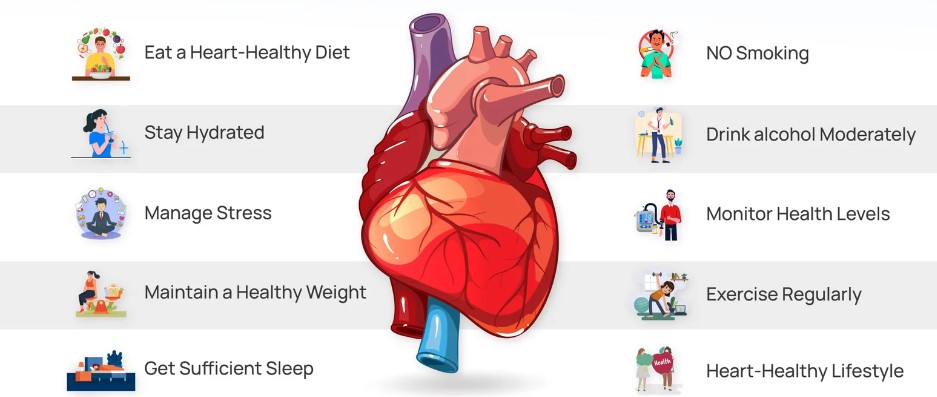
Preventing heart disease in women requires a proactive approach to managing risk factors and adopting heart-healthy habits. Here are key precautions and safety measures every woman should consider:
Heart disease remains the number one killer of women, but it doesn’t have to be. Understanding the unique risks women face, especially as they age and enter menopause, empowers them to take control of their heart health. By adopting heart-healthy habits, staying informed, and getting regular check-ups, women can significantly reduce their risk of heart disease and live longer, healthier lives.
Prevention is key—whether it’s through dietary changes, regular exercise, or managing stress—taking small, consistent steps can make all the difference in maintaining a healthy heart. Don’t wait until it’s too late; prioritize your heart health today.
Distribution software has historically been built to record. Orders, invoices, stock movements, receipts — the systems that run distribution businesses are, at their core, extrem
Predictions about the future of any industry tend to be either too timid or too fanciful. The useful version sits in between: identify what is structurally constrained today, ident
Every distributor knows what needs to happen after a retailer says “I will pay on the fifteenth”. Someone should check on the fifteenth. In practice, in most distributi
Most explanations of AI collection software stay at the level of capability — it calls retailers, it captures commitments, it follows up. That is accurate and not especially usef
Ask a distributor how much money will come in next month and the honest answer is usually an estimate built on experience rather than evidence. The outstanding report shows what is

A distributor with two thousand retail outlets has, in theory, two thousand ongoing commercial relationships. In practice, most of those relationships are dormant between order and
Most distributors evaluating AI telecalling are not starting from zero. They already have a calling function — sometimes a formal team, more often a handful of people who make fo
"Enjoyed this post? Don’t miss out on future updates – subscribe now to stay inspired and informed!"