RIA: Building the Intelligent Operating Layer for Distribution
Distribution software has historically been built to record. Orders, invoices, stock movements, receipts — the systems that run distribution businesses are, at their core, extrem


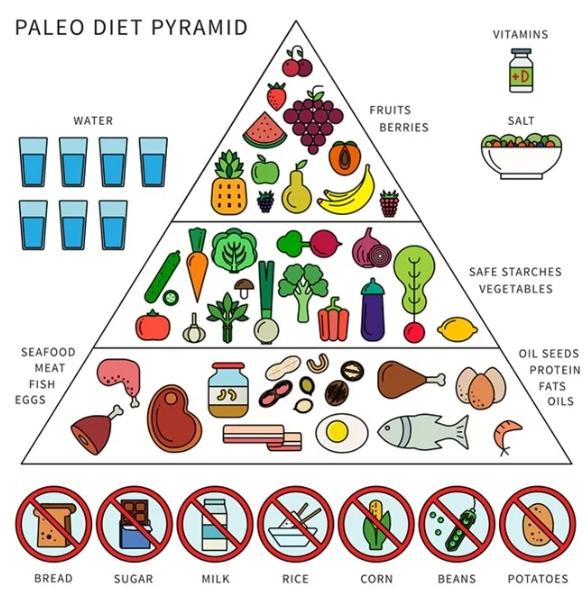
The Paleo diet, also known as the Paleolithic diet, Stone Age diet, hunter-gatherer diet, or cave man diet, is based on the types of foods presumed to have been eaten by early humans during the Paleolithic Era, which lasted from approximately 2.5 million to 10,000 years ago. The modern Paleo diet includes foods that humans could have obtained through hunting and gathering, such as fruits, vegetables, lean meats, fish, eggs, nuts, and seeds. It excludes foods that became common with the advent of agriculture, such as grains, legumes, and dairy products.
The Paleo diet aims to align modern eating habits with the dietary patterns of early humans, under the premise that our genetics are better suited to such a diet. It suggests that the agricultural revolution introduced dietary changes that our bodies have not fully adapted to, potentially contributing to contemporary health issues like obesity, diabetes, and heart disease.
The primary success of the Paleo diet stems from replacing processed foods with whole, nutrient-dense options. By eliminating high-calorie, high-sugar, and high-fat processed foods, the diet aims to promote weight loss, detoxification, and prevention of obesity-related diseases.
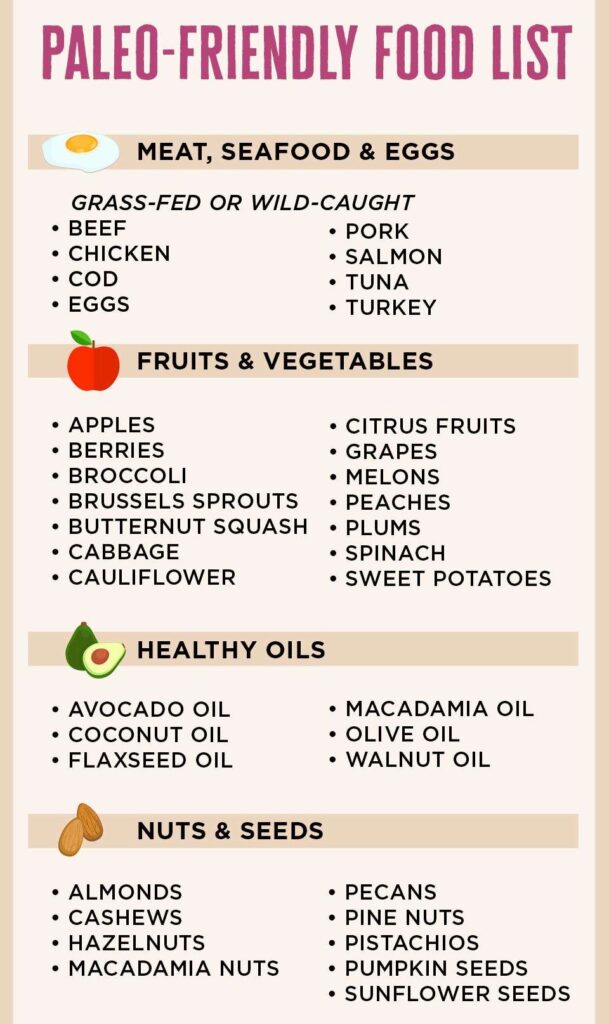
The Paleo diet prioritizes whole, unprocessed foods, typically with a macronutrient distribution of about 35% carbohydrates, 35% fats, and 30% proteins. Allowed foods include:
Paleo-friendly products, such as baking blends, crackers, breads, muffins, and cookies made with coconut and almond flour and natural sweeteners like dates and monk fruit, are also included.
The diet excludes several commonly consumed foods and ingredients, such as:
The Paleo diet can offer several health benefits by emphasizing whole foods and reducing processed food intake:
Despite its benefits, the Paleo diet has some drawbacks:

Maintaining a Paleo lifestyle can be manageable with proper planning, such as preparing quick recipes and making informed choices when dining out. Examples of quick Paleo meals include:

A well-stocked pantry is crucial for adhering to the Paleo diet. Essential items include:
Choosing organic produce and products from companies with sustainable practices supports a healthy and environmentally friendly Paleo lifestyle.
Distribution software has historically been built to record. Orders, invoices, stock movements, receipts — the systems that run distribution businesses are, at their core, extrem
Predictions about the future of any industry tend to be either too timid or too fanciful. The useful version sits in between: identify what is structurally constrained today, ident
Every distributor knows what needs to happen after a retailer says “I will pay on the fifteenth”. Someone should check on the fifteenth. In practice, in most distributi
Most explanations of AI collection software stay at the level of capability — it calls retailers, it captures commitments, it follows up. That is accurate and not especially usef
Ask a distributor how much money will come in next month and the honest answer is usually an estimate built on experience rather than evidence. The outstanding report shows what is
A distributor with two thousand retail outlets has, in theory, two thousand ongoing commercial relationships. In practice, most of those relationships are dormant between order and
Most distributors evaluating AI telecalling are not starting from zero. They already have a calling function — sometimes a formal team, more often a handful of people who make fo

"Enjoyed this post? Don’t miss out on future updates – subscribe now to stay inspired and informed!"