The Retailer’s Growth Partner: Why Choosing the Right Distributor Matters
Ask any successful two-wheeler spare-parts shop owner what really made their business grow. Most people expect the answer to be “a good location” or “lots of customers.” Th











Ask any successful two-wheeler spare-parts shop owner what really made their business grow. Most people expect the answer to be “a good location” or “lots of customers.” Th
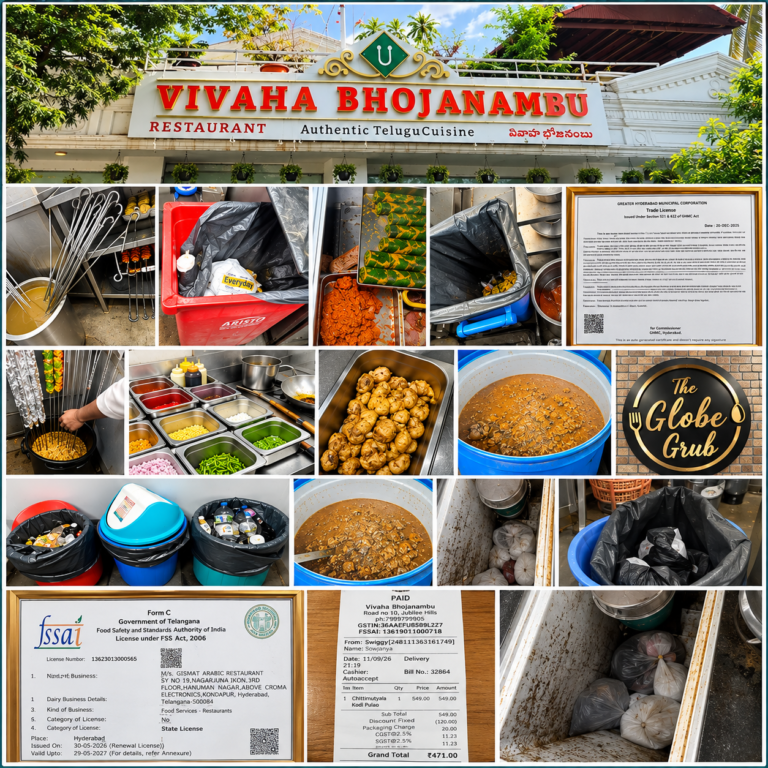
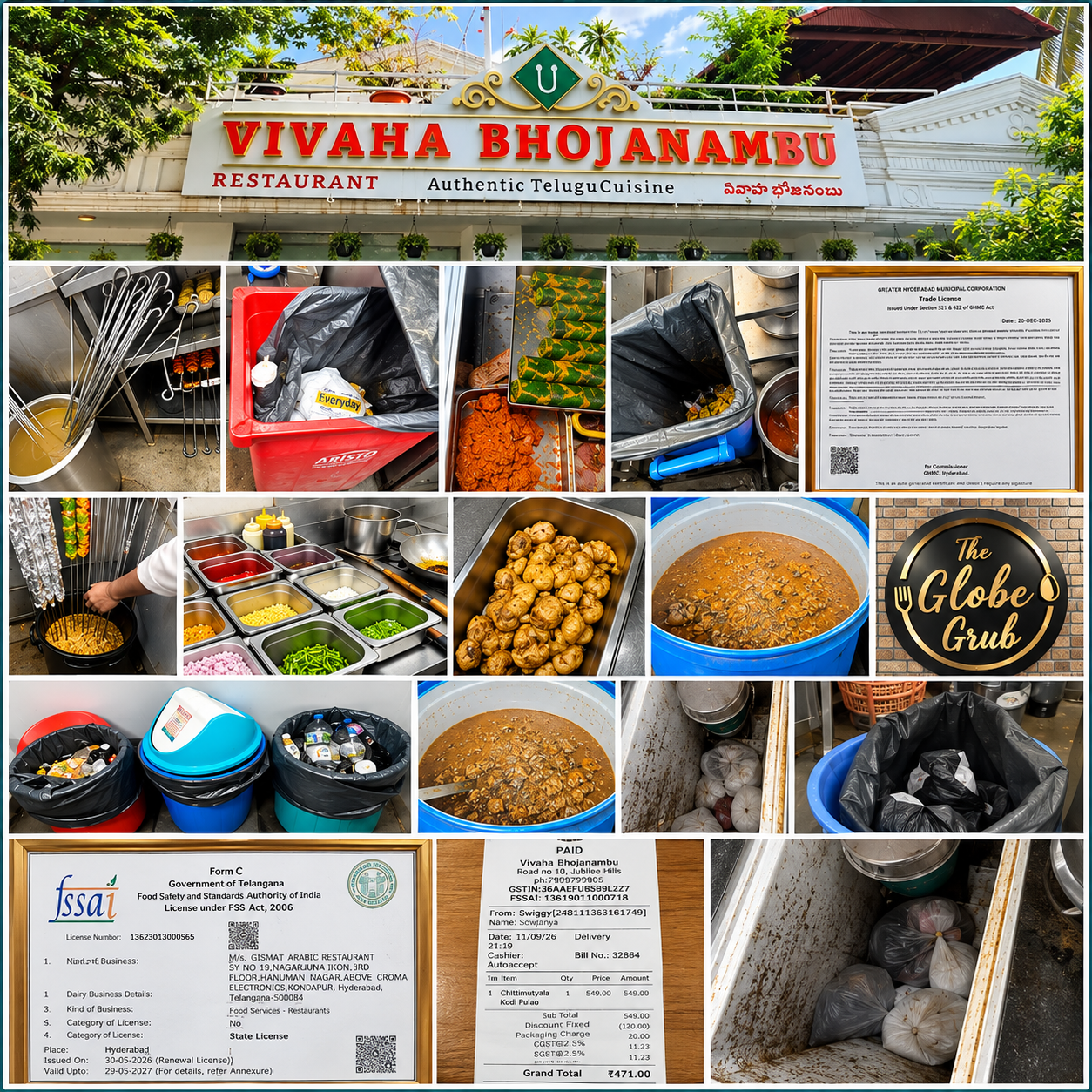
Hyderabad, September 13, 2026:The National Consumer Rights Commission (NCRC), Telangana, conducted a two-day voluntary Consumer Food Safety & Hygiene Inspection Initiative acro
Distribution software has historically been built to record. Orders, invoices, stock movements, receipts — the systems that run distribution businesses are, at their core, extrem
Predictions about the future of any industry tend to be either too timid or too fanciful. The useful version sits in between: identify what is structurally constrained today, ident
Every distributor knows what needs to happen after a retailer says “I will pay on the fifteenth”. Someone should check on the fifteenth. In practice, in most distributi
Most explanations of AI collection software stay at the level of capability — it calls retailers, it captures commitments, it follows up. That is accurate and not especially usef
Ask a distributor how much money will come in next month and the honest answer is usually an estimate built on experience rather than evidence. The outstanding report shows what is
A distributor with two thousand retail outlets has, in theory, two thousand ongoing commercial relationships. In practice, most of those relationships are dormant between order and
Most distributors evaluating AI telecalling are not starting from zero. They already have a calling function — sometimes a formal team, more often a handful of people who make fo