Bathukamma Festival: Celebrating Life, Nature, and Culture in Telangana
Bathukamma is a vibrant and colorful floral festival celebrated predominantly in Telangana and parts of Andhra Pradesh. This unique festival is a symbol of the rich cultural identity of Telangana and has deep roots in tradition, nature, and devotion. Spanning nine days, Bathukamma is an annual festival that typically takes place in September or October, following the Sathavahana calendar. It celebrates the connection between water, earth, and humanity, showcasing the natural beauty of the region through flowers and the spirit of unity among women.
History and Significance of Bathukamma
Historically, Bathukamma was known as the “festival of life.” It is believed that this festival originated as a way of thanking the goddess Parvati for her blessings during the harvest and for the prosperity of the people. The word “Bathukamma” itself means “Mother Goddess, come alive,” reflecting the festival’s connection to the goddess and the celebration of life and nature.
The festival also has historical roots in agrarian traditions. It takes place after the monsoon season, which revitalizes the land, leading to a rich harvest. The festival serves as a way to express gratitude for the abundance of crops and to seek blessings for the coming agricultural year.
History behind Bathukamma
King Dharmangada of the Chola dynasty was blessed with a baby girl after many years of prayers and penance and was named Lakshmi. The baby survived many mishaps during her lifetime, and thereafter her parents’ named her Bathukamma ( Bathu means life and Amma means woman).
Mythology Behind Bathukamma
Several mythological stories are associated with Bathukamma. One popular legend is linked to Goddess Parvati. It is said that Parvati, as Bathukamma, came to life to bless the people and ensure their well-being. According to another legend, Bathukamma represents Goddess Sati, the first wife of Lord Shiva, who immolated herself in protest of the disrespect shown to her husband by her father. As a way of honoring her sacrifice and the power of life she represents, women celebrate Bathukamma by creating floral arrangements and offering prayers to the goddess.
The festival also marks the worship of water, as it is believed that the goddess resides in rivers and lakes. Women honor this connection by immersing Bathukamma, the floral arrangement, into water bodies.
Rituals and Celebrations
Bathukamma is celebrated with great enthusiasm and devotion, especially by women. The festival is known for its vibrant rituals, most of which involve the use of flowers native to the Telangana region.
The Main Rituals:
- Creating the Bathukamma
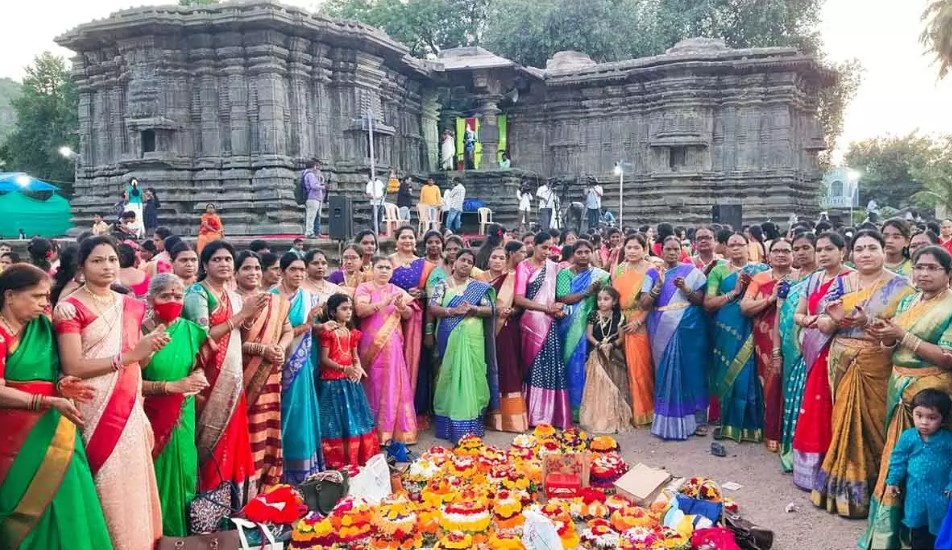
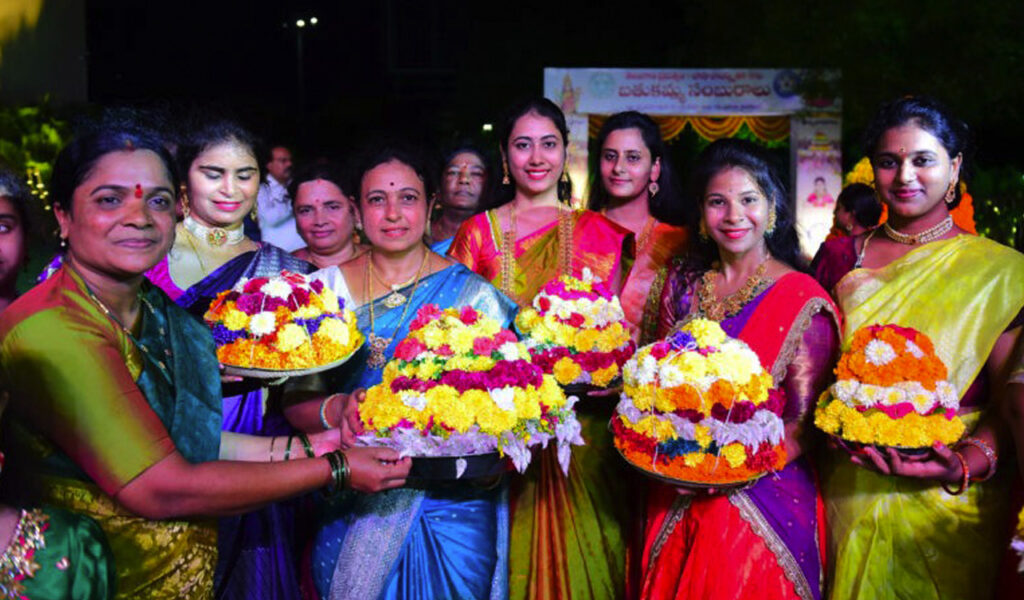
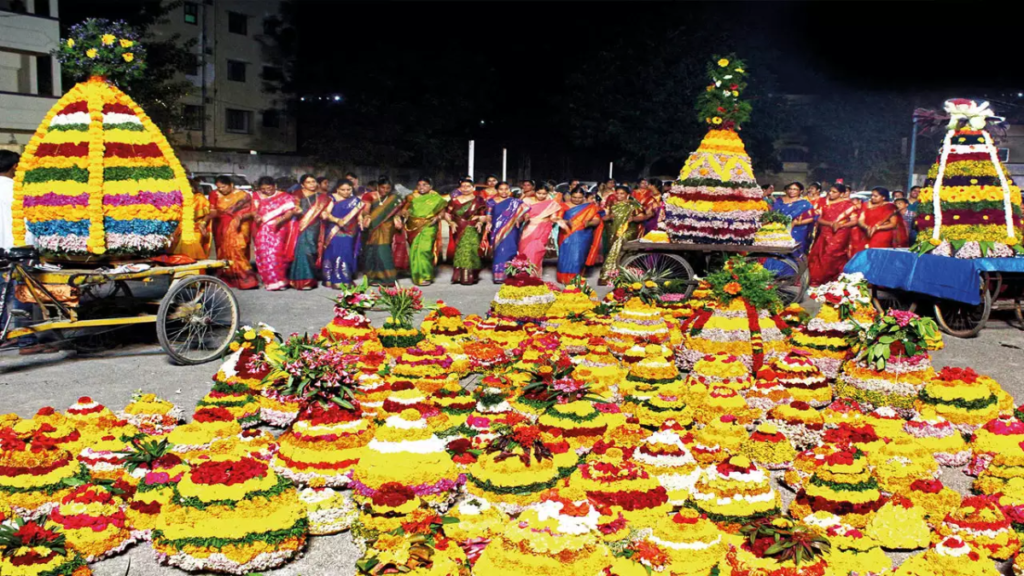
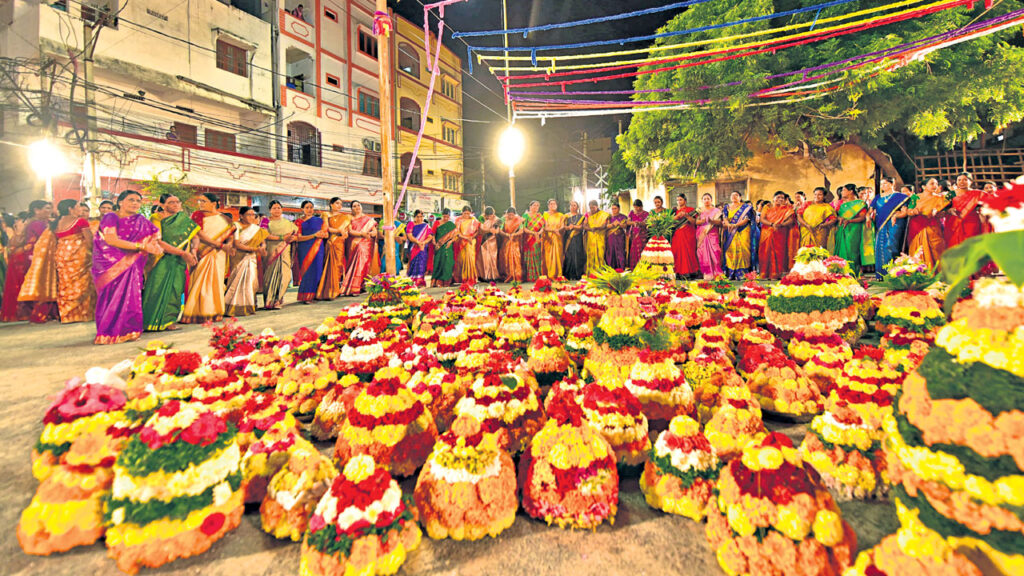
The centerpiece of the festival is the “Bathukamma,” which is an arrangement of colorful flowers stacked in the shape of a cone. Women gather various flowers that bloom during this season, such as marigold, chrysanthemums, hibiscus, and lotus. These flowers are placed on a wide plate and arranged in concentric layers, forming a temple-like structure. The Bathukamma is then placed on a leaf or “Vistharaku,” and tied together with thread to keep it intact. - Traditional Attire and Gathering
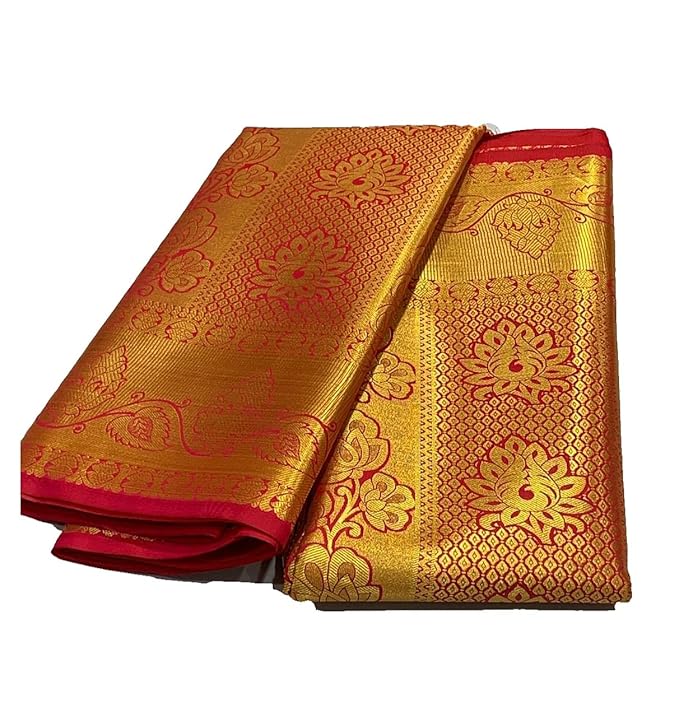
Women dress in traditional attire, often wearing saris or half-saris adorned with jewels. They gather in groups in the evenings, singing folk songs that praise Goddess Parvati and celebrate the beauty of nature. The women form a circle around the Bathukamma and dance in unison, moving gracefully while clapping their hands to the rhythm of the songs. - Culinary Traditions
Food is an important part of the Bathukamma celebration. Women prepare special dishes, including offerings like “Sakinalu” (crispy snacks made from rice flour) and rice flour shaped like neem tree fruits and deep-fried. These are offered to the goddess before being shared with family and friends. - Immersion of Bathukamma
The festival culminates with the immersion of the Bathukamma in a body of water, such as a lake or river. On the final day, women carry the Bathukamma to the water’s edge, give it a traditional farewell, and gently place it in the water. This ritual signifies a return to nature, as the flowers are biodegradable and blend with the environment, symbolizing the cycle of life and the connection between humans and the earth. - The Boddemma Festival
Following Bathukamma, the Boddemma festival is celebrated for seven days. Boddemma marks the beginning of the agricultural season, bringing the focus back to harvest and prosperity.