Sun Protection Tips for Healthy Skin: How to Incorporate SPF and Safeguard Your Skin Every Day
Protecting your skin from the sun’s harmful ultraviolet (UV) rays is essential for maintaining healthy skin and preventing long-term damage such as premature aging, sunburns, and skin cancer. Whether you’re enjoying a sunny day at the beach, going for a walk, or simply running errands, incorporating sun protection into your daily routine is crucial. With just a few simple steps, you can shield your skin from harmful rays and ensure it remains healthy and radiant.
This blog will cover some essential sun protection tips, the importance of using sunscreen with a suitable Sun Protection Factor (SPF), and how to easily incorporate sun care into your everyday life.
Why Sun Protection is Important
The sun’s UV radiation is a major contributor to skin damage, including sunburn, premature aging, and skin cancer. While sunlight is important for vitamin D production, unprotected exposure to UV rays can lead to DNA damage in skin cells, which increases the risk of skin cancer, including melanoma, the deadliest form.
Taking proactive steps to protect your skin from sun exposure helps prevent these harmful effects, promoting healthier skin in the long term.
Sun Protection Tips for Healthy Skin
Here are some practical tips to help you protect your skin from harmful sun exposure:
1. Use Sunscreen Regularly
Sunscreen is one of the most effective ways to protect your skin from UV damage. Here’s how to use it effectively:
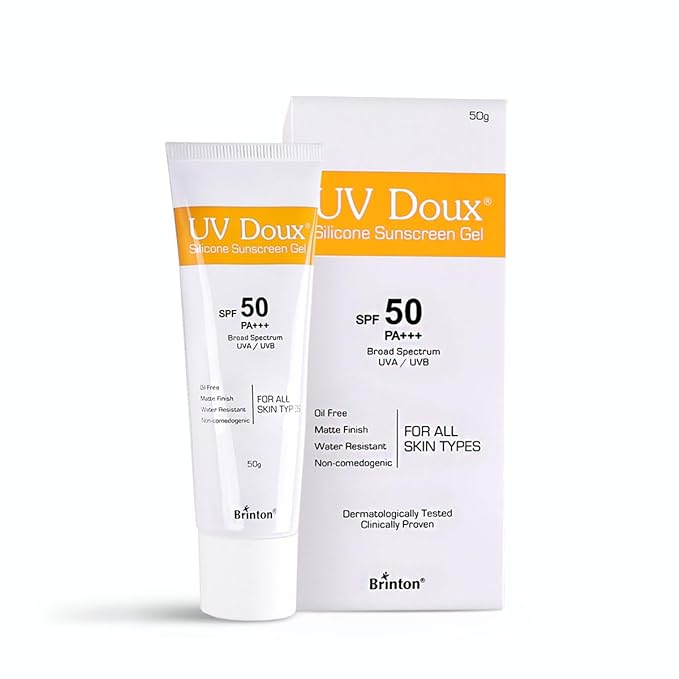
- SPF Matters: Choose a sunscreen with a Sun Protection Factor (SPF) of at least 15. If you’ll be outdoors for extended periods or exposed to intense sunlight, use a sunscreen with SPF 30 or higher for extra protection.
- Broad-Spectrum Protection: Make sure your sunscreen provides broad-spectrum protection, meaning it shields against both UVA and UVB rays. UVA rays penetrate deeper into the skin, contributing to aging, while UVB rays are the main cause of sunburn.
- Apply Correctly: Apply sunscreen to all exposed skin 15 minutes before going outside, giving it time to absorb and create a protective barrier. Don’t forget commonly missed areas like your ears, neck, the tops of your feet, and your scalp.
- Reapply Frequently: Sunscreen isn’t a one-time application. Reapply every two hours, or more often if you’re swimming or sweating. Even water-resistant sunscreens can wear off, so it’s important to reapply to ensure continuous protection.
Sunscreens with titanium dioxide or zinc oxide are ideal, especially for sensitive skin, as these mineral-based ingredients provide physical UV protection without irritating the skin.
2. Wear Protective Clothing
Covering your skin with the right clothing adds another layer of protection from harmful UV rays. Here are some tips for choosing protective clothing:
- Long-Sleeved Shirts and Pants: Opt for long-sleeved shirts and long pants made from tightly woven fabrics. Loose-fitting clothing in darker colors offers the best protection as they absorb more UV radiation.
- UPF-Rated Clothing: Clothing with an Ultraviolet Protection Factor (UPF) rating is specially designed to block UV rays. UPF 50+ offers excellent protection, while UPF 30-49 provides very good protection.
- Wide-Brimmed Hats: A wide-brimmed hat shields your face, neck, and ears from the sun. Choose a hat made from tightly woven fabric for maximum sun protection.
3. Seek Shade
While enjoying outdoor activities, it’s essential to seek shade, especially during peak sunlight hours between 10 AM and 4 PM when UV rays are the strongest.
- Plan Outdoor Activities: Try to schedule outdoor activities in the early morning or late afternoon when the sun is less intense.
- Use Umbrellas or Canopies: If you’re at the beach or in a park, sit under an umbrella or shaded canopy to reduce direct exposure to sunlight.
4. Wear Sunglasses
Sunglasses are an often overlooked but crucial part of sun protection. Not only do they protect your eyes from UV damage, but they also shield the delicate skin around your eyes from sun exposure, which is prone to aging.
- Choose UV-Blocking Lenses: Look for sunglasses that block 100% of both UVA and UVB rays.
- Wraparound Styles: Wraparound sunglasses provide the best coverage as they protect your eyes from all angles.
5. Check the UV Index
The UV Index measures the intensity of UV radiation and can help you plan your day to avoid excessive sun exposure. It’s advisable to check the UV Index forecast before stepping outside. A high UV Index indicates that stronger protection is needed to reduce the risk of skin damage.
- Low UV Index (0-2): Minimal sun protection is required.
- Moderate to High UV Index (3-7): Take extra precautions by wearing sunscreen, protective clothing, and seeking shade.
- Very High to Extreme UV Index (8-11+): Avoid going outside during peak hours, and take all possible protective measures.
6. Avoid Reflective Surfaces
Certain surfaces like water, snow, and sand reflect the sun’s rays, increasing the risk of sunburn. Be cautious when spending time near these surfaces, and ensure you’re adequately protected with sunscreen and clothing.
7. Don’t Rely on the Sun for Vitamin D
While the sun is a natural source of vitamin D, you don’t need to sunbathe to get enough of it. You can obtain vitamin D through dietary sources such as eggs, milk, and fatty fish like salmon. You can also consider vitamin D supplements, but consult with your doctor before taking them to determine the right dosage for your needs.
The Importance of SPF
SPF is a crucial component of sun protection, and choosing the right SPF level can significantly impact the safety of your skin. Here’s why SPF is essential:
- Protection Against UVB Rays: SPF measures how well sunscreen protects against UVB rays, which are the primary cause of sunburn. A higher SPF offers more protection.
- Reducing Skin Cancer Risk: Sunscreen with the right SPF not only prevents sunburn but also reduces your risk of developing skin cancer by shielding skin cells from UV damage.
- Preventing Premature Aging: Sunscreen with SPF also prevents photoaging—wrinkles, fine lines, and sunspots—by blocking UVA rays that penetrate deeper into the skin.
SPF Levels Explained:
- SPF 15: Blocks about 93% of UVB rays and is suitable for everyday use.
- SPF 30: Blocks about 97% of UVB rays, recommended for extended outdoor activities.
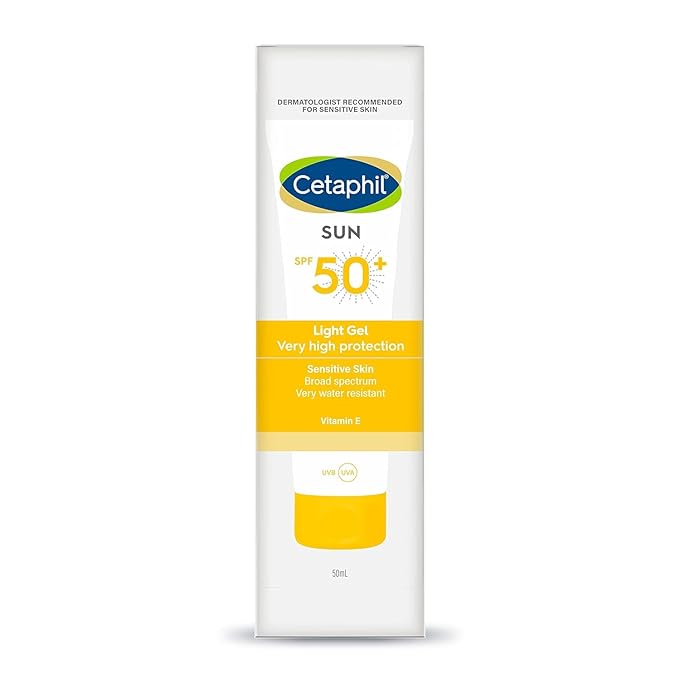
- SPF 50+: Provides maximum protection, blocking about 98% of UVB rays, ideal for intense sun exposure.